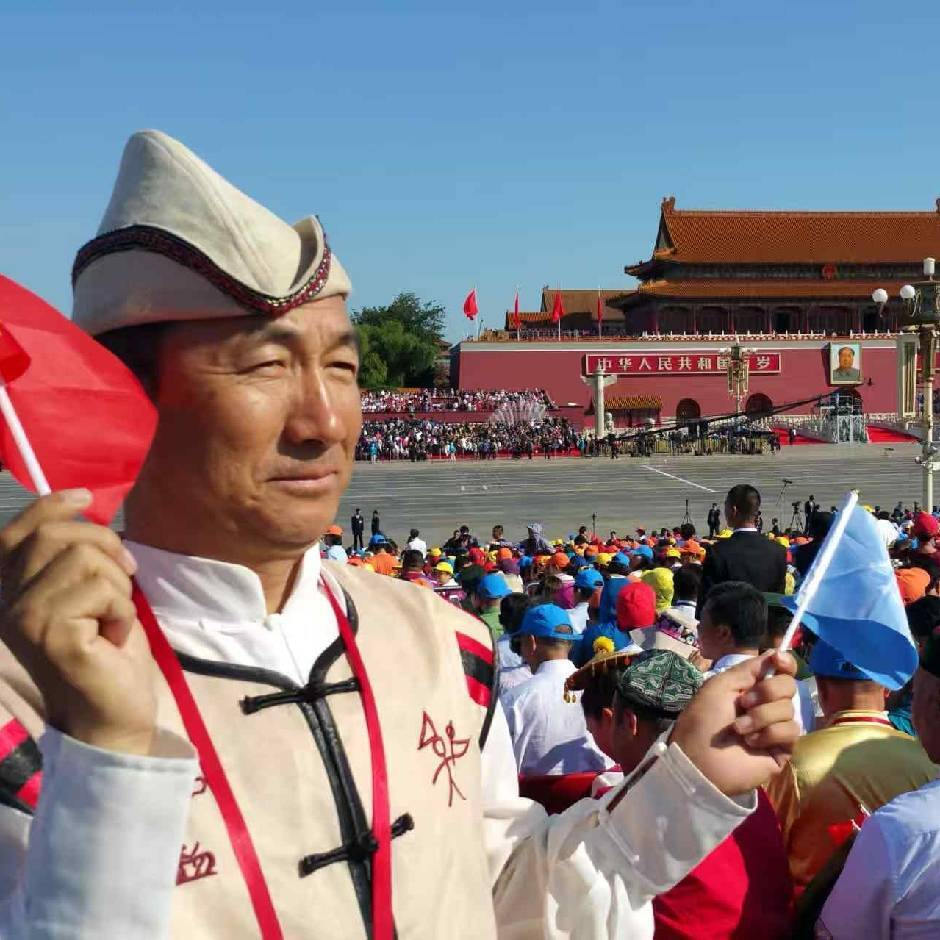

Yushui Village Dongba Culture: A Guide for International Travelers
2026-07-20
Nestled in the foothills of the Jade Dragon Snow Mountain, Jade Water Village holds the living soul of the Dongba culture—a world where ancient Naxi shamans still whisper to the wind and pictographs dance on paper. This guide invites you past the tourist trails into heart-stirring rituals, timeless legends, and the quiet magic of a fading tradition waiting to be discovered. Are you ready to step into a story?
The Last Whisperers: Meet the Dongba Custodians of Yushui
Tucked away in the quiet folds of Yunnan’s Jade Dragon Snow Mountain, the village of Yushui clings to a fading voice. Here, a handful of old men still chant the rhythmic verses of the Dongba, an ancient priesthood that once guided the Naxi people through birth, death, and every storm in between. They are the last whisperers of a script that looks more like forest sketches than language—pictographs scratched onto mulberry paper, each stroke a shard of a worldview that sees spirits in the wind and rivers as living memory. In Yushui, you don’t just learn Dongba culture; you sit on worn wooden stools, sip bitter tea, and watch as gnarled hands trace symbols that most of the world has forgotten how to read.
The Dongba are not simply priests; they are living libraries. One custodian might spend an afternoon explaining why a single character for ‘home’ must include a roof, a pig, and a woman’s shape—because warmth, livestock, and a hearth-tender have always meant survival in these high valleys. The younger generation often drifts toward the city’s glow, leaving only a dozen or so families who still pass down the sacred texts. But in Yushui, a stubborn hope persists. The custodians have begun welcoming curious outsiders, not with polished museum displays, but with muddy boots, early mornings, and the raw, unglamorous work of copying ancient chants onto fresh paper. It’s a race against silence—and sometimes, in the lull between lessons, you can hear the old men muttering a prayer for rain, as if testing whether the sky still remembers their language.
What sets these whisperers apart is the unforced intimacy of their transmission. There’s no stage, no grand ceremony for tourists—just a fire pit, a worn copy of the Bpo mdo (the Dongba genesis book), and the kind of patience that only comes from knowing you might be the last link in a chain that spans a thousand years. A trained ear might catch the subtle shifts in tone as a custodian recites a healing rite: the words aren’t mere sounds, they’re believed to rearrange the energetic fabric of a person’s body. Science may call it folklore, but walk through the stone-paved lanes of Yushui after dusk, past the flickering butter lamps, and it’s hard not to feel that something older than reason is still gently breathing there.
Picturing the Soul: A Dance of Symbols in Dongba Script
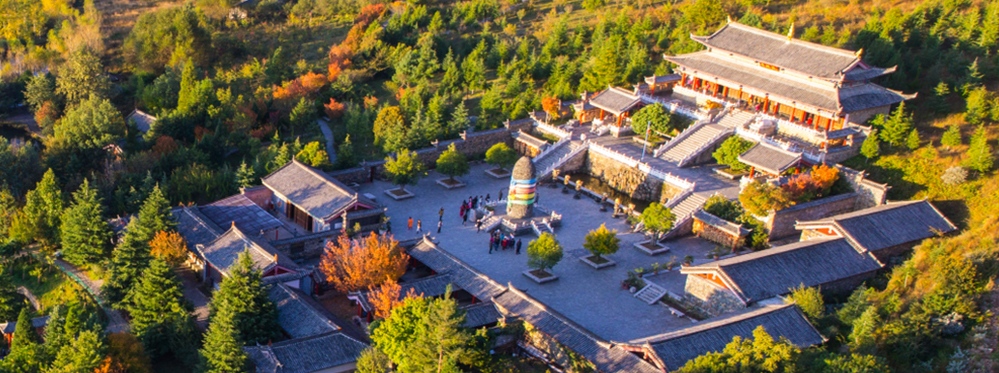
The Dongba script, used by the Naxi people of southwest China, is often called the last living pictographic writing system. More than just a tool for recording rituals and stories, each character seems to pulse with a quiet, spiritual energy. When a Dongba priest dips his bamboo pen and draws the symbol for ‘soul’, it is not a static sign but a tiny performance—a figure emerging from the ink, half-human, half-breath, suspended on the paper like a dancer caught mid-motion. The script's charm lies in this ambiguity: a single glyph can mean a thing, an action, or a feeling, leaving room for the reader’s own spirit to complete the meaning.
Watching a skilled calligrapher write in Dongba is like observing a ritual dance. The hand moves with deliberate, almost meditative slowness, each stroke a step. The symbol for ‘cloud’ curls like smoke; the symbol for ‘mountain’ rises in three patient peaks. But it’s the depiction of intangible things—souls, ghosts, desires—that truly showcases the script’s kinetic beauty. A spirit might be drawn with wavy lines suggesting flight, or with tiny feet that seem to tiptoe across the page. These aren’t mere pictures; they are choreographies of the unseen, inviting the viewer to follow the movement and, perhaps, glimpse something that resists being looked at directly.
In modern times, when keyboards and screens threaten to flatten human expression into uniform fonts, the Dongba script stands as a quiet rebellion. It reminds us that writing was once a sacred act of picturing the soul on paper. To write ‘hope’ is to draw a seed beneath the sun; to write ‘memory’ is to trace a path walking backward. Each text becomes a stage where symbols dance together, and the reader becomes both audience and participant—breathing life into the ink with every glance. In this dance of symbols, language returns to its roots: not as a dead record, but as a living gesture of the soul reaching out to be seen.
Beyond the Stone Gate: Animist Rites Where Mountains Breathe
To step through the cleft in the limestone is to leave the logic of flat maps behind. Here, the rockface sweats and the air carries a heavy, green pulse. The local guides refuse to speak above a whisper, convinced the mountain can hear. They move with the caution of guests in a vast, breathing house. What outsiders call animism is simply a way of describing the obvious: the stone is not inert. It trembles underfoot; it warms to the touch long after sunset. The mountain exhales a cold, iron-scented wind from invisible fissures, and no one doubts that it is alive.
Each turning of the season calls for a rite where body and terrain blur. Elders grind ochre and ash into pigment, painting spiral paths down their own arms to mirror the water-worn grooves in the canyon walls. A line of bare feet stamps out a rhythm that is not performance but dialogue—heel and toe answering the deep thrum that rises from underground streams. When a dancer’s head rolls back and the eyes go white, the crowd does not call it trance. They say the mountain has borrowed a voice, has moved into the hollow of a human frame to speak in a language older than words. Smoke from smoldering juniper branches coils up the cliffs like a slow exhale.
Beyond the gate, the boundary between worshipper and worshipped dissolves. Children are taught early to place a hand on granite and wait for the faint vibration, a sign the spirits are near. What remains in this hidden valley is not folklore preserved under glass but a daily negotiation with a terrain that demands to be felt. The mountain does not care about belief; it cares about attention. And those who pass through the stone arch learn to listen with their bones, to walk as if every step were a question and every tremor an answer.
Threads of the Cosmos: Sacred Attire and Ritual Regalia
In the hush of ancient temples, robes woven with celestial maps weren’t merely garments—they were a second skin aligning the wearer with the rhythm of stars. Each thread sang a quiet hymn, spinning constellations into silk and dyeing flax with the blush of dawn. To don such attire was to step into a living cosmology, where sleeves swept the edges of earthly time and hems kissed the unseen thresholds where gods were said to walk.
Ritual regalia often carried the weight of whispered secrets: beads carved from meteorite iron, feathers of migratory birds, patterns coded with the numerologies of one’s tribe. A dancer’s mask might hide nothing but reveal everything—the hollow gaze of an ancestor, the snarling mercy of a storm god. These pieces weren’t meant for display; they were vessels activated by movement, breath, and the heat of life pressed close against their sacred geometries.
What survives now in museums sleeps under glass, but once it pulsed. A shaman’s coat still holds fumes of distant fires, its embroidery mapping soul-journeys through underworlds and zeniths. To understand these threads is to sense that the cosmos itself is a garment—woven by dark matter, stitched with light, and occasionally worn by those who dare to dance between the seams.
Echoes at Dawn: A Day Inside a Dongba Homestead
Long before the sun scales the Jade Dragon Snow Mountain, the homestead stirs. The first light, pale as a ghost, slips through the slatted windows of the wooden house. I lie still, feeling the rough hemp of the quilt against my skin, listening. There’s no hum of electricity, no digital chirp—only the slow, deliberate creak of a leather hinge and the shuffle of felt boots on tamped earth. Outside, the Dongba priest, my host, is already up. He moves with the gravity of ritual, his every gesture a thread in a tapestry that predates memory. The air smells of pine smoke and the faint, metallic tang of the night’s rain evaporating from the flagstones.
I follow him to the courtyard where a fire licks the belly of a blackened pot. Breakfast is a wedge of baba bread, torn and dipped into a bowl of butter tea. We eat in silence, but it’s a silence full of language—the *clink* of his prayer beads, the guttural murmur of a mantra that vibrates through the planks beneath us. Afterward, he puts on a faded red vest and a hat that looks like a crow settling into a nest. He picks up his cymbal and a drum the size of a shield. At this hour, the village is still sleeping, but the Dongba begins his chants. His voice rises and falls like the contours of the land, a map of sound that calls the spirits of the mountains, the wind, the river. I’m just a guest, but for a moment, the boundary between witness and participant thins.
By the time the first rooster crows—a belated, theatrical announcement—the ritual is ending. The sun burns through the mist, and the homestead emerges in full color: the frescoes on the eaves, the pictographic scriptures peeking from a chest, the pyramid of drying turnips. A younger man, the priest’s grandson, appears with a smartphone and a thermos of green tea. The old man smiles, half-resigned, half-amused, and switches from ancient syllables to modern Lijiang dialect. The echo of the dawn fades, but it leaves a residue, like the taste of salt on the lips. In the Dongba household, the day begins not with noise but with resonance—a hum that carries the weight of centuries, yet still makes room for a stranger’s curiosity.
Your Footsteps, Their Legacy: Immersive Encounters Without the Crowds
Walking where few have trod doesn't just grant you solitude—it imbues every encounter with a deeper sense of stewardship. In these hushed corners, you become part of a living narrative, tracing routes that honor natural rhythms and cultural heritage without the distraction of jostling crowds. The legacy you leave is measured not in footprints, but in conscious choices: supporting local guides who safeguard ancestral knowledge, choosing paths that bypass fragile ecosystems, or lending a hand to conservation projects tucked away from tourist brochures.
Imagine stepping into a centuries-old temple at dawn, its incense mingling with silence, or kayaking through a mangrove forest where only the flutter of wings breaks the stillness. Without the hum of chatter and selfie sticks, you absorb details that rush usually obscures—the intricate carvings worn smooth by devotion, the way light filters through leaves onto undisturbed water. These moments forge a personal pact with the place, transforming a fleeting visit into a respectful exchange. You're no longer just an observer; you become a guardian of its stories, entrusted with memories that feel both intimate and eternal.
Seeking out these uncrowded encounters rewires how we travel. It shifts the focus from collecting landmarks to cultivating relationships—with the land, its keepers, and our own sense of place. By deliberately veering away from well-trodden circuits, we not only preserve the integrity of delicate destinations but also reclaim the very essence of discovery: that quiet thrill of finding a patch of earth where our presence feels less like an intrusion and more like a quiet promise to protect what we've been privileged to witness.
FAQ
Dongba isn't a museum piece—it's a breathing, evolving spiritual framework that intertwines animism, shamanism, and a pictographic script still known to a handful of priests. Yushui Village, cradled by Jade Dragon Snow Mountain, retains an unbroken lineage of Dongba practitioners who still chant, divine, and heal. Unlike staged performances elsewhere, here you witness rites unfolding because the community genuinely needs rain or blessings, not because a tour schedule demands it.
Forget passive observation. Wake before dawn to join a Dongba shaman gathering dew for sacred inks. Head to a courtyard where an elderly priest will let you grind charcoal and pine soot, then guide your hand as you paint 'sun' and 'mountain' on bark paper. If you're up for it, ask a family if you can help pound glutinous rice for the next ritual offering—hospitality here often turns a traveler into a temporary villager.
Absolutely, and teachers delight in sharing it. Dongba script isn't secret; it's mnemonic. You'll be shown how a squiggly line becomes a dragon, how a circle with a tail means 'woman.' The real gift: they'll teach you to compose a simple blessing for your own journey. Take home a script-painted river stone—it’ll mean more than any factory-made souvenir.
Ceremonies like the 'Sacrifice to the Wind' or healing dances aren't performances, so access depends on timing and a nod from the shaman. If you're invited, dress in subdued colors, speak little, and follow elders' cues. A small offering of tea or unopened alcohol, given before the rite, is a tender way to say 'I honor this.' Photos during trance states are a hard no.
You'll encounter roasted barley flour mixed with butter tea, pancakes made from bitter buckwheat, and Jidi (chicken stewed with ginger and medicinal roots). If a shaman offers you 'soul-calling' eggs dyed with wild herbs, eat them slowly—it's a protective gesture. Decline politely only if you have strict dietary limits; refusing outright can bruise the warmth that feeds these gatherings.
The Torch Festival in late July turns the village into a firelit labyrinth of chants and leaping dancers. Spring's Sanduo Festival honors the Naxi mountain god with all-day rituals and horse races. Come during the lunar tenth month, though, and you might catch a rare 'Sacrifice to Heaven' with only a dozen outsiders ever present. Ask guesthouses to whisper festival dates—they're set by shamans reading moon and leaf, not printed calendars.
A firm handshake feels foreign here; a slight bow with palms together shows you understand. Bring a solid block of puer tea, never money, if you seek knowledge. When inside a shaman's home, step over the threshold rather than on it. If they offer you a seat by the fire pit, accept even if you're not cold—that's the place of honor, and stories only spill out once the embers are stirred.
Conclusion
In the folds of Jade Dragon Snow Mountain, Yushui Village breathes with a rhythm older than memory. Here, the last Dongba custodians—shamans, scribes, keepers of an unwritten code—move through their days as living links to a spirit-filled world. They are the whisperers of a tradition that has no formal clergy, only men and women chosen by signs to mediate between earth and sky. To watch them etch the Dongba script is to see language born again: each pictogram a dance of meaning, where a single stroke holds a story of migration, a prayer for rain, or the path of a soul. Beyond the stone gate that marks the threshold of the village, animist rites still awaken the mountains; rituals here do not merely ask for blessings—they invite the land itself to breathe, to listen, to answer. This is not theatre for tourists but a threadbare, urgent continuity, woven into every stone and breeze.
A day inside a Dongba homestead begins before dawn, with the echo of chanted sutras stirring the silence, and unfolds through the scent of pine-needle smoke and the rustle of handmade hemp garments that carry the cosmos in their stitching. The sacred attire—crowns, sashes, knee-length coats dyed in indigo and blood—is not costume but cosmology worn on the body. To be invited in is to witness a rhythm that rarely accommodates outsiders, yet a new kind of journey is taking shape here: immersive encounters that sidestep the crowds, placing you at the kitchen table, behind the loom, or beside the altar without an audience. Your footsteps, if guided by respect, become part of a fragile legacy. You leave not with a performance captured on a screen, but with the hum of an ancient world still thrumming in your bones—a reminder that some heritages can only be kept alive by being shared.
Contact Us
Contact Person: Changhong He
Email: [email protected]
Tel/WhatsApp: 086-0888-5190152
Website: https://vip.e-baixing.com/ysh