

Wholesale 5G Core Network: Empowering Next-Gen Connectivity for Mobile Operators
2026-05-25
The mobile landscape is rapidly evolving, and operators who fail to adapt risk being left behind. Wholesale 5G core networks are emerging as the silent powerhouse, enabling next-gen connectivity without the burden of building everything from scratch. IPLOOK is at the forefront of this revolution, offering a smarter path to 5G—one that's agile, scalable, and ready for whatever comes next.
Reinventing Mobile Core Infrastructure for the 5G Era
The shift to 5G isn't just about faster speeds—it's demanding a fundamental rethink of mobile core architecture. Traditional centralized cores are buckling under the need for ultra-low latency and massive device density. By dispersing packet processing and session management closer to the network edge, operators can finally break free from rigid, backhaul-constrained designs. This architectural pivot allows the core to behave less like a monolithic traffic cop and more like a distributed nervous system, dynamically adjusting to real-time demand spikes without collapsing under its own complexity.
Virtualization alone won't cut it. The 5G era calls for cloud-native principles baked directly into the core: microservices that can scale independently, stateless processing that survives hardware failures, and continuous delivery pipelines that decouple feature velocity from physical infrastructure updates. This isn't just about replacing hardware with software; it's about redefining how core functions communicate and self-heal. When a single network slice can span multiple data centers, each microservice must seamlessly coordinate across fault zones, making resilience an emergent property rather than a bolted-on afterthought.
Perhaps the most understated challenge is taming the sprawl of multi-vendor environments. A reinvented core must expose clean, intent-driven APIs that abstract away the underlying complexity, enabling developers to program network behavior without intimate knowledge of vendor-specific quirks. This layer of indirection is what turns a fragile patchwork into a programmable platform. Coupled with AI-driven analytics that anticipate capacity curves and pre-emptively rebalance workloads, the next-gen core becomes anticipatory—handling tomorrow's unpredictable traffic patterns with today's rationalized design.
Unlocking Network Agility Through Wholesale Core Solutions
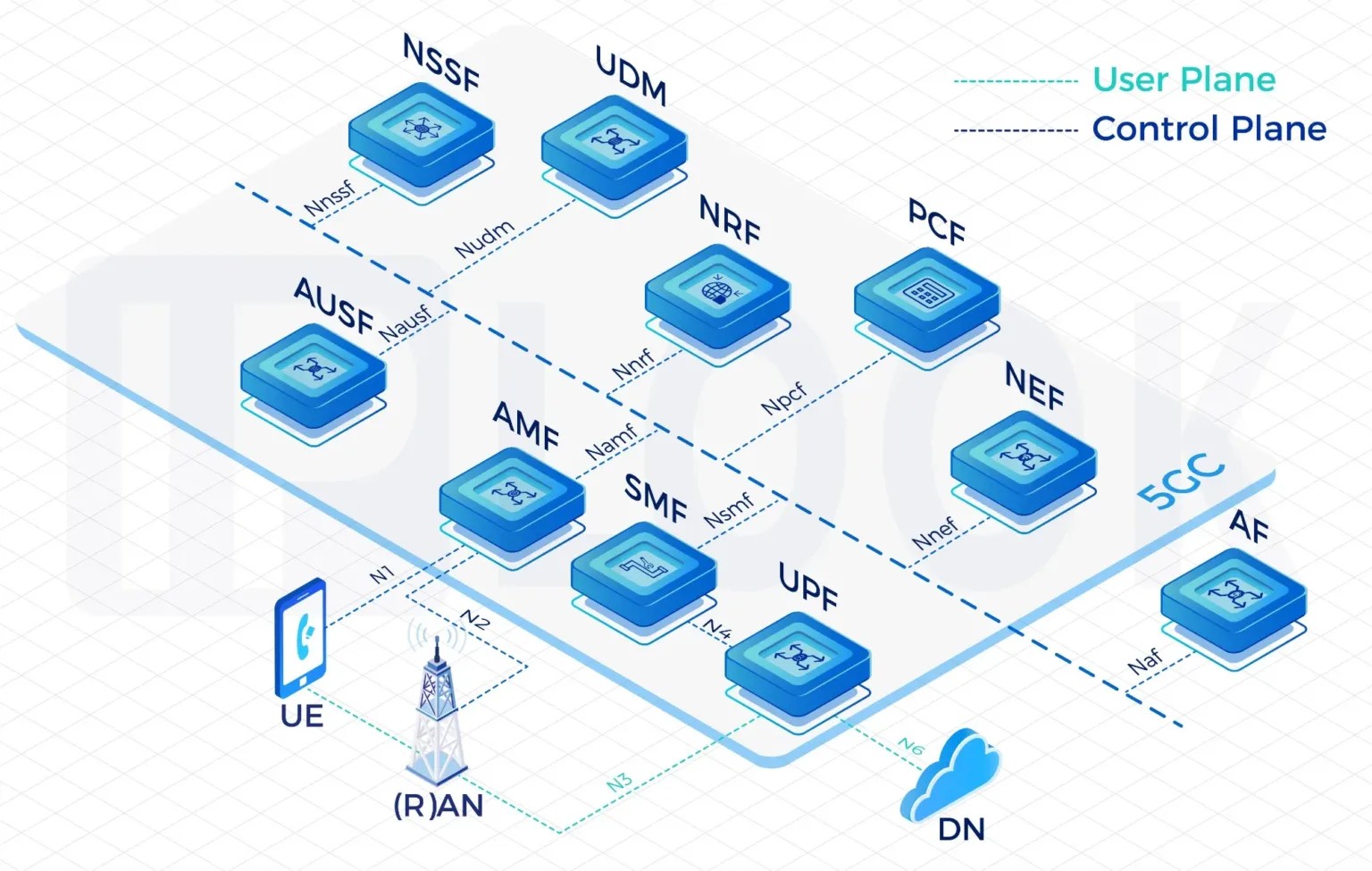
Network agility has become the lifeblood of modern telecom operators, yet many find themselves shackled by rigid, monolithic core infrastructures that resist rapid change. Wholesale core solutions offer a way out of this trap, enabling operators to tap into shared, cloud-native core network functions on a consumption-based model. Instead of waiting months for hardware deployments and capacity planning, teams can spin up new network slices or reconfigure services in near real time, turning what was once a multi-year upgrade cycle into a fluid, responsive ecosystem.
The beauty of a wholesale core lies in its inherent separation of concerns. By decoupling the physical infrastructure from the software layer, operators can focus on what truly differentiates them—customer experience, innovative service bundling, and market speed—while leaving the complexity of core network management to specialized partners. This division of labor allows even smaller, regional players to experiment with bleeding-edge features like edge computing integration or advanced quality-of-service policies without the burden of building and maintaining the underlying technology stack from scratch.
Perhaps most compelling is how wholesale core models transform capital expenditure into a variable, operational cost tied directly to usage. Instead of overprovisioning for peak loads that only happen a handful of times a year, operators can scale resources elastically, absorbing demand spikes during live events or seasonal surges without sweating asset utilization. This financial flexibility, combined with the ability to onboard new enterprise clients in days rather than weeks, reshapes the competitive landscape, making network agility not just an operational advantage but a clear business strategy.
Driving Operator Revenue with Flexible Service Models
Flexible service models give operators the agility to monetize network investments in entirely new ways. Instead of being locked into rigid, one-size-fits-all plans, they can dynamically bundle connectivity with edge computing, security, or industry-specific solutions. This unbundling and rebundling allows them to target niche markets that were previously out of reach, turning occasional users into loyal subscribers by aligning price with perceived value.
Unexpected revenue streams often emerge when operators let go of legacy billing cycles. Usage-based fees, limited-time passes, and outcome-oriented SLAs attract businesses that would never commit to long-term contracts. A retailer might pay only for the data that powers a week-long pop-up event, while a logistics firm could scale IoT connectivity up and down with seasonal demand. Each interaction becomes an opportunity to capture incremental income without heavy upfront sales effort.
More importantly, flexible models strengthen the operator’s role in complex supply chains. By enabling partners to embed network functions directly into their own services via APIs, the operator moves from being a silent pipe to a strategic enabler. Every API call, every spike in on-demand bandwidth, and every custom service level becomes a billable event—turning the network into a living commercial asset that evolves with customer behavior.
Bridging Coverage Gaps Without Heavy Capital Outlay
Expanding insurance or service coverage often feels like a daunting financial commitment. Many businesses assume they need to build new infrastructure from scratch or hire large teams to reach underserved areas. In reality, incremental, low-cost adjustments can open doors to overlooked segments. Simple changes like tweaking policy terms, bundling existing offerings, or leveraging local agents for micro-distribution often deliver immediate impact without the burden of heavy upfront spending.
Rethinking data and partnerships also plays a crucial role. Rather than investing in expensive proprietary research, companies can tap into public datasets, third‑party insights, or collaborate with nonprofits already active in target communities. These alliances provide on-the-ground knowledge and trust, reducing the cost of customer acquisition. Technology, too, can be used in a lean way: a lightweight mobile app or SMS-based claims processing extends reach without the need for costly physical offices.
Another overlooked avenue is product modularity. By breaking down comprehensive packages into smaller, affordable slices, businesses allow customers to buy only what they need. This lowers barriers for both the provider and the client, creating a steady path toward broader coverage. The key is shifting focus from expensive capital projects to smarter, partner-driven, and iterative approaches that fill gaps organically over time.
Simplifying Multi-Generation Network Interworking
Juggling connectivity across 2G, 3G, 4G, and 5G has long been a headache for operators. Each generation came with its own protocols, interfaces, and assumptions, turning what should be a seamless fabric into a patchwork of legacy glue. The real challenge isn't just keeping the lights on for older networks—it's making sure they play nicely with the new ones without forcing every device or service into a forklift upgrade. The goal is to make that interworking invisible to the user, while keeping operational complexity and costs in check behind the scenes.
A smarter approach starts by rethinking how we bridge these gaps. Instead of layering on more gateways and protocol translators, the focus shifts to converged core architectures that can speak multiple access languages natively. Techniques like slicing and dynamic policy enforcement allow a single network to present the right behavior to each generation, whether it's low-latency 5G or ultra-reliable narrowband IoT. This not only simplifies handovers but also slashes the overhead of running parallel infrastructures, letting resources be shared intelligently across eras.
Ultimately, simplicity comes from treating the multi-generation challenge as a software problem rather than a hardware one. With cloud-native functions and AI-driven orchestration, the network can adapt on the fly, steering traffic, balancing loads, and even retiring old air interfaces gracefully without disrupting service. The result is a network that evolves at the pace of innovation while giving every connected thing—old or new—the performance it expects.
Accelerating Time-to-Market for Innovative 5G Services
The race to launch next-generation 5G services demands more than just technical prowess—it requires a reimagined approach to development, testing, and deployment. By collapsing traditional silos between network design and service rollout, operators can shave months off their go-to-market cycles. Early adopters are already leveraging cloud-native architectures and continuous integration pipelines to turn months-long hardware qualification processes into software updates delivered in weeks.
Cross-functional collaboration is proving to be a secret weapon. When R&D teams work alongside marketing and operations from day one, prototype services can be trialed in live environments with real user feedback loops. This tight integration eliminates the need for multiple handoff stages that historically bogged down innovation. One forward-thinking operator cut its service launch timeline by 40% simply by embedding operational specialists within its development squads.
Automation is another catalyst. Automated testing frameworks that simulate millions of devices and network conditions are replacing manual lab setups, catching edge cases that would otherwise only surface in the field. Combined with AI-driven analytics that predict network bottlenecks before they occur, service providers can confidently accelerate their timelines without sacrificing reliability. The result is a virtuous cycle where faster iterations lead to more robust services, which in turn fuels market momentum.
FAQ
It's a shared, pre-built 5G core infrastructure that mobile operators can lease or access on a wholesale basis rather than building their own from scratch. This model gives them the essential control and service capabilities without heavy upfront investment.
Smaller players gain immediate access to cutting-edge 5G features—like network slicing and ultra-low latency—without requiring massive capital or technical resources. It levels the playing field against larger incumbents.
The core is the brain of the network, managing data routing, authentication, and service orchestration. Without a robust, cloud-native 5G core, you can't unlock the full potential of capabilities like massive IoT, edge computing, or guaranteed quality of service.
Absolutely. The wholesale approach often provides APIs and flexible configuration options, so each operator can tailor service packages, enforce unique policies, and deliver branded experiences on top of the common infrastructure.
They typically see dramatically reduced latency, support for a much higher density of connected devices, and more efficient resource utilization. This translates to smoother streaming, faster responses for industrial automation, and reliable connectivity in crowded venues.
The provider can partition the core network into multiple virtual slices, each optimized for different use cases—like high-bandwidth consumer apps or ultra-reliable mission-critical communications. Operators can then offer these as distinct, guaranteed services to their customers.
Modern wholesale cores are designed with strict multi-tenancy isolation. Each operator's traffic and data are logically separated, often with dedicated security policies and encryption, ensuring that no cross-tenant interference occurs.
For end users, it means faster, more responsive mobile experiences, plus entirely new services that weren't possible before—like real-time augmented reality, autonomous vehicle coordination, or smart factory automation—all delivered seamlessly by their operator.
Conclusion
The wholesale 5G core network represents a fundamental shift in how mobile operators can build and expand next-generation connectivity. By reinventing the mobile core infrastructure for the 5G era, this approach enables operators to move away from rigid, monolithic systems toward a cloud-native, service-based architecture that supports unprecedented flexibility. Through wholesale core solutions, network agility is unlocked, allowing operators to dynamically allocate resources, scale services on demand, and rapidly deploy new functionalities without overhauling their entire network. This model not only simplifies multi-generation network interworking—seamlessly bridging 4G, 5G NSA, and 5G SA—but also accelerates time-to-market for innovative 5G services, from ultra-reliable low-latency communications to massive IoT, giving operators a competitive edge in a fast-evolving digital landscape.
Equally transformative is the financial and operational impact. Wholesale 5G core solutions enable operators to bridge coverage gaps without heavy capital outlay, tapping into shared or leased core network resources to extend service reach into underserved areas cost-effectively. This lowers the barrier to entry for smaller players and allows established operators to experiment with new business models. Flexible service models, such as network-as-a-service and slicing-as-a-service, drive operator revenue by opening up new wholesale revenue streams and enabling tailored enterprise offerings. Ultimately, the wholesale 5G core empowers mobile operators to become more agile, innovative, and resilient, transforming connectivity from a capital-intensive utility into a dynamic, service-driven ecosystem.
Contact Us
Contact Person: Shimmy
Email: [email protected]
Tel/WhatsApp: 85253392231
Website: https://www.iplook.com