

Wastewater Treatment Blower Supplier: Key Factors for Reliable Aeration Performance
2026-08-26
Most wastewater treatment plants focus on process control, but few realize that a poorly chosen blower supplier can silently compromise aeration efficiency. Not all blowers are built equal, and neither are the companies behind them. When every kilowatt counts, you need a supplier that understands the nuances of dissolved oxygen, pressure drops, and turndown capability. That’s where Seize Air comes in—offering blowers designed for real-world aeration demands, backed by engineering support that keeps your system running smoothly. Before you sign that purchase order, here are the key factors to weigh.
Reading Past the Sales Pitch: What a Supplier’s Project History Actually Reveals
A polished pitch deck rarely shows the moments when a supplier struggled. Project history, however, is a record of those struggles and how they were handled. Look past the logos and case-study summaries; ask for timelines, change orders, and post-mortem notes. A supplier who repeatedly ships late but blames clients may be hiding weak resource planning. One who adjusted scope mid-project without inflating costs or finger-pointing shows the kind of composure you can't fake in a sales meeting.
Also pay attention to the types of projects in their portfolio. Ten similar jobs for the same industry might mean deep expertise, or it might mean they've never been tested outside a narrow comfort zone. The more revealing stories often come from the second or third reference call: how did the team respond when the original spec turned out to be wrong? Did they communicate bad news early or bury it? Did they leave behind documentation that your team could actually use? Those details rarely appear in a proposal but they predict your experience better than any promised SLA.
Finally, look for evidence of learning. A supplier with a history of repeating the same mistake on consecutive projects isn't going to change just because your contract is stricter. Ask to see how their process, tooling, or checklists evolved after a failure. The absence of any recorded lessons—or a defensive reaction when you ask about them—tells you more than a reference list full of five-star ratings.
Blower Turndown and the Art of Matching Airflow to Real-Time Demand
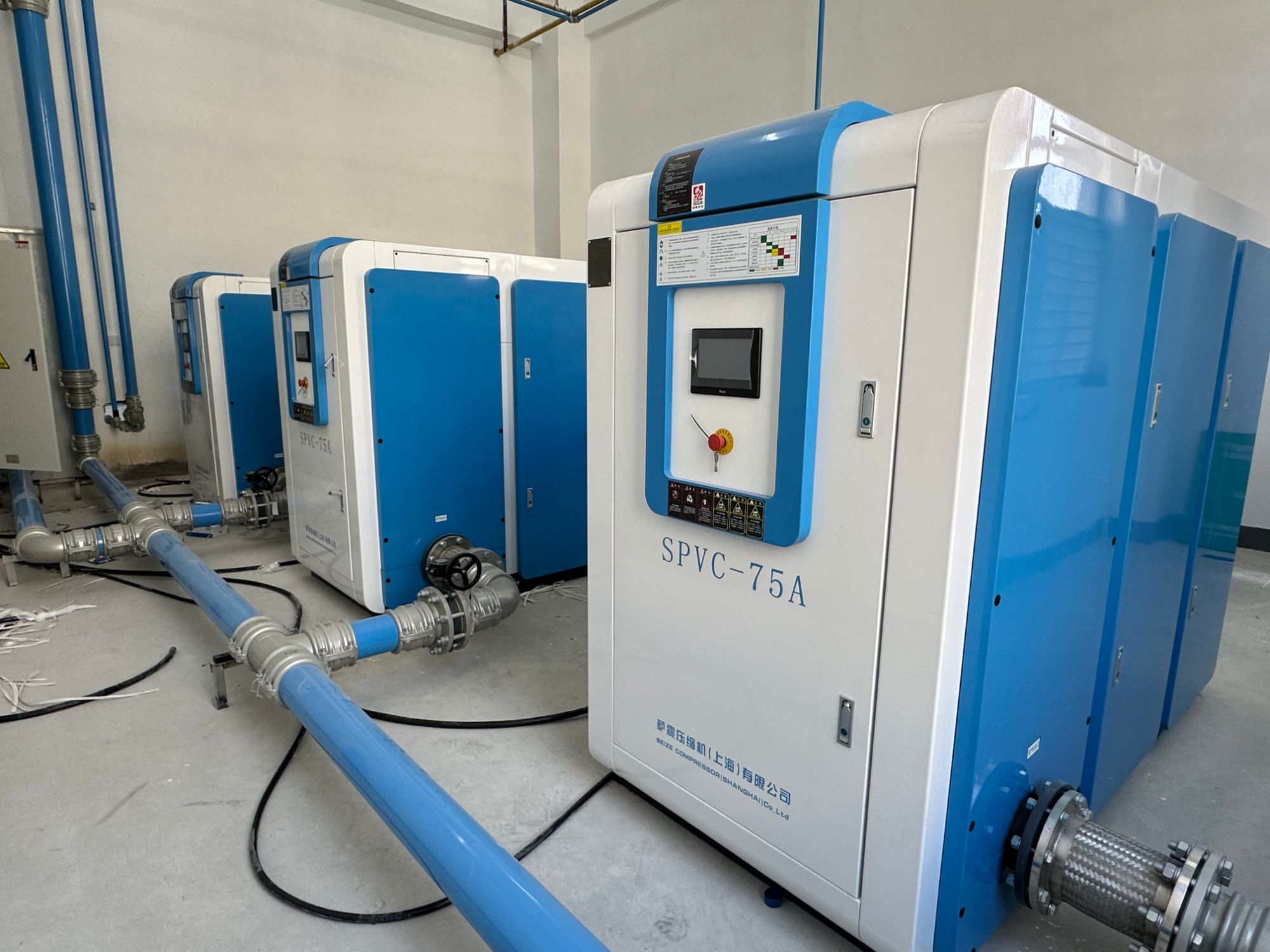
Blower turndown is rarely a spec-sheet checkbox—it's the operational grace note that separates a system that merely runs from one that breathes with the process. When aeration demand swings from peak morning load to the lazy lull of an overnight shift, the blower's ability to shed airflow without sacrificing pressure stability becomes a quiet act of engineering finesse. Too shallow a turndown and you're bleeding energy through a blow-off valve, churning air nobody asked for. Too aggressive, and you risk surging the impeller or starving the biofilm of the oxygen it needs to stay hungry. The real skill lies in reading the load curve not as a static target, but as a moving conversation between biology, hydraulics, and the blower's own control response.
What often gets lost in the turndown discussion is the distinction between mechanical capability and intelligent modulation. A blower might advertise a 50% turndown ratio, yet still stumble when asked to track a dissolved oxygen setpoint that wanders by the minute. Modern variable-speed drives paired with inlet throttling or guide vane adjustment can stretch the usable range, but only if the control algorithm understands the lag between a speed change and the resulting airflow at the diffuser. You end up tuning not just the machine but the entire feedback loop—sensor placement, pipe volume, even the thermal inertia of the air itself. It's this layering of mechanical envelope and real-time responsiveness that turns a basic turndown spec into a deliberate design choice rather than an afterthought.
In practice, the most compelling systems treat turndown as a dynamic resource rather than a fixed limit. Airflow demand is rarely a step function; it ramps, overshoots, settles, and drifts with influent strength and seasonal temperature. Matching that rhythm means deploying turndown capacity in small, deliberate increments—letting the blower hunt slightly but not oscillate, breathing with the tank instead of shouting at it. The payoff appears quietly: lower energy bills, less wear on seals and bearings, and a process that stays resilient when the real world refuses to follow the design-day assumptions. That, ultimately, is the art—not hitting a number on a curve, but giving the system just enough air, at just the right moment, without making a fuss about it.
Why Oversized Blowers Sabotage Both Energy Bills and Dissolved Oxygen Control
Oversized blowers rarely run anywhere near their best efficiency point. When a unit is selected with too much cushion for future growth or just a habit of adding safety factors, it ends up throttled or bypassing air most of the time. That continuous throttling does not trim power draw in proportion. Many installations keep pulling 85 to 90 percent of full-load amps even when the process only needs half the air, because the blower is fighting its own discharge pressure just to stay online.
The same oversizing also makes dissolved oxygen control sluggish. With a big blower and a small demand, the control valve or inlet guide vanes sit near the bottom of their range, where a tiny movement produces an outsized change in airflow. Operators then watch DO swing from 1.5 to 6 mg/L in minutes, chase the setpoint with manual tweaks, or widen deadbands until the loop effectively runs open-loop. The result is not just wasted kilowatts but a biological process that never settles into a stable rhythm.
A better approach is to match the blower package to the real operating window, including the most common turndown conditions, rather than the worst-case peak that may never arrive. Smaller units staged in parallel or a properly sized variable-speed machine can hold discharge pressure closer to the tank’s actual oxygen demand, letting DO control respond smoothly without the hidden cost of constant over-aeration.
Maintenance Design Flaws That Turn Routine Service Into a Nightmare
Every mechanic knows the sinking feeling of popping the hood and spotting a filter buried behind three layers of unrelated components. It’s the kind of design oversight that makes a simple oil change stretch into an afternoon of knuckle-scraping frustration. When engineers prioritize sleek exteriors over service access, they quietly sign technicians up for hours of extra labor — and owners for inflated bills. The result is a maintenance routine that feels less like care and more like punishment.
Some flaws are so avoidable it almost hurts. Drain plugs positioned directly above crossmembers, fasteners that require removing a wheel to reach a belt, dipsticks angled in ways that defy human wrists — these aren’t just inconveniences; they’re failures of empathy. The worst offenders hide wear items behind plastic shields held on by brittle clips that snap on first removal. That’s when a fifteen-minute task mutates into a parts-ordering waiting game, and the vehicle sits idle while a three-dollar clip becomes the villain of the week.
What separates a mildly annoying design from a true nightmare is the compounding effect. A cramped engine bay forces shortcuts, shortcuts lead to stripped threads or cracked housings, and suddenly the car is worse off than when it rolled in. The best service-friendly designs don’t just make parts reachable — they make wrong installation nearly impossible, with clear indexing, captive bolts, and room for actual human hands. Until more manufacturers treat the service bay as part of the ownership experience, routine maintenance will keep feeling like an endurance test nobody signed up for.
Noise, Heat, and Vibration: The Plant-Floor Factors That Affect Operator Performance
On a busy plant floor, the constant drone of machinery isn't just background noise—it's a cognitive tax. Operators straining to hear alarms or coworkers over the hum of compressors and grinders quickly burn through their mental reserves. Studies in industrial settings show that sustained exposure to levels above 85 decibels can slow reaction times and increase the likelihood of missed signals, turning a routine task into a safety gamble. The real cost isn't just hearing loss; it's the quiet erosion of focus that no amount of earplugs can fully reverse.
Heat adds another layer of strain, and it's often the most underestimated. In foundries, bakeries, or any line near ovens and motors, ambient temperatures can climb past 95°F, pushing core body temperature up and pulling blood away from the brain toward the skin. Operators start to feel groggy, make more arithmetic errors, and lose the fine motor control needed for precise assembly. Even with hydration breaks, the body's thermoregulatory system works overtime, leaving less energy for the very skills the job demands. A worker who can't think straight in the heat is a risk not just to output but to everyone nearby.
Vibration, whether from hand tools or standing on a shaking platform, compounds these effects in ways that are easy to dismiss until injuries appear. Whole-body vibration from forklifts or stamping presses can blur vision and disrupt balance, while hand-arm vibration from grinders and chipping hammers numbs fingers and slows tactile feedback. Over a shift, that means operators grip tools harder, misjudge pressure, and take longer to complete tasks that should be automatic. The combination of noise, heat, and vibration creates a plant-floor triangle that quietly degrades performance—and the smartest facilities treat these factors as design problems, not personal endurance tests.
From Delivery to First Breakdown: What Support Contracts Should Actually Cover
Delivery day feels like the finish line, but it's actually where the real risk starts. A support contract that only kicks in after something breaks is already too late. The period between delivery and the first breakdown should be explicitly covered: installation verification, initial calibration, operator walkthroughs, and a defined window for addressing early-life failures without extra charges. Many buyers assume these are included, only to discover the contract's fine print excludes adjustments or training once the equipment is signed for.
Even before the first real fault, the contract needs to spell out preventive measures—scheduled inspections, firmware updates, remote monitoring thresholds, and how spare parts are stocked or shipped. Too many agreements focus on repair response times but stay silent on who pays for the diagnostic visit when a sensor throws a false alarm. If the support contract doesn't clearly state what's covered during this fragile "burn-in" phase, the customer ends up paying for the vendor's learning curve.
FAQ
Look beyond the horsepower rating. Ask how the supplier handles aeration basin dynamics, whether they’ve done similar installations, and what their local service response actually looks like. A supplier that only pushes a catalog model often misses process-level issues.
If the blower can’t turn down smoothly, the plant ends up with DO swings that upset nitrification. Reliable aeration depends on stable airflow across a wide load range, not just peak output.
Energy usually accounts for over 70% of lifecycle cost. A cheap blower with a narrow efficiency band will quietly drain the operating budget. It’s smarter to compare expected energy use, service intervals, and rebuild costs before comparing tags.
Wastewater loads rarely sit still. Nighttime flows drop, storm events spike, and seasons shift oxygen demand. A blower with good turndown can match those changes without surging or wasting power, keeping the biology stable.
Oversizing is common when plants add a margin on top of a margin. A supplier with process know-how will challenge those assumptions, model actual demand, and often recommend a different configuration or control strategy that avoids constant cycling.
Regular vibration checks, inlet filter cleaning, and oil analysis catch problems before they become shutdowns. A good supplier will set up a monitoring routine tied to your specific environment, not just hand over a generic manual.
The blower has to follow dissolved oxygen setpoints without lag or hunting. If the supplier doesn’t understand your PLC or SCADA, you can end up with airflow that chases the signal, stressing the machine and the treatment process.
They know the air is wet, dusty, and full of biological aerosols. They’ve seen sludge fouling and pressure swings. They ask about aeration basin geometry and diffuser condition—not just pipe size. That context shows up in better sizing and fewer surprises.
Conclusion
Choosing a wastewater treatment blower supplier demands far more than comparing catalog specs or listening to polished sales pitches. The real story lives in a supplier’s project history—how their blowers perform after years of continuous duty, not just during a factory test. One often-overlooked differentiator is turndown capability. Aeration demand in a plant swings with load, weather, and biological activity, so a blower that cannot modulate airflow efficiently forces operators to waste energy or compromise dissolved oxygen setpoints. Equally damaging is the common habit of oversizing blowers “for safety.” Oversized units run in surge or blow-off mode, burn extra power, and make precise DO control nearly impossible because even minimum output exceeds actual oxygen demand. A supplier who pushes you toward a larger machine than your peak load calculation requires is not doing you a favor; they are setting up a long-term operational headache.
Beyond sizing, the physical and mechanical details decide whether that blower becomes a reliable workhorse or a maintenance nightmare. Look critically at routine service access: filters, belts, oil drains, and sensor ports. If the design forces a technician to disassemble half the skid just to check oil level, every minor service turns into hours of downtime. On the plant floor, noise, radiated heat, and vibration are not comfort issues—they directly affect operator focus, safety, and the lifespan of nearby instrumentation. A blower that rattles the catwalk or makes conversation impossible is a design failure, not a personality quirk. Finally, examine the support contract with the same skepticism as the hardware. What exactly happens between delivery and the first major breakdown? Does the agreement cover emergency parts, remote diagnostics, on-site tuning, or only a vague “warranty”? The best suppliers treat the support contract as a living document: clear response times, guaranteed spare parts availability, and scheduled performance checks. That after-sale reality, combined with honest sizing and serviceable design, is what separates a dependable aeration partner from a costly mistake.
Contact Us
Contact Person: Mia
Email: [email protected]
Tel/WhatsApp: +86 19821985894
Website: https://www.seize-air.com