

Top OEM Roll Forming Machine Suppliers: Expert Insights for Your Project
2026-09-10
Embarking on a new roll forming project? The choice of an original equipment manufacturer (OEM) can make or break your success. In this blog, we dive deep into the world of top OEM roll forming machine suppliers, offering expert insights tailored to your specific needs. From cutting-edge technology to reliable performance, we'll explore what sets the leaders apart. Discover how partnering with Beenew can elevate your project with precision engineering and innovative solutions. Stay tuned for actionable tips that will help you navigate this critical decision seamlessly.
Identifying the Right Roll Forming Machine Supplier for Your Specific Needs
Finding a roll forming machine supplier that aligns with your unique production goals can feel like navigating a maze, but breaking it down into key considerations simplifies the process. Start by assessing your specific requirements: Are you dealing with high-volume runs of standard profiles, or do your projects demand frequent customization and quick changeovers? This initial clarity helps filter suppliers who specialize in either mass production or flexible, small-batch operations. Don't just look at machine specs in isolation; evaluate if the supplier offers tailored solutions, such as modular designs that can grow with your business or integration support for existing lines.
Beyond the equipment itself, the supplier's expertise and support network play a crucial role in long-term success. A reliable partner should provide comprehensive after-sales services, including training for your team on operation and maintenance, as well as readily available spare parts to minimize downtime. Look for suppliers with a proven track record in your industry—whether it's automotive, construction, or aerospace—as they'll better understand material nuances and regulatory standards. Engaging in detailed discussions about past projects and requesting case studies can reveal how well they adapt to varied client needs, beyond just offering a catalog of machines.
Ultimately, the right supplier isn't just about delivering a machine; it's about fostering a collaborative relationship that enhances your operational efficiency. Consider factors like lead times, customization capabilities, and ongoing technical support. Visiting their facilities or arranging virtual tours can give insights into their manufacturing processes and quality control, ensuring they meet your standards. By prioritizing these aspects, you'll not only secure a suitable machine but also gain a strategic partner committed to your production success, making the investment worthwhile in the long run.
Key Considerations When Selecting an OEM Roll Forming Machine
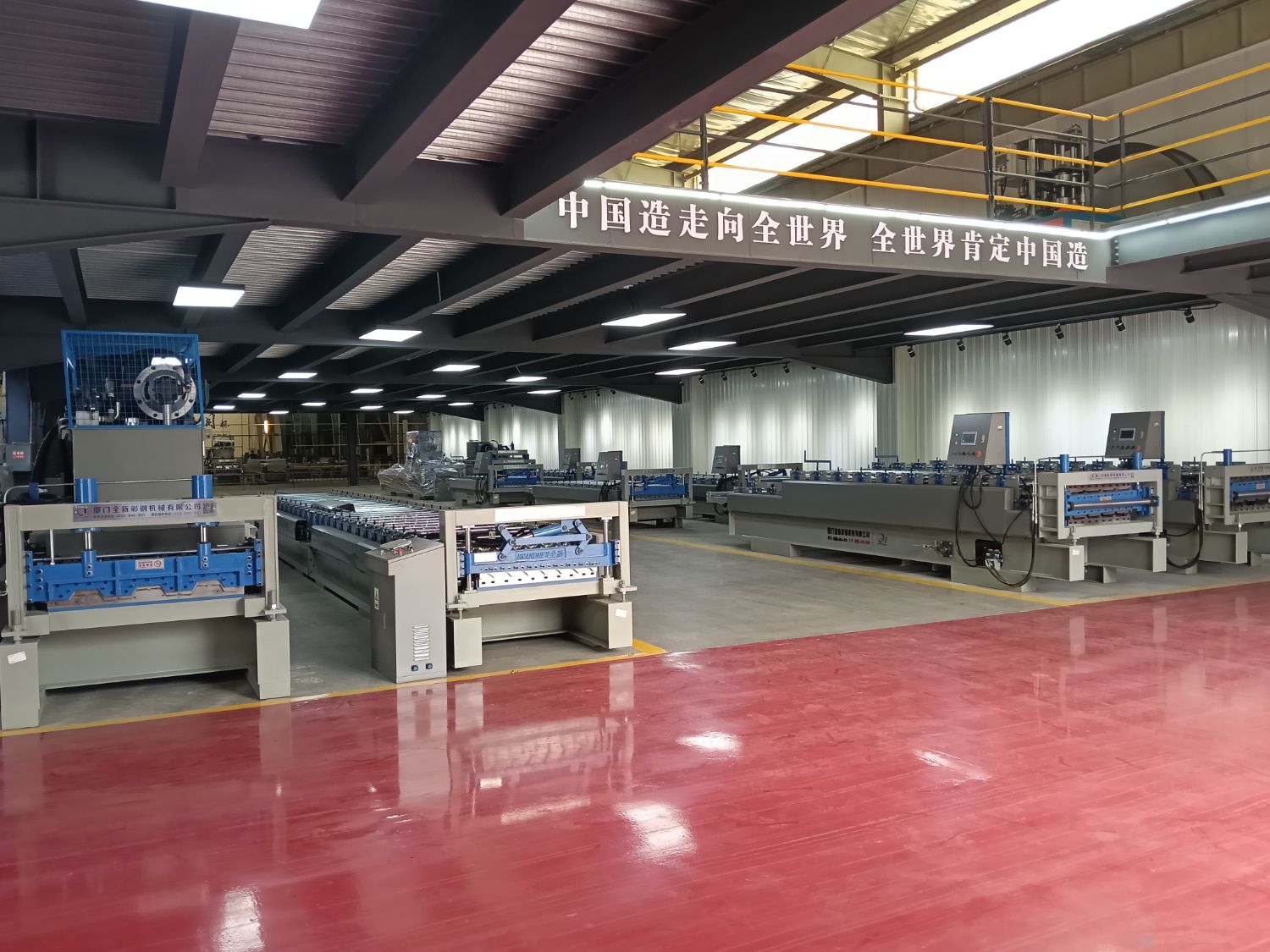
When you're in the market for an OEM roll forming machine, the first thing to nail down is how it aligns with your production needs. Think about the materials you'll be working with—are they standard steel coils or something more specialized like aluminum or coated metals? The machine's capability to handle different thicknesses and widths without compromising on precision is crucial. It's not just about buying a machine; it's about investing in a solution that adapts to your evolving product lines, ensuring you don't end up with equipment that becomes obsolete as your business grows.
Another often-overlooked aspect is the total cost of ownership, which goes beyond the initial price tag. Factor in maintenance requirements, energy consumption, and the availability of spare parts. A machine might seem affordable upfront, but if it demands frequent downtime for repairs or has high operational costs, it could drain your resources over time. Look for OEMs that offer robust support services and training, as this can significantly reduce long-term expenses and keep your production line running smoothly.
Finally, customization options can set a machine apart. In today's competitive landscape, having a roll former that allows for quick tooling changes or software adjustments can give you an edge in responding to custom orders or market shifts. Evaluate the manufacturer's flexibility in tailoring the machine to your specific processes, such as integrating with existing automation systems or adding specialized features. This level of adaptability ensures your investment remains relevant and productive for years to come.
Top-Rated OEM Suppliers in the Roll Forming Industry
In the competitive world of roll forming, businesses rely heavily on trusted OEM suppliers who consistently deliver high-quality components and services. These top-rated suppliers have built their reputations through years of expertise, innovative engineering solutions, and a deep understanding of industry-specific challenges. Clients often highlight their ability to customize products to exact specifications, ensuring seamless integration into existing production lines while maintaining cost-efficiency and durability that stands up to rigorous industrial demands.
What truly sets these leading OEM suppliers apart is their commitment to continuous improvement and customer collaboration. Many have invested in state-of-the-art manufacturing technologies, such as automated precision tools and real-time quality control systems, which minimize errors and optimize production timelines. Their teams work closely with clients from initial design consultations to post-installation support, fostering long-term partnerships and adapting quickly to evolving market trends, whether in automotive, construction, or aerospace applications.
Beyond technical prowess, top-rated suppliers prioritize sustainability and ethical practices, incorporating eco-friendly materials and energy-efficient processes into their workflows. This holistic approach not only enhances product performance but also aligns with global standards, making them preferred partners for companies aiming to reduce environmental impact. By consistently exceeding expectations in reliability, innovation, and service, these OEM leaders drive the roll forming industry forward, setting benchmarks that inspire confidence and growth across the supply chain.
Expert Tips for Smooth Integration into Your Project Workflow
Mastering integration into your project workflow starts with clear communication and setting realistic expectations from day one. Many teams overlook the importance of onboarding new members with a structured plan that goes beyond basic introductions. By creating a dedicated integration checklist tailored to your specific project needs, you ensure nothing falls through the cracks. This approach not only speeds up the learning curve but also builds trust among team members, fostering a collaborative environment where everyone feels supported and valued.
Another key aspect is leveraging the right tools and processes to streamline collaboration without overwhelming participants. Instead of adopting every new software trend, focus on a few core platforms that your team genuinely enjoys using, as this increases adoption rates and reduces friction. Regular, informal check-ins can also provide valuable insights into how well the integration is progressing, allowing for quick adjustments before minor issues escalate. Remember, the goal is to create a workflow that feels intuitive, not rigid, encouraging creativity and problem-solving along the way.
Additionally, consider tailoring the integration pace to individual strengths and project demands rather than enforcing a one-size-fits-all timeline. Some members might thrive with immediate, hands-on tasks, while others benefit from a gradual introduction to core responsibilities. By customizing the process, you enhance engagement and productivity, turning integration into a dynamic part of your project's evolution rather than a static checklist item. This personalized touch often leads to smoother transitions and a more cohesive team dynamic in the long run.
Common Challenges and How Leading Suppliers Address Them
In today's rapidly evolving market, businesses often face significant hurdles such as supply chain disruptions, quality control inconsistencies, and rising operational costs. These challenges can hinder growth and damage customer relationships if not managed effectively. For instance, unexpected delays in raw material deliveries or production bottlenecks can lead to missed deadlines and lost revenue, while fluctuating quality standards may result in product recalls or negative reviews that tarnish a brand's reputation.
To tackle these issues, top suppliers adopt proactive strategies that go beyond mere reactive fixes. They invest in advanced technology like real-time tracking systems and predictive analytics to enhance supply chain visibility and anticipate potential disruptions. By implementing rigorous quality assurance protocols and continuous improvement programs, they ensure consistent product standards and reduce waste. Additionally, many leading suppliers foster close collaborations with clients through transparent communication channels, allowing for agile adjustments to orders and shared risk management, which helps mitigate cost overruns and build long-term trust.
Moreover, innovative approaches such as diversifying supplier networks and embracing sustainable practices enable these companies to stay resilient against global uncertainties. For example, by sourcing materials from multiple regions or adopting eco-friendly processes, they not only minimize dependency on single sources but also appeal to environmentally conscious consumers, creating a competitive edge. Through these integrated solutions, leading suppliers transform common obstacles into opportunities for efficiency and reliability, setting themselves apart in a crowded marketplace.
Future Trends in Roll Forming Technology from Industry Leaders
Industry leaders are increasingly focusing on integrating digital twins and IoT sensors into roll forming lines, enabling real-time monitoring and predictive maintenance that slashes downtime by up to 30%. This shift isn't just about adding gadgets—it reflects a deeper move toward data-driven manufacturing, where every curve and cut is optimized for efficiency and material savings.
Another trend gaining momentum is the adoption of lightweight, high-strength materials like advanced alloys and composites, pushing the boundaries of what roll forming can achieve in automotive and aerospace sectors. Unlike mere material swaps, this involves rethinking tooling designs and process parameters to handle these new substrates without compromising speed or precision.
Sustainability is also reshaping the conversation, with leaders investing in energy-efficient drives and recycling-friendly production methods that reduce waste by over 20%. This isn't just greenwashing—it's a strategic pivot to meet tightening regulations and consumer demand, turning environmental responsibility into a competitive edge in global markets.
FAQ
Focus on suppliers with a proven track record in your specific material type, like steel or aluminum, and check their customization capabilities to ensure they can adapt to your unique project needs without pushing standardized solutions.
Review their client testimonials for long-term partnerships, inspect case studies that show consistency in performance, and consider onsite visits to their facilities to gauge maintenance support and operational stability firsthand.
Yes, avoid suppliers who underestimate setup times or overpromise on output speeds without validation. Also, be wary of vague warranty terms—always clarify coverage details for parts and labor upfront.
Crucial: Top suppliers offer comprehensive training and 24/7 troubleshooting. Look for those providing detailed documentation and on-call engineers to minimize downtime and ensure smooth project integration.
Customization allows for precise material handling and unique profile shapes, enhancing efficiency. Seek suppliers who collaborate on design tweaks rather than offering rigid, off-the-shelf models that might compromise your project's specs.
Lead times can range from weeks to months based on complexity. Prioritize suppliers with transparent scheduling and a history of meeting deadlines, as delays can disrupt entire production lines and project timelines.
Regular maintenance schedules and access to genuine spare parts are vital. Choose suppliers that provide ongoing service agreements and responsive support to extend machine lifespan and ensure consistent output quality.
Look beyond initial price tags by evaluating total cost of ownership, including energy efficiency, maintenance costs, and potential upgrades. Request itemized quotes to avoid hidden fees and assess long-term value over mere upfront savings.
Conclusion
When embarking on a project involving OEM roll forming machines, identifying the right supplier hinges on aligning with your specific operational needs. This entails a thorough assessment of factors such as production capacity, material compatibility, and customization capabilities. Key considerations in the selection process include evaluating the machine's precision, durability, and technological integration features. By leveraging insights from top-rated suppliers in the industry, businesses can ensure they partner with providers known for reliability and innovation.
Leading suppliers address common challenges, such as installation delays or maintenance issues, through proactive support and tailored solutions, facilitating smooth integration into project workflows. Expert tips often emphasize collaborative planning and ongoing communication to minimize disruptions. Looking ahead, future trends in roll forming technology, as highlighted by industry leaders, point toward automation, energy efficiency, and advanced material handling. Staying informed on these developments helps companies not only optimize current projects but also future-proof their investments for evolving market demands.
Contact Us
Contact Person: Sophie
Email: [email protected]
Tel/WhatsApp: 8615959271231
Website: https://www.beenew-rollformer.com/