

Top Moulded Case Circuit Breaker Company: Key Insights for Reliable Electrical Protection
2025-12-23
In today's world, where electrical safety can't be compromised, choosing the right molded case circuit breaker (MCCB) is crucial for protecting both people and property. As you explore the top companies in this field, one name consistently stands out for its reliability and innovation: SINGI. This blog post dives deep into what makes a leading MCCB provider tick—covering everything from cutting-edge technology to real-world performance. Whether you're an engineer, facility manager, or simply safety-conscious, this guide offers key insights to help you make informed decisions and ensure uninterrupted protection. Let's unravel the essentials that set the best apart in this vital industry.
Key Features of Top Moulded Case Circuit Breakers for Enhanced Safety
When it comes to safeguarding electrical systems, top-tier moulded case circuit breakers (MCCBs) are engineered with precision to prevent overloads, short circuits, and other hazards. They typically incorporate advanced trip units that offer adjustable settings for current and time delays, allowing for tailored protection in diverse applications. Unlike basic models, these breakers often feature built-in diagnostics, such as thermal-magnetic or electronic trip mechanisms, which enhance reliability by quickly detecting faults and interrupting power to minimize damage. This proactive approach not only boosts safety but also reduces downtime in industrial or commercial settings.
A standout aspect of leading MCCBs is their robust construction and arc-quenching technology. High-quality breakers are designed with durable moulded casings that provide insulation and resistance to environmental factors like dust and moisture. Internally, they utilize arc chutes or chambers that effectively extinguish electrical arcs during interruption, preventing fires and extending the breaker's lifespan. For example, some models integrate smart sensors that monitor temperature and wear, offering predictive maintenance alerts—a feature that sets them apart by adding an extra layer of proactive safety.
Beyond core protection, top MCCBs often include user-friendly features for enhanced safety and compliance. These might consist of clear visual indicators for trip status, easy-to-access test buttons for regular checks, and compatibility with communication modules for remote monitoring. By incorporating innovations like IoT connectivity or compliance with international standards like IEC and UL, these breakers not only meet safety requirements but also adapt to modern smart grid demands, making them a wise choice for anyone prioritizing both safety and efficiency in electrical installations.
Innovative Technologies Driving the Leading Circuit Breaker Companies
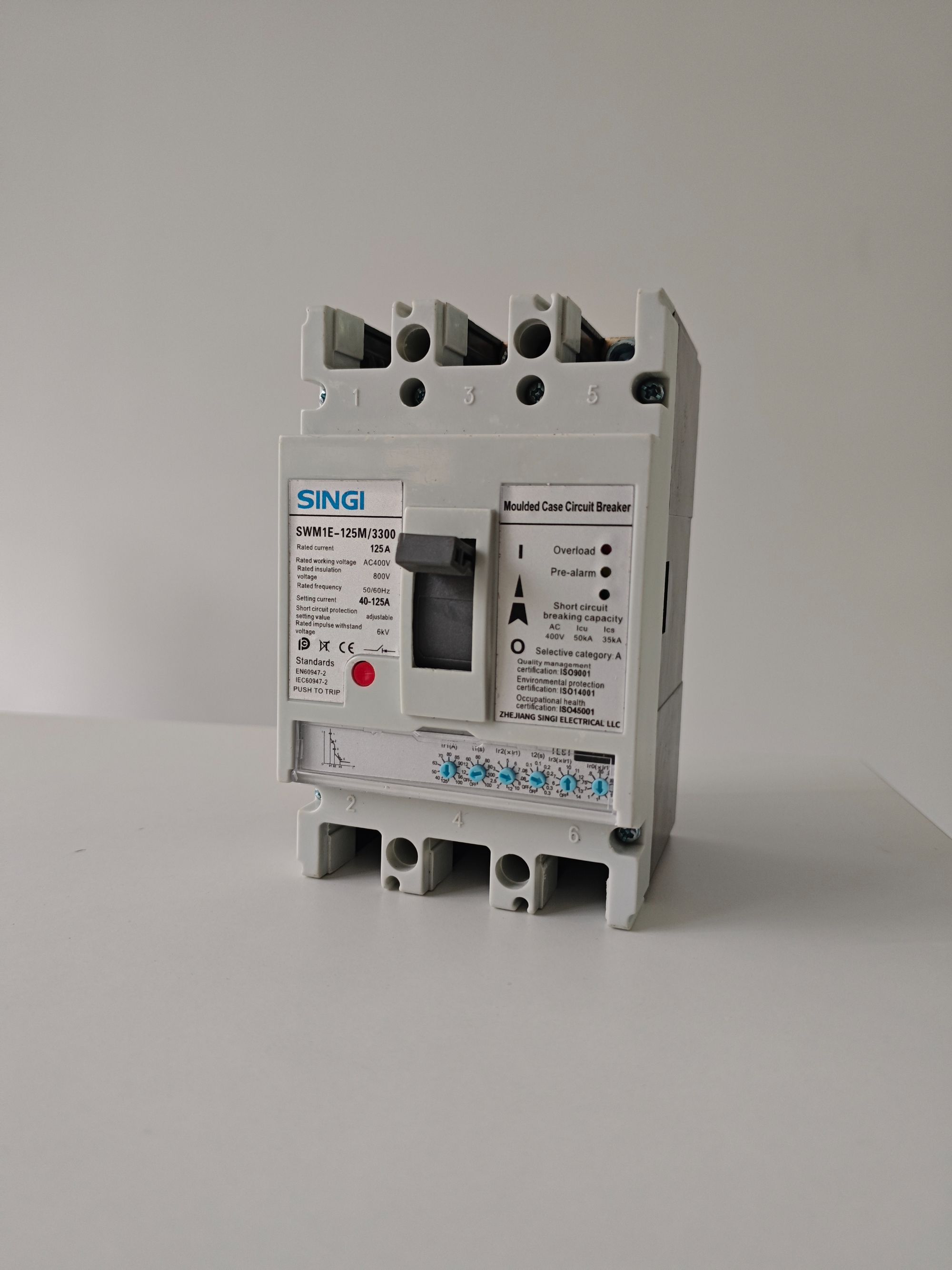
At the forefront of the circuit breaker industry, companies are leveraging cutting-edge technologies to enhance safety, efficiency, and reliability. Innovations such as smart circuit breakers equipped with IoT sensors enable real-time monitoring and predictive maintenance, reducing downtime and operational costs. For instance, advanced models can detect anomalies in electrical systems before failures occur, integrating seamlessly with building management systems for automated responses. This technological leap not only improves protection against overloads and short circuits but also supports sustainable practices by optimizing energy usage in residential, commercial, and industrial settings.
Another key driver is the integration of artificial intelligence and machine learning algorithms into circuit breaker designs. Leading firms are developing systems that can analyze historical data to forecast electrical demand and adjust settings dynamically, ensuring optimal performance under varying loads. These AI-enhanced breakers, often paired with cloud-based platforms, offer remote control and diagnostics capabilities, empowering users with actionable insights via mobile apps. By moving beyond traditional mechanical solutions, companies are creating more resilient grids that adapt to modern challenges like renewable energy integration and electric vehicle charging demands, setting new standards for safety and efficiency.
Additionally, breakthroughs in materials science and manufacturing processes, such as 3D printing and composite materials, are enabling more compact, durable, and cost-effective circuit breakers. Innovations like vacuum interruption and solid-state switching reduce arcing and wear, extending product lifespans and enhancing fire safety. Companies at the pinnacle of this field often collaborate with research institutions to pilot these technologies, offering customized solutions that cater to niche markets. As a result, the industry is witnessing a shift towards smarter, greener, and more user-friendly products, driving competition and fostering a culture of continuous improvement among leading players.
How to Select the Right Moulded Case Circuit Breaker for Your Needs
Choosing the perfect moulded case circuit breaker (MCCB) isn't just about checking ratings—it's about matching real-world conditions. Start by assessing your application's unique demands. For industrial settings, consider factors like motor starting currents or transformer inrush that might trip standard breakers prematurely. Don't just default to the highest interrupting capacity; analyze fault levels at different points in your system. Environmental elements matter too—humid locations require enhanced corrosion resistance, while dusty areas need sealed designs. Remember, oversizing 'for safety' can compromise protection and increase costs.
Look beyond basic specifications to features that solve specific problems. Need to coordinate with downstream devices? Selective tripping capabilities prevent unnecessary shutdowns. Dealing with harmonics from variable frequency drives? Thermal-magnetic breakers might struggle, while electronic trip units offer better performance. Modern MCCBs integrate smart functions like energy monitoring or communication protocols—valuable for predictive maintenance but unnecessary for simple disconnects. Consider future expansion; some modular designs allow easy upgrades without replacing the entire unit.
Finally, test your selection against actual scenarios. A breaker that performs perfectly in lab conditions might falter during rare events like generator switching surges. Consult installation manuals for derating requirements in high ambient temperatures. Verify compatibility with your existing panel layout and busbar configurations. Third-party testing certifications (like UL or IEC) provide assurance, but manufacturer reputation for support matters equally. The right MCCB balances technical requirements, operational practicality, and total ownership costs—not just purchase price.
Industry Applications and Real-World Performance of Top Models
Beyond academic benchmarks, top AI models are reshaping industries with tangible impact, from healthcare to finance. In medical diagnostics, models like GPT-4 and BERT assist in analyzing patient data, spotting patterns that humans might miss, while in autonomous vehicles, they power real-time decision-making for safer navigation. These applications aren't just theoretical—they're boosting efficiency and reducing costs across sectors, proving that cutting-edge AI is more than a lab experiment.
Real-world performance hinges on adaptability; models must handle messy data and unexpected scenarios. For instance, in customer service, advanced natural language processing models tailor responses to nuanced queries, improving satisfaction without human intervention. In manufacturing, predictive maintenance models forecast equipment failures, minimizing downtime. This practical edge sets top performers apart, as they translate complex algorithms into reliable, scalable solutions that drive innovation beyond controlled environments.
Looking ahead, the true test of these models lies in their integration into everyday workflows, where elements like ethical considerations and user trust play crucial roles. As industries adopt AI more broadly, performance metrics evolve to include factors like explainability and bias mitigation, ensuring that technology serves diverse needs effectively. This dynamic landscape highlights how top models aren't just tools but catalysts for transformative change, bridging the gap between research breakthroughs and societal benefits.
Maintenance Tips and Best Practices for Long-Term Reliability
Think of your equipment like a classic car – it needs regular tune-ups, not just when it breaks down. To keep it running smoothly for years, schedule proactive check-ins based on actual usage and manufacturer guidelines, rather than sticking rigidly to a calendar. This means monitoring performance data, listening for unusual noises, and catching small issues before they snowball. For instance, if a machine's vibration increases slightly, address it immediately to prevent costly repairs down the line.
Documentation isn't just boring paperwork; it's your secret weapon for reliability. Maintain detailed logs of all maintenance activities, including dates, parts replaced, and any anomalies observed. This creates a historical record that helps spot patterns, predict failures, and ensure consistency across teams. Plus, it makes troubleshooting faster when problems do arise, as you can quickly reference past solutions and avoid repeating mistakes.
Don't overlook the human element – training and empowering your team is crucial. Equip technicians with the latest tools and knowledge through hands-on workshops, not just manuals. Encourage a culture where everyone feels responsible for spotting and reporting issues early. By fostering collaboration and continuous learning, you build a resilient system that adapts to changes and sustains high performance over the long haul, making reliability a shared goal rather than just a checklist item.
Future Trends and Advancements in Circuit Breaker Protection Solutions
One of the most exciting developments in circuit breaker protection is the integration of smart technologies and IoT connectivity. Modern solutions are moving towards predictive maintenance, where sensors embedded in breakers monitor parameters like temperature, wear, and fault patterns in real-time. This data is analyzed using algorithms to forecast potential failures before they occur, allowing for proactive servicing and reducing unplanned downtime in electrical systems. Unlike traditional breakers that only respond to faults, these advancements enable a shift from reactive to preventive protection, enhancing reliability and operational efficiency across industries from manufacturing to renewable energy installations.
Another trend reshaping circuit breaker technology is the push for higher efficiency and eco-friendly designs. As global energy demands rise and sustainability becomes a priority, manufacturers are focusing on devices with lower energy losses and reduced environmental impact. For example, new solid-state circuit breakers are emerging as alternatives to mechanical ones, offering faster switching speeds and minimal arc generation, which cuts energy waste and improves safety. These innovations are crucial for applications like electric vehicle charging stations and smart grids, where rapid, precise protection can optimize energy flow and support the transition to greener power infrastructures.
Looking ahead, the convergence of artificial intelligence and advanced materials promises to revolutionize circuit breaker protection. AI-driven systems can use machine learning to analyze vast datasets from electrical networks, adapting breaker behavior to dynamic load conditions and fault types in real-time. Meanwhile, research into nanomaterials and superconductors aims to create breakers that are smaller, lighter, and more durable, capable of handling higher voltages with greater precision. These advancements not only bolster safety but also enable more compact and flexible installations, paving the way for next-gen applications in areas like data centers and aerospace, where space constraints and reliability are paramount.
FAQ
When selecting a top moulded case circuit breaker company, key considerations include the company’s reputation for reliability and durability, compliance with international standards like IEC and UL, customization options for specific needs, availability of technical support and maintenance services, and cost-effectiveness in the long term. It’s crucial to assess their track record in handling high-current loads and fault protection in diverse environments.
Top companies ensure reliability through rigorous testing processes, including thermal, mechanical, and electrical endurance tests, as well as using high-quality materials with superior insulation properties. They often incorporate advanced technologies like arc quenching systems and digital monitoring for real-time performance tracking, coupled with thorough quality control protocols to minimize defects and ensure consistent operation under various conditions.
Leading companies differentiate themselves with innovations such as smart breakers with IoT connectivity for remote monitoring and diagnostics, enhanced safety features like ground fault protection and selective coordination, modular designs for easy installation and scalability, and energy-efficient models that reduce power loss. Some also offer predictive maintenance tools to prevent downtime, setting them apart in the market.
Certification and compliance are critical in identifying top companies, as they demonstrate adherence to safety and performance standards set by bodies like UL, IEC, and IEEE. Companies with multiple certifications often have more rigorous testing, ensuring their products meet global requirements for electrical safety, which builds trust and lowers risks in applications ranging from residential to heavy industrial settings.
Businesses benefit from long-term electrical protection through reduced downtime and maintenance costs, improved system safety with fewer faults, enhanced energy efficiency leading to lower operational expenses, and access to expert support for troubleshooting and upgrades. This partnership often results in more resilient electrical infrastructure, supporting growth and compliance with evolving regulations.
Common challenges include compatibility with existing systems, space constraints for installation, and managing high fault currents. Top companies address these by offering customized solutions, compact designs to fit tight spaces, and robust products capable of handling extreme conditions. They provide comprehensive technical guidance and after-sales service to ensure smooth integration and optimal performance.
After-sales support is vital for ensuring ongoing reliability and quick resolution of issues. Buyers should look for companies that offer readily available technical assistance, spare parts, warranty services, and training for maintenance staff. This support minimizes downtime, extends product lifespan, and enhances safety, making it a key factor in selecting a trusted provider.
Environmental and sustainability factors influence top companies by driving the development of eco-friendly products, such as breakers with recyclable materials, energy-saving features, and reduced hazardous substances. Many also adopt green manufacturing processes and comply with regulations like RoHS, helping customers meet their sustainability goals while ensuring reliable electrical protection.
Conclusion
Top molded case circuit breaker companies prioritize robust safety features that go beyond basic trip mechanisms, incorporating arc-fault detection, ground-fault protection, and thermal-magnetic tripping to prevent electrical hazards. These key features ensure enhanced safety in diverse environments, from residential buildings to industrial facilities. By integrating innovative technologies like smart sensors, IoT connectivity, and predictive analytics, leading manufacturers are driving the evolution of circuit protection, offering real-time monitoring and automated responses to faults. This synergy of advanced safety and technology empowers users to select the right breaker based on specific needs, such as load capacity, application type, and environmental factors—a critical step in achieving reliable electrical protection.
In practical use, top models demonstrate high performance across industry applications, including data centers, manufacturing plants, and renewable energy systems, where real-world reliability is paramount. To maintain this performance, best practices involve regular inspections, testing, and adherence to maintenance schedules, which extend the lifespan of breakers and prevent failures. Looking ahead, future trends point toward AI-driven diagnostics, eco-friendly materials, and enhanced cybersecurity features, shaping the next generation of protection solutions. As these advancements unfold, the focus remains on delivering sustainable, efficient, and adaptable circuit breakers that meet evolving global demands, ensuring continuous innovation in electrical safety and protection.
Contact Us
Contact Person: Jack
Email: [email protected]
Tel/WhatsApp: (+86) 13757759651
Website: https://www.singi.com