

Rubber Kneader Supplier Checklist for Making the Right Choice
2026-08-16
Choosing the right rubber kneader supplier can make or break your production line—and it's rarely a straightforward call. Before you lock in a vendor, there's a checklist that separates reliable partners from costly mistakes. At SFC, we've seen too many buyers focus solely on price, only to face downtime and inconsistent mixing later. This guide walks you through the non-negotiables, from build quality to after-sales support, so your next kneader purchase is one you won't regret.
Probe Their Time on the Factory Floor, Not Just Years in Business
A company's founding date can be misleading. A supplier might have been registered for two decades, yet the current owners have spent most of that time in sales offices rather than on the shop floor. Real expertise shows up in the way workers handle unexpected material variations, how quickly they adjust a machine setting, or whether they notice a subtle weld flaw before it becomes a batch-wide problem. That kind of judgment only comes from hours spent beside the production line, not from a certificate on the lobby wall.
When you visit, skip the polished conference room and ask to walk the floor during an actual shift. Watch how long the line leader has been in the role and whether they can explain why a particular fixture is used instead of another. Newer plants can have deeper hands-on experience than legacy factories if their core team previously spent years running machines elsewhere. The question is not "how old is this building?" but "how many troubleshooting cycles have these people lived through?"
Another angle is to ask about past mistakes. A team that has spent meaningful time on the floor will recall a specific order that went wrong because of a tooling change, a supplier's inconsistent alloy, or a rushed shift handover. If they answer only with generalities like "we've never had issues" or "our quality system prevents errors," that's a red flag. You want partners who have dirt under their fingernails, not just a business license that has been renewed for many years.
Can They Tune the Kneader to Your Rubber's Quirks?
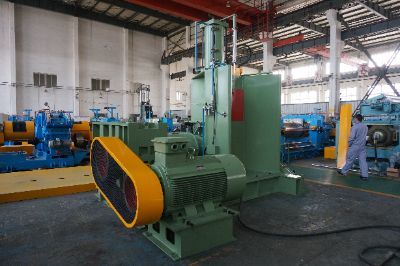
Not every rubber behaves the same way inside a kneader. A high-viscosity compound can overheat in minutes, while a softer stock may just sit there unless the rotors actually bite. So the real question isn't whether the machine works—it's whether the builder adjusts the rotor geometry, jacket temperatures, and ram pressure to match the specific batch you're running. That kind of tuning rarely shows up on a standard spec sheet.
Some suppliers will only sell you what's already on the floor. Others take your formulation, run a small-batch trial, and then tweak the blade clearances or add a variable-speed drive if your rubber needs a slower, cooler mix. For tricky materials like fluoroelastomers or high-filler blacks, that extra attention to shear and temperature control is the difference between a clean dispersion and a scorched batch.
Ask directly: will they adjust the kneader's control parameters—not just in software, but in the actual mixing chamber design—based on your compound's quirks? If the answer sounds vague, you're probably looking at a generic machine, not one that's been tuned for the job.
Look Beyond Certificates to How They Handle Batch-to-Batch Consistency
A supplier can flash a GMP certificate on their website and still deliver wildly different results from one shipment to the next. What actually matters is whether they treat batch-to-batch consistency as a discipline, not a marketing claim. Ask how they lock down raw material sources, what in-process checks they run at each stage, and how they document any deviation before a lot is released. The most telling sign is often found in their change control records, not in a framed certificate on the wall.
Real consistency shows up in the details. Do they test every incoming lot of actives and excipients against a fixed specification, or only when something looks off? Do they hold retain samples long enough to trace a problem six months later? A manufacturer that quietly maintains narrow acceptance ranges, recalibrates equipment on schedule, and flags even minor shifts in particle size or moisture content is the one you want. Certificates tell you they passed an audit once; those habits tell you what the next batch will look like.
Also look at how they respond when a batch drifts toward the edge of a spec. Some companies will adjust the process or reject the batch without being pushed. Others will ship it and hope you don't notice. The first type tends to earn long-term trust without needing to mention it in a brochure. The second type tends to have plenty of certificates and a very short client list.
Ask What Happens After the Warranty Ends—and Who Shows Up
Most companies dodge the question when you ask what happens after the warranty expires. They’ll hand you a brochure, point at the fine print, or worse—pretend the conversation never happened. But the answer shapes your real cost of ownership. If a part fails on day 366, are you stuck with a dead appliance and a repair bill that nearly matches the original price? Or does the manufacturer step in with a prorated discount, a free diagnostic, or at least a human being who can explain your options without reading from a script?
The second half of that question matters just as much: who actually shows up at your door. Is it a factory-certified technician with the right parts in the van, or a third-party contractor who’s never seen your model before and needs three visits to guess the problem? Ask for specifics before you buy. Find out if the same crew handles warranty and post-warranty work, whether they carry OEM components, and how long you’ll typically wait for an appointment once the coverage lapses. A five-minute conversation now can spare you a week of cold showers or a sweltering kitchen later.
Don’t settle for vague promises like “we stand behind our products.” That phrase means nothing if the only thing standing behind them is an outsourced call center. Push for examples: “What was your most recent out-of-warranty repair cost for this model?” or “Can I speak to a local tech about common failures after year two?” Companies that trust their own longevity won’t flinch at those questions. The ones that do? That’s your sign to walk away before the warranty ever starts.
Don't Get Lost in Spec Sheets; Focus on Torque, Clearance, and Cooling
Torque numbers on a sheet rarely tell the whole story. A machine that peaks at 50 Nm might feel gutless if that torque only arrives at the top of the rev range. What you actually need is usable twist in the working band you operate in. Too much torque for the job and you are just adding stress to fasteners, bearings, and your own hands. Too little and you are constantly fighting the tool or vehicle. Match the torque curve to your real operating conditions, not the headline figure.
Clearance is the spec nobody brags about, but it decides whether things actually fit and keep working. Tight clearance means less slop, but it also leaves zero room for thermal expansion, debris, or slight misalignment. Loose clearance gives you forgiveness at the cost of noise, vibration, and accelerated wear. Paper tolerances can be optimistic. When possible, measure the real gap under load, not on a cold bench. That is where clearance problems show up first.
Cooling capacity is what separates a tool that works for ten minutes from one that works all day. A spec sheet might list a fan size or radiator volume, but that says nothing about airflow path, fin density, or where the heat actually goes. Heat soak is the silent killer of performance and lifespan. Look for designs that remove heat from the critical parts quickly, not just blow air around the housing. If the exhaust air is barely warm, the cooling system is either overbuilt or not contacting the hot spots properly.
Talk to Operators, Not Just Purchasing Managers
If your only point of contact is the purchasing manager, you're getting a filtered version of what's really happening on the floor. Operators live with the equipment every day—they know which parts wear out first, which maintenance shortcuts actually work, and which specs are ignored when the pressure is on. Ask them directly about breakdowns, downtime patterns, or why a certain component keeps failing, and you'll often get answers that never show up in a purchase order.
This doesn't mean bypassing procurement entirely. You still need them for pricing, contracts, and delivery terms. But pairing that with regular conversations with operators gives you a reality check. One operator might mention that a particular seal fails after six weeks under high heat, which changes what you should be ordering or specifying. Another might show you a workaround they've been using for years—something that should have been fixed long ago but nobody bothered to write down. That kind of detail only comes from people who actually run the machines, not the ones who sign the paperwork.
FAQ
Look beyond the spec sheet. Ask for a recent installation reference and contact that buyer directly. If the supplier hesitates, that tells you more than any brochure.
Request a video walkthrough of an in-production machine, not a staged demo. Pay attention to frame welding, bearing seals, and how they route hydraulic lines. Small details reveal their standard, not exceptions.
Find out if they stock wear parts locally or ship from overseas, and whether their technicians can guide your crew via remote video. Downtime in rubber mixing is expensive; support speed matters more than warranty length on paper.
Not automatically. Smaller specialized builders often customize rotor geometry and chamber materials to your compound. A big name might mean generic design and slower engineering changes.
Clarify rotor type, cooling capacity, and whether the chamber lining suits abrasive or high-temperature mixes. Ask them to perform a material trial or at least a heat transfer simulation before quoting.
Check how many of their kneaders from 10-15 years ago are still running. Longevity data and repeat orders from the same customer base are stronger signals than marketing claims.
Usually yes. A local firm that can inspect, align rotors, and keep critical spares on hand saves far more than the upfront difference. You are buying continuity, not just equipment.
Vague answers on rotor clearance tolerances, no clear spare parts list, or a quote that is suspiciously below everyone else. Quality suppliers do not compete by hiding lifecycle costs.
Conclusion
A reliable rubber kneader supplier should be able to walk you through their time on the actual factory floor, not just cite the number of years they have been in business. Ask them to describe a recent compound that caused problems—perhaps a high-viscosity EPDM or a fast-scorching CR blend—and what they adjusted in rotor speed, ram pressure, or jacket cooling to keep the batch from degrading. That conversation quickly reveals whether they can tune the kneader to your rubber's quirks. While certificates and ISO audits look tidy on paper, they mean little if the supplier cannot explain how they hold batch-to-batch consistency when raw material viscosity drifts or filler moisture changes. Instead of drowning in spec sheets, pin them down on three numbers: available torque at low speed, actual tip clearance under load, and cooling capacity per hour at your target dump temperature. Those factors affect mixing quality far more than a glossy brochure.
The real test often comes after the warranty expires. Ask pointedly who shows up when a rotor bearing runs hot at 2 a.m. or the ram seal starts leaking mid-campaign—do you get a local service tech, or an email promising a callback in two weeks? A good supplier will name the person responsible for your region and explain their spare parts lead time. Before you sign anything, spend half a day on the reference customer's production floor. Pull aside an experienced operator, not the purchasing manager, and ask how the kneader behaves during long runs of sticky or abrasive stock, how often they have to adjust the intermesh clearance, and whether the supplier’s engineers actually listen when they report an issue. Their answers will tell you more about daily reliability than any factory audit or sales presentation.
Contact Us
Contact Person: Chen Zhengwei
Email: [email protected]
Tel/WhatsApp: +86-13963975727
Website: https://www.sfcrubbermachine.com