

RFID Jewelry Company Brings Unmatched Accuracy to Jewelry Inventory Management
2026-05-18
Imagine knowing the exact location and status of every piece of jewelry in your inventory in seconds. In an industry where even a single missing item can mean significant loss, precision is everything. That’s where OSRFID steps in, transforming jewelry inventory management with real-time, highly accurate RFID solutions. Gone are the days of tedious manual counts and costly errors—learn how this innovative company is setting a new standard for jewelers worldwide.
Precision Tracking from Showcase to Vault
Every piece in the collection is monitored from the moment it leaves the showcase. High-accuracy sensors and custom software log its journey, capturing location, environmental conditions, and handling events in real time. This continuous stream of data ensures no detail is missed, whether the item is on public display or in transit between spaces.
When the piece arrives at the vault, the tracking doesn’t pause—it deepens. In-storage monitoring tracks micro-vibrations, humidity shifts, and access patterns, building a rich profile of the item’s rest periods. This dual-mode oversight means curators and conservators have a complete, unbroken record from display to preservation, enabling predictive care and smarter rotation decisions.
The handoff between showcase and vault is often where records break down. Our approach eliminates that vulnerability by embedding identifiers that require no manual scanning. The item self-reports its status at every threshold, creating a seamless audit trail that strengthens security and accountability without adding friction to daily operations.
How Real-Time Visibility Transforms Stock Audits
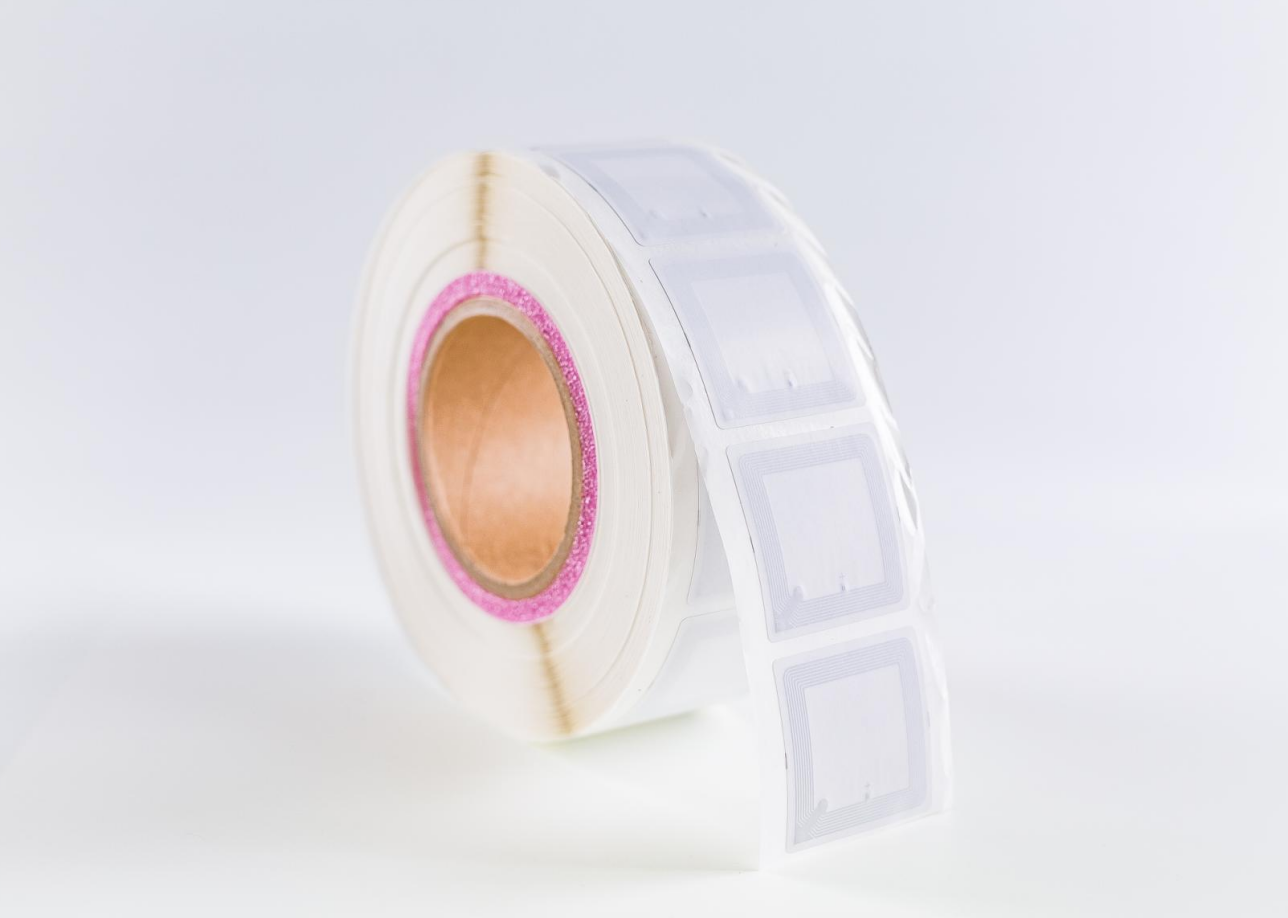
Stock audits have long been a reactive process, with discrepancies only surfacing days or weeks after they occur. Real-time visibility flips this entirely, turning audits into a continuous, proactive function. When every inventory movement is tracked instantly, the traditional wall-to-wall count becomes less about finding errors and more about validating a system that already knows its reality.
This shift also changes the auditor's role. Instead of combing through stacks of paperwork and spreadsheets, they can focus on exceptions and process improvements. The technology surfaces anomalies as they happen—a misplaced pallet, an unrecorded return—so that teams can act before small issues snowball into costly write-offs. It’s a move from periodic scorekeeping to daily inventory intelligence.
A Single Scan Covers Entire Collections
Imagine pulling a single book off the shelf and instantly having every page, every margin note, and every fold-out map digitized without ever opening the cover. That's the quiet revolution underway—a scanning method that captures entire bound volumes in one smooth, uninterrupted pass. Traditional digitization often meant disbinding delicate materials or painstakingly turning pages one by one, risking damage and losing the physical context. Now, advanced imaging systems can record a complete object from multiple angles in seconds, preserving not just the text but the three-dimensional character of the original artifact.
This approach is reshaping how archives think about accessibility. Instead of selecting a handful of highlights for a labor-intensive process, curators can scan an entire box of letters, a stack of newspapers, or a shelf of manuscripts with minimal handling. The result is a faithful digital twin that retains the tactile clues researchers often rely on—the thickness of paper, the way a binding catches the light, or handwritten corrections that peek out from the gutter. For institutions with massive backlogs, this shift from selective to comprehensive capture means more history moves from fragile storage to open, searchable databases without the decades-long wait.
What makes a single-scan solution truly transformative is the combination of speed and depth. Beyond surface-level text, these systems can capture underdrawings, erased annotations, or even layers of paint invisible to the naked eye. A medieval choir book, scanned just once, yields not only its musical notation but also the faint guidelines the scribe laid down centuries ago. Without the need to reposition the item or adjust settings between pages, the risk of human error drops, and the integrity of the original remains untouched. It's a quiet but profound change—moving from piecemeal digitization to holistic preservation, one scan at a time.
Eliminating Manual Counts Without Disrupting Displays
Imagine a retail floor where inventory checks happen silently in the background, never once interrupting the carefully arranged product displays. That’s the reality when you automate counting using smart shelf sensors or overhead cameras. Instead of employees walking the aisles with clipboards, the system quietly tracks stock levels, alerting staff only when a restock is actually needed. The visual merchandising remains pristine, and customers browse without ever seeing a disruption.
The real beauty lies in the data stream that flows from these non-intrusive systems. Managers no longer need to pause operations for time-consuming physical counts. Real-time insights mean you always know what’s selling and what’s sitting, so you can adjust layouts based on actual movement, not guesswork. And because the technology integrates into existing shelving or fixtures, there’s no bulky hardware ruining the store’s aesthetic. It’s a win for efficiency and for the customer experience.
Another often-overlooked advantage is the shift in staff morale. Freeing team members from repetitive counting tasks lets them focus on what really matters: helping customers and keeping the store buzzing. When the system handles the mundane, employees can engage more meaningfully, and that human touch becomes a competitive differentiator. Displays stay untouched, inventory stays accurate, and the store runs like a well-oiled machine—without anyone ever noticing the technology making it happen.
Protecting High-Value Pieces with Intelligent Alerts
In high-stakes environments, certain pieces on the board demand more than standard oversight. Intelligent alerts function like a dedicated guardian, continuously analyzing patterns and flagging subtle anomalies that could indicate a threat to your most critical assets. Instead of reacting to every minor fluctuation, the system learns what normal activity looks like for each high-value piece and only interrupts you when something genuinely unusual emerges.
Traditional monitoring often drowns teams in false positives, causing alert fatigue and missed signals. By contrast, smart alerting calibrates its sensitivity based on the significance of the asset and the context of its current position. It might ignore a routine exchange in a quiet sector but instantly escalate a minor shift near a vulnerable king or queen. This contextual awareness ensures that your attention is preserved for moments that truly matter.
The intelligence behind these alerts also adapts over time, recognizing evolving tactics and adjusting thresholds automatically. Whether it's a sudden cluster of activity around a critical data node or an uncharacteristic sequence of moves from a trusted user, the system correlates disparate signals into a coherent narrative. You receive concise, actionable notifications that include relevant details, empowering you to make swift decisions without spending hours sifting through logs.
Streamlining Reorders and Customer Requests
Managing repeat orders and incoming customer inquiries can quickly become overwhelming without the right approach. We've found that simplifying these workflows not only frees up time but also reduces mistakes that creep in with manual handling. Instead of juggling multiple emails and spreadsheets, our process integrates directly with the tools you already use, so everything from restock requests to order adjustments follows a clear, manageable path.
A big part of that ease comes from letting customers handle straightforward tasks on their own. Self-service options for reordering past purchases or checking on request status save back-and-forth conversations that drain your team's energy. When a shopper can pull up their history, pick what they need, and submit it in seconds, the entire transaction feels faster and more personal—even though it's automated. Behind the scenes, these actions trigger instant updates, eliminating the waiting game.
The payoff goes beyond just lighter workloads. Customers notice when repeat purchases take no effort, and they tend to come back sooner because the barrier is so low. Meanwhile, your team can focus on tricky cases that truly need a human touch rather than chasing down routine confirmations. It's a quiet shift that turns everyday logistics into a smooth, almost invisible part of the relationship.
FAQ
RFID enables jewelers to track every piece with nearly 100% accuracy, virtually eliminating manual counting errors.
With RFID, a full store inventory that once took hours or days can now be completed in minutes using handheld readers without handling each item.
RFID tags can be discreetly attached to jewelry, and the system instantly detects any missing or misplaced items, enhancing security and loss prevention.
Unlike barcodes that require line-of-sight scanning of each individual piece, RFID reads multiple tagged items simultaneously, reducing human error and oversight.
Yes, each RFID tag carries a unique identifier, so even identical-looking items are tracked separately, ensuring precise stock records.
RFID readers can continuously update inventory databases, allowing managers to see exact stock levels across all locations from a central dashboard at any moment.
The implementation is straightforward; tags are applied once, and the system works with existing POS and inventory software, requiring minimal staff training.
Customers benefit from faster service because salespeople can instantly verify stock and locate any piece without leaving the sales floor.
Conclusion
A jewelry company deploying RFID technology has completely overhauled its approach to inventory management, achieving a level of accuracy that manual methods could never touch. The system provides precision tracking that follows each item relentlessly from the showcase to the vault, creating a digital thread that records every movement. Real-time visibility transforms tedious stock audits into rapid snapshots of what’s actually in the store, with a single scan covering entire collections in moments. This eliminates the laborious manual counts that once forced staff to disrupt displays, rearranging pieces and risking damage—all while the store remains poised and customer-ready. Staff can now verify stock without touching a single piece, preserving the visual integrity of every case.
Intelligent alerts form a protective shield around high-value pieces, instantly flagging unauthorized movement or potential theft before it becomes a loss. This proactive security layer works hand-in-hand with inventory data to streamline reordering, automatically surfacing replenishment needs and accelerating responses to customer requests. Instead of sifting through records, associates can confirm availability on the spot and initiate orders that arrive precisely when needed. The result is a cohesive operation where accuracy, security, and customer satisfaction reinforce one another, freeing the business from the friction of outdated processes and allowing focus to stay where it belongs: on the jewelry itself.
Contact Us
Contact Person: Esme Mo
Email: [email protected]
Tel/WhatsApp: 0086 191 2931 7837
Website: https://www.osrfidglobal.com/