

Reliable Variable Data Inkjet Printer Benefits for Personalized Direct Mail Campaigns
2026-09-20
Personalized direct mail routinely outperforms generic print—but the printer you choose can make or break the campaign. A reliable variable data inkjet printer keeps names, offers, and images crisp at speed. Danmajet delivers that consistency, so every piece feels handcrafted even when you're mailing thousands.
Consistent Output That Protects Your Campaign Deadlines
Deadlines fall apart when output swings between quiet lulls and frantic pushes. A steady production rhythm lets you spot problems while there's still room to fix them—missing copy, unapproved visuals, a stakeholder who vanished mid-review. Consistency isn't about grinding out identical work; it's about removing the guesswork from what gets delivered and when, so the final week doesn't turn into a rescue mission.
Most campaign timelines don't fail because the work is hard. They fail because a single delay cascades through every downstream step. When handoffs happen at irregular intervals, reviewers can't plan their time, legal checks get stacked, and media buying waits on assets that were supposed to be final. Keeping output steady—even if each piece is smaller than you'd like—buys back the buffer you need before the launch date.
The teams that never miss deadlines aren't the ones with more hours. They're the ones who protect their calendars by refusing to let "it's just a draft" become an excuse for ambiguity. Each deliverable moves forward with clear status, and the next person in line knows what to expect. That predictability is what keeps a campaign on schedule when everything around it is shifting.
Variable Data Without the Downtime: A Reliability Edge
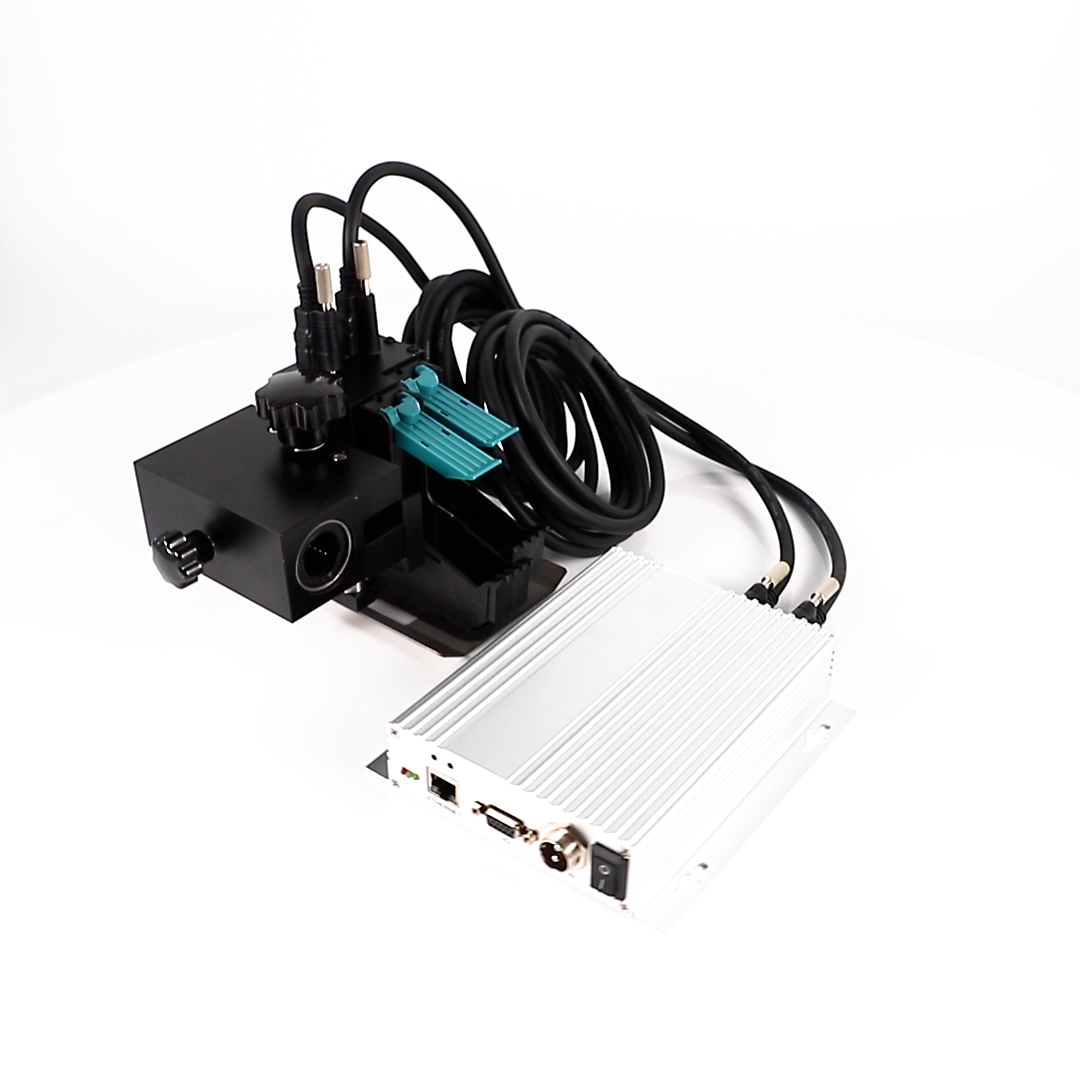
Ask anyone running transactional or direct-mail work what kills a shift, and variable data will be near the top. It is not the printer speed that matters when a misread barcode forces a reprint of 2,000 personalized letters. The reliability edge comes from two things working together: a data stream that stays locked to each sheet, and a feeder that handles mixed inserts without stalling. When those are solid, variable runs become boring in the best way—no alarms, no hand-sorting, no chasing a skipped record through a stack.
That kind of stability changes how a shop schedules. A 60,000-piece job with 12 different versions can run overnight and be ready for the morning mail pickup. Operators don't hover near the stop button; they load the next job. The edge isn't a spec on a sheet. It is the absence of the usual 45-minute recovery after a jam, multiplied across every job in the queue. That is how variable data turns from a liability into a daily advantage.
Error-Free Personalization for Every Single Mailpiece
Most personalization efforts fall apart in the details—swapped salutations, misaligned address blocks, or a discount code that doesn't match the recipient's history. Our approach treats each mailpiece as its own proof, not a batch assumption. Variable fields are cross-checked against a clean, deduplicated data set before anything reaches the press, and every merged record gets a visual inspection against the source file.
We use rule-based validation to catch anomalies that spell-check and manual review often miss: name-length mismatches, unexpected characters in postal routes, or offers that contradict a customer's opt-in preferences. When a record doesn't meet the threshold, it's flagged and corrected before printing—never quietly skipped or substituted with a generic placeholder.
The result is that personalization feels intentional rather than automated. From the first line of the address to the final call-to-action, each recipient sees only what was meant for them, with no leftover merge fields or awkward line breaks that reveal a template underneath.
Reduce Waste and Cost with Print-On-Demand Inkjet
Traditional label and packaging runs force you to guess demand, print thousands of units, and then store or scrap what doesn't sell. Print-on-demand inkjet flips that model: you produce exactly what's ordered, when it's ordered. That alone cuts warehouse space, reduces obsolete inventory write-offs, and frees up cash that would otherwise sit on shelves. For short runs, versioned campaigns, or regional SKUs, you stop paying for overruns and start paying only for the sheets that actually ship.
The cost math gets sharper when you factor in plate-free setup. Flexo and offset require plates, wash-ups, and makeready time, which makes small batches painfully expensive. Inkjet drops those fixed costs almost to zero. Want to run 200 labels for a test market or 50 cartons for a limited-edition flavor? You can. The press idles less, changeover drops from hours to minutes, and operators spend time on revenue work instead of cleaning stations. That's how digital print shops consistently beat traditional quotes on runs under a few thousand pieces.
Waste reduction goes beyond materials. With variable data and barcode-level tracking, you can print unique codes or regional compliance info without separate plates, eliminating the need for multiple label stocks or manual relabeling. Inkjet's water-based or UV-curable inks also produce fewer VOCs and less cleanup solvent compared to solvent flexo, which lowers disposal fees and keeps your facility audit-friendly. In practice, many converters report 20-40% lower total cost per label when switching mixed short-run work to inkjet, mostly because they stop throwing away money on unused inventory and excess setup time.
Data Security Features That Keep Customer Details Safe
Encryption at rest and in transit turns customer names, addresses, and payment details into unreadable ciphertext unless the correct decryption key is present. A stolen database or intercepted session does not automatically expose personal information.
Role-based access controls restrict who can view or edit sensitive fields. Most staff see only masked values or partial data, while full records remain available to a small set of authorized roles. Multi-factor authentication adds another barrier, blocking automated sign-in attempts even when a password has leaked.
From Spreadsheet to Mailbox: Streamlined Variable Printing
Most variable printing workflows collapse under their own weight: you export a list from Excel, wrestle it into a layout tool, then manually nudge every text box for each record. That friction disappears when the spreadsheet itself becomes the command center. Instead of copying and pasting, you map columns directly to placeholders in your template—names, addresses, coupon codes, even conditional images. The system reads each row as its own print job, applies the layout rules once, and renders hundreds or thousands of unique pieces without a single extra click.
What used to take an afternoon now happens while you refill your coffee. The real advantage isn't just speed, though—it's accuracy. Because the data never leaves the spreadsheet environment until the final merge, typos, skipped rows, and misaligned fields become nearly impossible. That means a run of postcards, labels, or membership cards can go from raw list to sealed envelopes with zero hand-checking in between. If a client updates a phone number at 4:55 PM, you swap the cell, hit print, and the corrected version is already in the tray.
The leap from rows and columns to finished mail pieces feels almost invisible—and that's the point. You're not learning a new design tool or babysitting a mail merge wizard. You keep your spreadsheet habits, add a template that respects your column names, and let the print engine do the heavy lifting. For small shops and solo operators, this turns variable printing from a specialist task into a routine step in the Friday afternoon queue.
FAQ
Variable data inkjet printing lets each mail piece carry unique text, images, or offers without slowing down the run. That means a single print job can speak directly to different recipients, which is exactly what personalization demands. The inkjet process handles quick data changes cleanly, so you avoid the setup costs and plates that traditional methods require.
When the printer runs consistently, your variable elements land where they should on every piece. Recipients notice when a mailer actually reflects their name, past purchases, or location. That kind of relevance pulls more people in than a generic flyer. Reliability also means fewer misprints, so the campaign reaches everyone it is supposed to.
Look for steady throughput, clear resolution on small text and barcodes, and simple software that handles your data fields without constant tweaking. Ink adhesion matters too, especially on coated stocks or envelopes. A printer that needs frequent cleaning or recalibration will eat into your schedule, so check how well it holds up over several hours of continuous use.
Yes, if the printer is built for production work. Modern inkjet heads maintain even droplet placement at speed, so a 50,000-piece run can look as sharp as a 500-piece test. The key is choosing a model with a duty cycle that matches your volume. Pushing a light-duty printer too hard leads to banding, smears, and downtime.
You can change names, addresses, offer codes, images, maps, QR codes, and even entire paragraphs from one piece to the next. Some campaigns adjust colors or layouts based on customer segments. The only real limit is how granular your data is. A good inkjet system reads the data file and applies those changes on the fly, without manual intervention.
Inkjet removes the need for printing plates and lengthy setup, so short and medium runs become affordable. You pay for ink and paper, not for prep work that only makes sense at huge quantities. That means you can test a few thousand personalized mailers, see what works, and adjust the next batch without wasting budget on outdated stock.
A personalized campaign has no room for a printer that jams mid-run or drifts out of alignment. If one recipient gets a blank offer code or a smeared name, the whole message falls flat. Reliable equipment keeps the data-to-print flow steady, so every variable lands exactly where it should. It also prevents the costly cycle of reprinting and rechecking that follows a breakdown.
The combination lets smaller brands act like big ones. You can send a few hundred mailers with unique messages and still meet a deadline. There is no minimum plate cost, so a local business can personalize postcards for different neighborhoods without overspending. Testing becomes easier too: you can run two versions of an offer in the same batch and compare results directly.
Conclusion
For direct mail campaigns that depend on personalized touches, a reliable variable data inkjet printer changes the workflow in practical ways. Instead of worrying about smudged addresses or stalled runs, teams can count on consistent output that keeps every deadline intact. The real advantage shows up when variable data flows without downtime—different names, offers, and images print continuously, so a single job doesn't turn into a technical headache. Because each mailpiece receives the correct personal details without manual checks, error-free personalization becomes the norm rather than the exception. This level of dependability also supports print-on-demand approaches, cutting waste from overruns and lowering cost per piece when you only produce what's needed for a specific audience segment.
Beyond speed and accuracy, data security features ensure customer details stay protected throughout the run, which matters when handling sensitive information like addresses or purchase history. The process itself feels streamlined: from spreadsheet to mailbox, variable printing removes repetitive setup steps and lets marketers focus on messaging instead of machine babysitting. Altogether, these benefits create a direct mail operation that respects budgets, timelines, and the trust customers place in your brand—without the usual friction of traditional printing methods.
Contact Us
Contact Person: Jacky
Email: [email protected]
Tel/WhatsApp: 086 15000607053
Website: https://www.danmajet.com