

Private Label Foot Spa Massager Options That Elevate Your Wellness Brand
2026-11-28
Wellness isn’t just about what you put on a shelf anymore. It’s about how you make people feel at the end of a long day. Foot spa massagers have quietly become a staple in recovery routines, but most brands still offer the same tired features and forgettable packaging. If you’re looking to stand out, the real difference comes down to thoughtful private label choices—heat settings that don’t overpromise, ergonomic tubs that fit real feet, and custom details that match your brand voice. With XINGBU, those choices become a lot more intentional. This guide breaks down the options that can actually elevate your wellness line, without the fluff.
Give the Tub Enough Room for Actual Toes
A lot of freestanding tubs get sold on looks alone, but once you step inside, the slope of the backrest and the curve of the basin leave your feet either jammed against the drain or awkwardly stacked on the rim. Before you fall for a sculpted silhouette, sit in the tub at the showroom if you can, or at least measure the flat floor space where your heels and toes would naturally rest. You want enough room for both feet to lie flat without touching the overflow or fighting the faucet, especially if someone taller plans to soak regularly.
A smarter move is to look past the overall length and focus on where the internal width actually starts. Many tubs taper sharply near the bottom, which looks elegant but squeezes your feet into a narrow trench. Give preference to designs with a consistent, gentle slope and a drain placed off to one side instead of dead center. If you love a particular model but the toe room feels tight, a small teak footrest or a rolled towel under the ankles can buy you an inch or two, though ideally the tub itself should do the work.
Treat this as a functional test, not a style compromise. Plenty of contemporary tubs offer generous internal dimensions without turning into a bulky spa shell, and your toes will notice the difference during a half-hour soak. When comparing options, imagine where your feet will land, how you shift when you recline, and whether the faucet location leaves any dead space in front of you. A tub that gives your toes room to stretch turns a daily ritual into something you actually look forward to, instead of a cramped afterthought.
Heat That Holds Through the Whole Soak
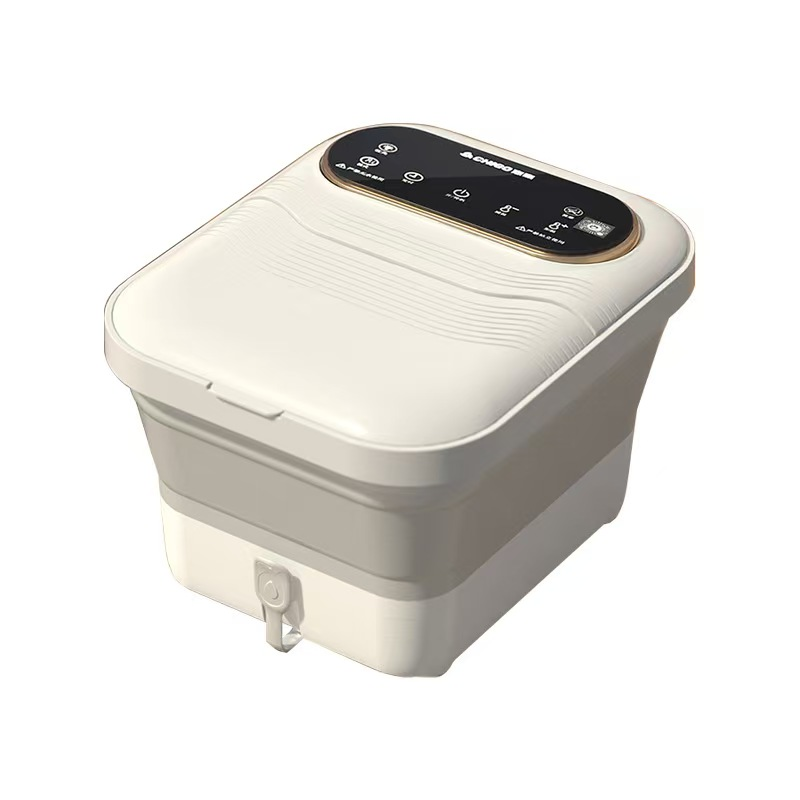
Most tubs do a decent job of starting hot and then quietly giving up about twenty minutes in. The difference here becomes obvious when you slide deeper at the forty-minute mark and the water still wraps around your shoulders with the same steady warmth it had at the start. It does not need another blast from the tap, and that alone changes how long you actually stay.
The heat retention comes from the way the shell and surrounding insulation work together. Instead of letting warmth bleed into the air or through the outer walls, the design keeps it moving gently back into the water. You notice it most in the middle of a long soak, when there is no cool layer forming near the surface and no sudden chill against your back.
That kind of consistent warmth makes it easier to settle into slower habits, whether you are reading a few chapters, working through tired legs, or just lying still while the day quiets down. The water stays warm enough to keep your muscles soft, so the soak ends on your schedule rather than on the temperature's schedule.
Matte Finishes and Colors That Quiet the Room
Some rooms seem to lower the volume the moment you step inside. It is rarely the furniture making that happen; it is the surfaces. Matte paint and low-sheen finishes absorb light instead of bouncing it around, which softens edges and makes walls feel further away. The difference is subtle until you compare it with a satin or gloss wall, which can make a space feel busy even before a single piece of decor goes up.
The colors that do this best are not necessarily pale, though they often lean muted. Chalky whites, warm greys, ash browns, dried sage, and clay tones tend to settle into a room rather than demand attention. When these shades are applied with a matte finish, they read more like fabric or stone than paint. A deep matte green in a study, for example, can feel as quiet as a library corner, while a flat plaster pink in a hallway softens the transition between rooms.
There is also a practical layer. Matte finishes hide minor wall imperfections that gloss would highlight, which keeps the eye from catching on small flaws and lets the room feel calmer. On cabinetry and doors, a low-sheen surface reduces the constant gleam that can make a kitchen or corridor feel restless. Paired with wood, wool, linen, or unfinished ceramics, these colors and textures hold the light gently and give the whole room a quieter pulse.
A Motor That Hums Below the Conversation
It never interrupts. It sits just beneath the rhythm of voices, a low mechanical breath that fills the pauses without asking for attention. You might notice it first as a texture rather than a sound, like the room itself has a pulse.
At speed, the hum leans forward slightly, then settles again when the conversation resumes. There is no whine, no rattle, no sudden change in pitch. Just a steady presence that makes silence feel less empty and speech feel easier.
Over time it becomes part of the background, the way a familiar clock becomes part of a house. The motor does not compete with the people in the cabin. It simply carries them along, quietly doing the work that lets everything else stay calm.
One Dial Beats Five Buttons on a Tired Night
There's a particular kind of exhaustion that settles in around 2 a.m. — the kind where even reaching for a phone feels like a negotiation. On nights like these, the idea of tapping through five separate controls just to get the room dark, quiet, and cool enough for sleep is its own small defeat. A single dial changes that math entirely. One turn, and the lamp dims, the fan slows, the phone screen goes black — no hunting for the right switch, no second-guessing which button does what.
It's not about laziness. It's about respecting the version of you that's running on fumes. Fumbling with multiple buttons forces a tired brain to switch contexts over and over, dragging you further from rest. A dial keeps things tactile and forgiving. You don't need to look, don't need to remember a sequence. Your hand finds it, turns it, and the room responds like it's on your side.
The real advantage shows up in the dark, half-asleep moments that make or break a night. Maybe you wake up too warm, or a sliver of light cuts across the pillow. With five buttons, you're weighing options, risking the wrong press, jolting yourself awake. With one dial, the adjustment is almost instinctive. You roll over, give it a slight turn, and sink back before you've fully opened your eyes. That's the difference between a device you operate and one that simply lets you rest.
Packaging That Feels Like a Gift Even When It’s a Personal Purchase
The box arrives with a soft-close lid and a sheet of thick, unprinted paper folded around the product as if someone wrapped it by hand at the end of a quiet afternoon. There is no loud branding on the outer carton, only a small debossed mark near the edge. You notice the weight before breaking the seal, and that subtle heft shifts the mood from routine delivery to something closer to an occasion.
Inside, the tissue is tinted a muted clay or sage rather than plain white, and the item sits snugly in a bed of recycled crinkle paper. A short card carries a single line of care guidance, which reads more like a note from the maker than a manual. The layers force you to slow down, and that small pause is exactly what a personal purchase rarely allows.
Even the details nobody else will see are handled with intent: the flap lifts without tearing, the inner walls hold a faint repeating pattern, and the closure feels secure without being excessive. These choices add little to the cost but make the transaction feel deliberate. You bought it for yourself, and the packaging still treats the moment as worth savoring.
FAQ
Look beyond standard heat and bubbles. Prioritize customizable massage nodes, quiet operation, a temperature range that feels therapeutic rather than just warm, and finishes that match your brand's tactile identity. The goal is a product that feels curated, not off the shelf.
Choose materials and details that signal intention: matte bamboo or stone-textured panels, removable liners for hygiene, and subtle controls. These touches let the product hold its own next to other premium recovery tools instead of reading as a generic appliance.
Focus on the areas users notice first: basin depth, roller pattern, heating presets, and the shape of the control panel. Custom colorways and discreet logo placement also help, but functional customization is what makes the difference memorable.
Yes. Some manufacturers offer low minimum order quantities with modular feature sets, so you can start with a focused model and refine as you learn what your clients actually use. This keeps inventory manageable while you build the line.
Let your client routine decide. If your brand emphasizes daily recovery, a simpler model with reliable heat and gentle vibration may be enough. If you position around deep relief, motorized rollers, adjustable intensity, and a longer cord matter more than extra presets.
Use molded inserts, a quick-start card with your brand voice, and minimal plastic wrap. A box that opens cleanly and can be stored flat after delivery adds a quiet sense of care before the product is even plugged in.
Avoid the common glossy white shell unless it matches your identity. Instead, combine an unexpected exterior finish with one signature functional detail, such as a specific roller shape or a warm-toned light that does not feel clinical. A single consistent detail carries more weight than several borrowed features.
Conclusion
A private label foot spa earns its place in a wellness line when the basin is shaped for actual feet, not just spec-sheet dimensions. Leaving enough interior width and depth means toes can spread, heels can settle, and the soak feels less like a chore. Paired with a heating element that maintains temperature through the entire session, the unit stops being a gimmick and starts behaving like a quiet ritual. The heat does not spike in the first five minutes and fade long before the soak should end; it stays steady enough that the user forgets the water is being warmed at all.
That sense of ease carries into the details buyers notice late at night. A matte, low-sheen finish in muted tones helps the spa sit calmly in a bathroom or living space instead of shouting for attention. The motor runs low enough to sit beneath soft conversation, and the controls collapse into a single dial that invites adjustment without demanding focus. Even the packaging can be made to feel like a considered gift, with tissue, molded inserts, or a reusable box that makes a personal purchase feel intentional. These choices give wellness brands a way to sell a foot spa that feels curated, calm, and quietly premium.
Contact Us
Contact Person: Hannah
Email: [email protected]
Tel/WhatsApp: +86 18266954198
Website: https://www.okmassager.com/