

Printed Long Pile Carpet: Which One Is Actually Worth Buying?
2026-09-20
A printed long pile carpet can be the statement piece your room is missing—until it starts to fade, mat, or shed after a few weeks. The market is flooded with options that look identical online, but the real differences hide in fiber density, print quality, and backing. That’s why we turned to Senseco to help us sort the genuinely durable picks from the overpriced impostors. Here’s what actually matters before you spend a cent.
The First Thing to Check Before You Fall for a Pretty Print
That gorgeous art print you just added to the cart might look flawless on screen, but the first thing worth checking is whether the source file can actually hold up at the size you want. A 1200-pixel-wide image stretched across a 24-inch frame will fall apart into soft edges and muddy details once it's printed. Before you fall for the colors and composition, zoom in on the file's resolution and ask if it sits at or near 300 DPI for the intended dimensions.
Many sellers list a small preview or a heavily compressed product photo, which says nothing about the real print file. If the listing doesn't clearly state the image dimensions or DPI, treat that as a warning. A pretty mockup is easy to make; a crisp large-format print is a different story.
Once you've confirmed the numbers, then you can let yourself enjoy the aesthetic side, the paper texture, the ink depth, the framing options. But checking resolution first saves you from ending up with an expensive blur.
Pile Height and Density Tell You More Than the Photos Do
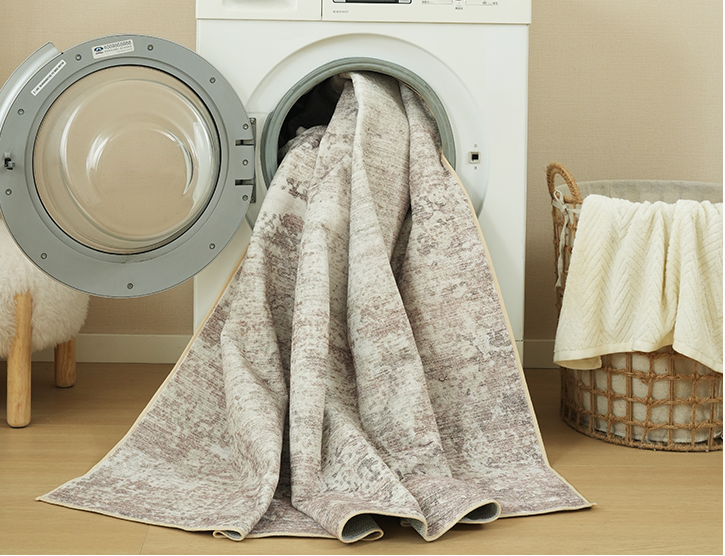
Photos can make any rug look plush, but the real story lives in the pile height and density. A low pile with high density often wears better in busy hallways than a fluffy high pile that crushes flat after a few months. Run your hand across a sample and you'll feel the difference immediately: dense, tightly packed fibers resist matting and keep their shape, while loosely woven piles show every footprint.
Pile height dictates the look and the maintenance. Short piles vacuum easily and don't trap pet hair as much, but they won't give you that sink-in softness. Tall piles feel luxurious underfoot, yet they demand more effort to keep clean and can hide dust deep down. Density is the quiet workhorse—two rugs with the same pile height can perform completely differently depending on how many fibers are packed into each square inch.
When comparing options, don't rely on product photos alone. Turn the rug over or part the fibers to check the backing and how closely the tufts are spaced. A high-density, low-pile rug often outlasts a taller, airier one, especially in high-traffic areas. That kind of detail won't show up in a wide-angle shot, but it's what you'll notice every day underfoot.
When Long Fibers Turn a Crisp Pattern into a Blurry Mess
Long fibers have a way of wandering where they shouldn't. Place a tightly drawn grid or a sharp geometric motif over a substrate filled with continuous strands, and those strands act like tiny light pipes, smearing edges and carrying ink away from its intended line. The result isn't just a slight softening—it's a genuine loss of definition that turns crisp vectors into something that looks out of focus.
Part of the problem is mechanical. Long fibers bridge across gaps that shorter ones would leave open, so when a pattern is printed or transferred, the material doesn't stay put. The fibers shift under pressure, dragging the pattern with them. At the same time, their length creates a capillary effect along the fiber surface, wicking liquids sideways and blurring boundaries that were meant to stay razor sharp.
You can see this most clearly when you compare two samples side by side. Short fibers keep a pattern locked in place because they don't have enough reach to pull neighboring areas together. Long fibers, though, connect distant points and distribute stress unevenly. That's why a design that looks perfect on paper turns into a foggy approximation the moment long fibers enter the equation.
What That Backing and Shedding Say About the Next Two Years
The pattern of backing and shedding rarely gets the attention it deserves. Over the past few quarters, major players have offered quiet support to short-duration debt and select commodity-linked assets, even as they trimmed exposure to long-dated bonds and rate-sensitive equities. That divergence is not random. It suggests portfolio managers are positioning for a stretch where inflation stays sticky, growth cools but does not collapse, and central banks are forced to keep policy tighter for longer than the futures curve implies.
Look closer at what is being shed. The heaviest selling has hit assets that thrived on near-zero rates and abundant liquidity: unprofitable tech, long-duration fixed income, and real estate plays with thin cash buffers. Meanwhile, the backing flows to cash-rich balance sheets, energy infrastructure, and select emerging markets with positive real yields. This rotation has been gradual, not panicked, which points to a strategic shift rather than a temporary hedge. If the next two years follow this script, investors should expect lower returns from broad beta and better opportunities in niche sectors where cash flow visibility trumps growth narratives.
The message for the coming period is straightforward but uncomfortable. Backing implies conviction in resilience; shedding implies doubt about duration and valuation. When both happen at once, the portfolio is being rebuilt for a slower, choppier cycle. Those who ignore the signal may find themselves holding yesterday's winners. Those who read it carefully will likely favor shorter maturities, real assets with pricing power, and companies that can self-fund without constant refinancing. The next two years will reward patience and punish leverage.
High Traffic Rooms Will Test a Printed Shag Carpet Fast
A printed shag carpet may look plush on day one, but put it in a hallway or family room and every footstep becomes a stress test. The long fibers catch grit, flatten under constant pressure, and quickly reveal whether the printed design sits on the surface or penetrates the pile. Within a few weeks, paths near doorways and sofa edges start showing a dull, packed-down trail that no vacuum can fully revive.
The real issue isn't just matting; it's contrast loss. Printed patterns rely on color applied to the tips of the yarn. Once those tips crush or wear, the pattern fades unevenly, leaving blotchy patches that make the whole room feel tired. In high-traffic zones, cheap backing also starts to flex and break down, causing the rug to ripple or slide even with a pad underneath.
If you still want the look, choose a low-pile printed rug or place a high-traffic runner over the main walkway. Rotate the carpet every month so no single lane takes all the abuse. But if it's a true shag with long, loose fibers, expect that busy rooms will age it fast and plan on replacing it sooner than the label suggests.
A Low Price Can Hide a Much Shorter Useful Life
The sticker price rarely tells the full story. A bargain tool, appliance, or garment can feel like a win at the checkout, but the real cost often shows up months later when seams split, motors burn out, or plastic housings crack. Retailers know that a low upfront number catches the eye, yet manufacturers who compete only on price have every incentive to cut corners where it matters most: thinner materials, weaker solder joints, and fewer quality checks.
Consider two seemingly identical kitchen mixers. One sells for $40, the other for $180. The cheaper model may work fine for light tasks, but its plastic gears wear down after a few dozen batches of bread dough. The pricier version uses metal gears and a brushless motor, easily lasting a decade or more. Replace the $40 mixer three or four times and you've spent more than the durable option—while also adding waste to a landfill.
This isn't to say every expensive product is well made, or that all budget buys are junk. But before celebrating a low price, ask what was traded away to reach it. A shorter useful life may be the hidden price tag, and the most economical choice is often the one you don't have to replace.
FAQ
Focusing only on the pattern and ignoring the backing. A flimsy backing is the fastest way to end up with a carpet that shifts, wrinkles, or sheds within months. Flip the sample over before buying — if the backing feels paper-thin or you can see loose threads, walk away.
Look for images that show the carpet at an angle, not just straight down. Cheap printing sits only on the tips of the fibers, so the design breaks apart when the pile bends. If the manufacturer doesn't show angled close-ups or mention heat-transfer printing, assume the pattern will look faded after a few vacuums.
A nylon or polyester blend with a high twist level tends to hold printed color better and bounce back after foot traffic. Avoid anything labeled 'acrylic' in a long pile carpet for high-use areas — it mats down quickly and makes the print look smeared.
Not really. Pile height over about 1.5 inches starts to feel unstable underfoot and traps far more dust. For a printed design, a medium-high pile around 0.75 to 1 inch gives you the softness without hiding the pattern or becoming a cleaning nightmare.
Use a vacuum with the beater bar turned off. The spinning brush tears at long fibers and makes the printed surface look dull. For spills, blot with a dry cloth first, then use a mild detergent mixed with lukewarm water — never hot water, which can loosen the print adhesive.
Overstock sections at mid-range home stores are often better than budget online marketplaces. The key is to buy during off-season months — late spring and early fall — when demand drops and prices get cut by 30% or more without sacrificing the return policy.
If you have pets that shed heavily or young kids who spill juice daily, skip it. Long pile carpets hold hair and stains deep in the fibers, and the printed design makes any stain look ten times worse. In that case, a low-pile printed rug or a solid color is far less frustrating.
Conclusion
Before buying, inspect the print quality and fiber characteristics. Many shoppers get drawn in by a striking design, but the real test is how the pattern holds up once the fibers are long. Pile height and density play a bigger role than online photos suggest; a dense, shorter pile often keeps the print sharp, while long, loosely packed fibers can turn crisp lines into a blurry mess. Check the backing and ask about shedding—poorly attached fibers or excessive initial shedding hint at trouble within the first two years. A printed shag carpet may look plush, but if the backing is flimsy and fibers pull out easily, the pattern will degrade quickly in real use.
High traffic rooms expose weaknesses fast. If you plan to put it in a hallway or living room, expect matting, flattening, and color wear in a few months unless the carpet is built for that. A low price might seem like a bargain, but it often means thinner yarn, cheaper backing, or less durable printing that shortens useful life significantly. The smart choice is to prioritize construction over looks: choose a carpet with enough density to support the long pile, a stable backing that doesn't crack, and a print method that won't fade or blur under foot traffic. Spending a bit more upfront usually pays off if you want the design to stay legible and the fibers to remain comfortable beyond two years.
Contact Us
Contact Person: Ivy Yin
Email: [email protected]
Tel/WhatsApp: +86 18519681805
Website: https://www.sensecomarketing.com/