

Polymer-Based Dust Suppressants for Effective Eco-Friendly Dust Control
2026-07-19
Dust is more than just a nuisance—it's a serious environmental and health hazard that plagues industries from mining to construction. Traditional control methods often fall short, being either ineffective or harmful to the ecosystem. Enter polymer-based dust suppressants: a smart, sustainable solution that binds particles at the surface without toxic residue. At the forefront of this innovation is MST, delivering advanced formulations that offer lasting dust control while meeting strict eco-friendly standards. But how exactly do these polymers work, and what makes them stand out in real-world applications? Let's explore the science behind cleaner air and safer worksites.
Understanding Polymer-Based Dust Suppression Technology
Polymer-based dust suppression works by altering the physical properties of dust particles at the surface level. Instead of simply wetting the material, these formulations create a flexible, durable crust that binds fine particles together. When applied to soil, gravel, or stockpiles, the polymer chains intertwine with the substrate, forming a cohesive barrier that resists wind erosion and traffic disruption. This mechanical interlocking is the key difference from conventional water or chloride treatments, which rely on temporary moisture or hygroscopic effects.
The chemistry behind these suppressants typically involves long-chain synthetic polymers or modified biopolymers. Once diluted and sprayed, they penetrate the top layer and begin to cure upon evaporation of the carrier water. The resulting film or crust can remain effective for months, depending on environmental conditions and application rate. Some formulations are engineered to be semi-permeable, allowing rain to pass through without washing away the bonded matrix—a common failure point for simpler crusting agents.
Field performance depends heavily on tailoring the polymer type to the local soil mineralogy and climate. For instance, anionic polymers work well with positively charged clay particles, while non-ionic variants suit siliceous materials. Application parameters like dilution ratio, curing time, and spray pattern also influence longevity. When properly matched, polymer suppression reduces not only visible dust but also respirable crystalline silica, addressing both regulatory compliance and worker safety without frequent reapplication cycles.
Key Benefits of Eco-Friendly Dust Control Solutions
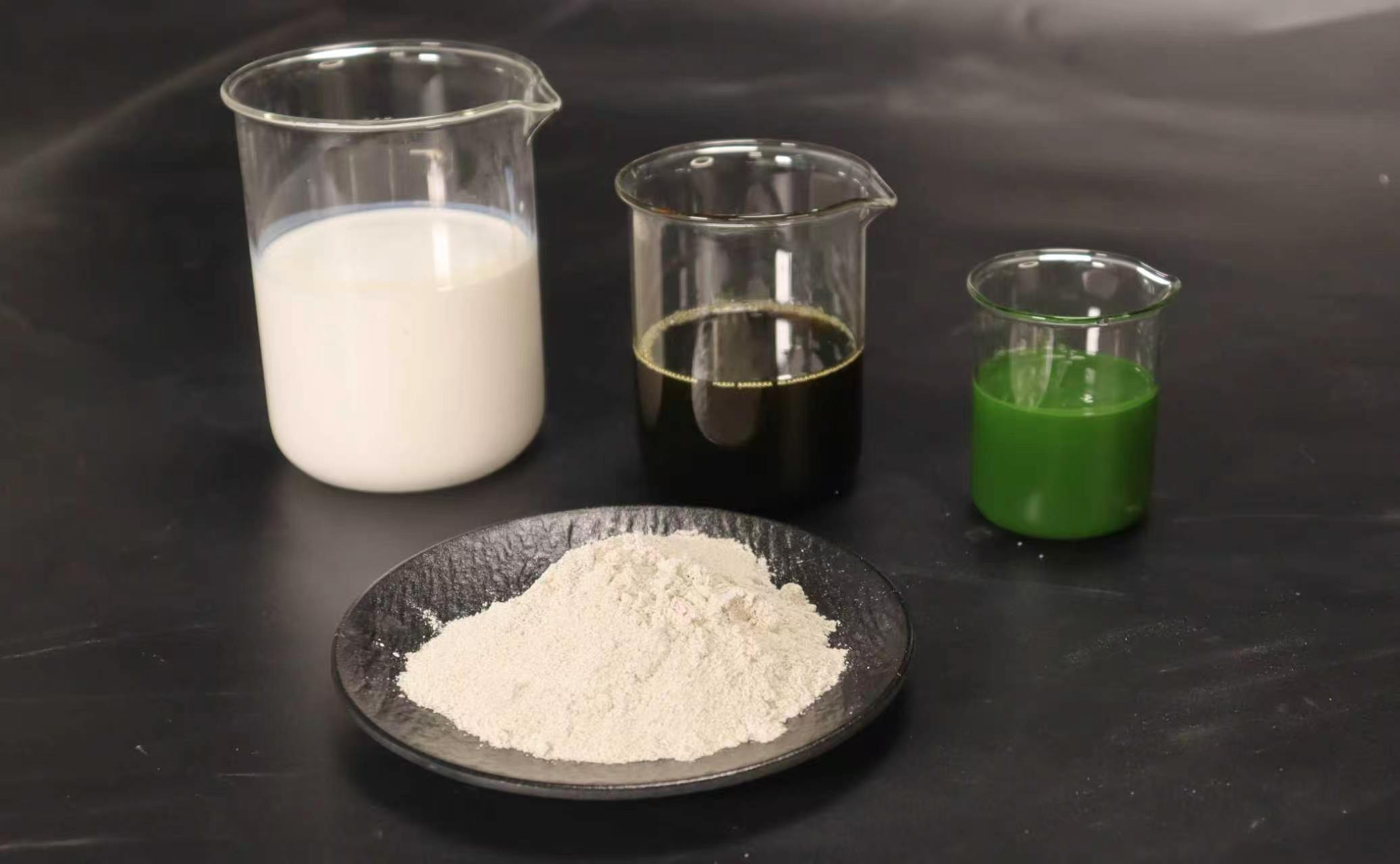
Switching to eco-friendly dust control isn't just about checking a green box—it fundamentally changes how sites manage airborne particles without relying on harsh chemicals. These solutions often use plant-based binders or water-retentive polymers that grab onto dust and keep it down longer, meaning fewer reapplications and less water waste. For project managers tired of constant re-spraying, that reliability translates directly into lower labor costs and smoother day-to-day operations.
Beyond the obvious environmental upsides, there's a human element that gets overlooked: workers breathe easier and neighboring communities stop complaining. Traditional suppressants can introduce respiratory irritants or contaminate runoff, but biodegradable alternatives break down harmlessly. When you don't have to worry about chemical exposure lawsuits or EPA scrutiny, the peace of mind becomes a real, measurable benefit—especially on long-term projects where cumulative effects pile up.
What really sets these products apart is their adaptability across different soil types and climates. Instead of a one-size-fits-all approach, modern formulations can be tailored to lock in surface moisture on gravel roads, stabilize stockpiles in arid zones, or even work in freezing temperatures without losing effectiveness. That flexibility means you're not constantly swapping products or dealing with surprise failures after a rainstorm—and that kind of reliability is what actually keeps projects on schedule and within budget.
How Polymer Suppressants Outperform Traditional Methods
Conventional dust control often relies on water trucks or basic foam sprays, but these temporary solutions break down quickly under heat and traffic. Water evaporates fast, demanding constant reapplication and wasting huge volumes. Foam offers slight improvement, yet its structure collapses as soon as it dries, leaving surfaces unprotected within hours. The logistical strain and resource drain make these methods impractical for long-term projects or arid regions.
Polymer suppressants work differently by forming a flexible, tenacious crust over loose particles. Once applied, the liquid polymer seeps into the surface layer and cures into a durable shield that locks dust in place. Unlike water, this film resists UV exposure and abrasion, slashing the need for frequent retreatments. It also eliminates the excessive groundwater usage and runoff pollution associated with traditional spraying, aligning with tighter environmental mandates.
Beyond simply lasting longer, polymer technology cuts total operational costs dramatically. Mine sites and construction yards report fewer passes with water trucks, less downtime for road grading, and reduced wear on vehicles since airborne grit is minimized. The single-application efficiency turns dust suppression from a recurring chore into a strategic, low-maintenance asset, giving operators peace of mind even in the driest, windiest conditions.
Applications Across Industries and Environments
From the controlled chaos of busy kitchens to the hushed corridors of hospitals, the adaptability of modern technology reveals itself in surprising ways. In food service, smart sensors embedded in equipment quietly track temperature fluctuations, ensuring that perishable goods remain safe without anyone needing to pause and check a thermometer. Meanwhile, construction sites leverage augmented reality overlays to map underground utilities before a single shovel hits the dirt, preventing costly accidents and days of rework. These aren't futuristic fantasies—they're everyday realities in sectors that have learned to weave digital threads into their physical workflows.
The true magic, however, lies in how these tools morph to meet the specific demands of each setting. A logistics hub buzzing with forklifts and conveyor belts might rely on ruggedized tablets that laugh off dust and vibration, syncing inventory counts in real time as pallets zip toward loading docks. Step into a vineyard, and you'll find drones scanning leaf temperatures to pinpoint water stress, letting vintners coax the best from each vine without wasting a drop. It’s about machines and software bending themselves around human needs, not the other way around, which is what separates a successful deployment from a drawer full of unused gadgets.
Perhaps most striking is the way environmental extremes have become breeding grounds for innovation rather than barriers. Offshore oil rigs battered by salt spray and gale-force winds now depend on corrosion-resistant robotics to inspect pipelines that no diver could safely reach. At the opposite end of the spectrum, Antarctic research stations utilize AI-driven power management systems that stretch every watt of solar and wind energy through months of darkness. These examples underscore a quiet revolution: the line between “industrial” and “natural” environments grows blurrier by the day, as technology grows resilient enough to serve in both, reshaping not just how we work, but where we can work at all.
Environmental Impact and Safety Considerations
When evaluating the environmental footprint of any industrial process, it’s impossible to ignore the cascade of effects tied to raw material extraction. The sourcing of rare earth elements, for instance, often leaves behind a trail of habitat disruption and water contamination that far outlasts the immediate mining operations. What makes this particularly concerning is the long-term leaching of toxic byproducts into surrounding ecosystems, a problem that’s frequently underestimated in lifecycle assessments. Beyond extraction, the energy intensity of refinement processes adds another layer of carbon emissions that rarely gets the attention it deserves.
Safety considerations tend to be framed around immediate workplace hazards, but a more holistic view reveals risks that extend well beyond factory floors. Chemical handling protocols, while essential, don’t fully address the chronic exposure risks that workers face over years of routine contact with low-level toxins. There’s also the overlooked issue of equipment degradation—corrosion and wear that can lead to sudden failures with catastrophic environmental consequences. A truly robust safety culture demands not just compliance checkboxes, but a proactive engineering mindset that designs out hazards before they become incidents.
The interplay between environmental impact and safety often surfaces in waste management practices. For example, landfill disposal of certain materials might seem cost-effective in the short term, but the slow release of greenhouse gases and leachate generation creates a deferred safety crisis for nearby communities. Alternative methods like high-temperature treatment present their own puzzles: they neutralize some hazards while potentially generating airborne pollutants that demand sophisticated scrubbing systems. Navigating these trade-offs requires a willingness to look beyond simplified metrics and embrace the messy, interconnected reality of industrial ecology.
Choosing the Right Polymer Formulation for Your Needs
Selecting a polymer isn't just about picking a name out of a catalog. It starts with the environment your product will face—temperature swings, chemical exposure, UV light, or constant moisture. A material that thrives indoors might crack or fade quickly under harsh outdoor conditions. This step is often where intuition can fail, so leaning on real-world test data rather than generic spec sheets can save you from costly rework later on.
Beyond durability, the way a polymer flows and sets during manufacturing shapes everything from part quality to cycle times. Viscosity, shrinkage, and melt stability matter as much as tensile strength. And let’s not forget the human element: regulatory requirements, color consistency, and supplier reliability can make or break a project. Sometimes the best formulation is the one that works with your existing tooling and team expertise, not the latest high-performance resin that demands a complete process overhaul.
FAQ
They are liquid formulations containing polymer chains that bind fine dust particles together upon application. When sprayed onto dusty surfaces, the polymers form a flexible, durable crust or film, preventing particulate matter from becoming airborne even under traffic or wind.
Synthetic polymers like polyvinyl acetate (PVA), polyacrylic acid (PAA), and polymer emulsions are widely used. Bio-based options such as lignin, starch, chitosan, and cellulose derivatives are also popular for their biodegradability and low ecotoxicity.
Unlike water, which evaporates quickly and requires constant reapplication, polymers create a long-lasting cohesive layer that remains effective for weeks or months. They also reduce water consumption significantly and don't leave surfaces muddy or slippery after drying.
Many modern formulations are designed to be biodegradable, non-toxic, and non-corrosive. They minimize fugitive dust without introducing harmful chemicals into soil or waterways, and their durability reduces the frequency of reapplication, lowering the overall environmental footprint.
Mining, construction, road maintenance, and agriculture see significant benefits. They're also used on unpaved haul roads, tailings ponds, stockpiles, and in tunneling operations where airborne dust poses health risks and reduces visibility.
Performance can vary with soil type, humidity, and application technique. Some polymers may degrade under intense UV exposure or heavy rainfall. Proper surface preparation and curing time are essential for optimal results, and cost may be higher upfront compared to water alone.
Conclusion
Polymer-based dust suppression technology offers a modern approach to controlling airborne particulates by binding soil and aggregate particles at the surface. Unlike conventional water or salt solutions, these advanced formulations create a durable, flexible crust that resists wind erosion and traffic wear, significantly reducing frequent reapplication. The science lies in long-chain polymer molecules that interlock with surface materials, forming a cohesive matrix that traps dust even under dry conditions. This not only stabilizes unpaved roads, mining sites, and construction zones but also mitigates health risks and visibility hazards. As industries shift toward sustainable practices, the demand for eco-friendly dust control solutions has grown, with polymers emerging as a key component due to their low toxicity, biodegradability, and compatibility with natural landscapes.
These suppressants outperform traditional methods by providing longer-lasting control with minimal water usage, making them ideal for arid regions or water-scarce operations. They can be tailored to specific soil types, climates, and load requirements, ensuring optimal performance across diverse applications—from agricultural fields and military bases to recreational trails. Beyond performance, environmental impact and safety are paramount; well-engineered polymer formulations avoid harmful runoff and are safe for vegetation, wildlife, and human contact. Selecting the right product involves assessing factors like soil composition, precipitation patterns, and intended durability. By integrating polymer-based solutions, industries achieve effective dust abatement while upholding environmental stewardship, paving the way for cleaner air and healthier communities.
Contact Us
Contact Person: Helen
Email: [email protected]
Tel/WhatsApp: 86 18630661160
Website: https://www.roadmilestone.com/