

High Quality TFT LCD Displays: Key Features and Benefits Explained
2026-05-12
When it comes to vibrant and dependable displays, TFT LCD technology leads the pack—but not all screens are created equal. In this article, we'll break down the key features and benefits that define high-quality TFT LCDs, and show how Jingda-Display delivers cutting-edge solutions your projects deserve. Let's uncover what makes a premium display truly stand out.
Where Pixel Count Meets Real-World Sharpness
You’ve probably seen the spec sheets: a smartphone boasting a 108-megapixel sensor, or a full-frame camera pushing 60 megapixels. The promise is always the same—more pixels equals more detail, and therefore sharper images. But if you’ve ever compared a high-megapixel shot to one from a lower-resolution camera with a brilliant lens, you’ll know the truth isn’t so simple. Pixel count is just the starting point; actual sharpness depends on how well those pixels capture what the optics deliver.
Real-world sharpness comes alive at the intersection of sensor resolution and lens performance. A dense sensor can only resolve what the glass in front of it can project, and even the most advanced algorithms can’t fully compensate for soft optics or diffraction creeping in at narrow apertures. It’s here, where the raw pixel tally meets the limitations and strengths of real hardware, that you discover what your setup can truly do—sometimes a 24-megapixel camera with a top-tier lens will out-resolve a 50-megapixel one with a mediocre kit lens.
Beyond the hardware, how you shoot matters just as much. Handheld instability, subject motion, and focusing errors can strip away the theoretical advantage of extra megapixels instantly. When pixel count meets real-world sharpness, it’s a conversation about balance: understanding that resolution is a tool, not a guarantee, and that the sharpest images come from knowing how to align every element—from your shutter speed to your glass—to make those pixels count.
Decoding Color Gamuts: How Displays Achieve Lifelike Hues
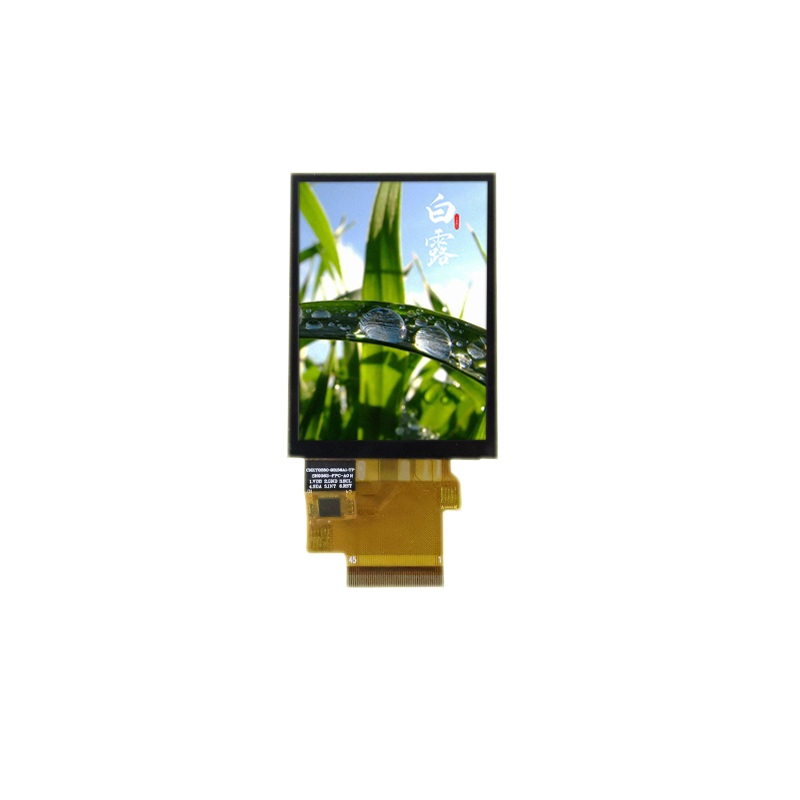
Color gamuts essentially define the range of colors a display can reproduce, acting as a bridge between the digital instructions sent by a device and the vibrant images we see on screen. Every pixel is commanded to light up with specific red, green, and blue intensities, but the actual shade that appears depends heavily on how the display interprets those numbers. A wider gamut means the screen can reach more saturated reds, deeper blues, and more luminous greens, bringing images closer to what the human eye experiences in the natural world. Without a defined gamut, the same RGB values could look completely different on two monitors, making creative work and media consumption inconsistent.
Achieving lifelike hues isn’t just a matter of throwing more phosphors or quantum dots into the panel; it requires precise calibration and sophisticated color management. Displays use backlight technologies—like white LEDs enhanced with quantum dots or pure RGB lasers—to expand the achievable color space beyond the older sRGB standard into DCI-P3 or even Rec. 2020. But hardware alone is not enough. The signal chain must intelligently map incoming content to the display’s native capabilities, avoiding oversaturation or clipping. This mapping, often guided by tone curves and lookup tables, ensures that a filmmaker’s carefully graded sunset looks just as dramatic and nuanced on a high-end TV or a smartphone, preserving artistic intent while leveraging every ounce of the panel’s potential.
How a display handles out-of-gamut colors reveals much about its sophistication. Instead of simply maxing out a channel, modern processors blend neighboring colors or employ perceptual rendering intents, so a floral close-up doesn’t turn into a blotchy mess. Ambient light sensors and user brightness preferences add further complexity: a color that looks perfect in a dark room might appear washed out under bright sunlight, pushing the system to adapt the gamut dynamically. Ultimately, lifelike reproduction is a dance between physics, engineering, and perception—a constant effort to trick the eye into seeing what the camera saw, and maybe even a little more.
The Need for Speed: Response Time and Motion Clarity
When you're deep in a competitive match, every millisecond counts. Response time dictates how quickly a pixel can shift from one shade to another, directly impacting motion clarity. A sluggish panel leaves behind ghostly trails that blur fast-moving objects, turning a crisp headshot opportunity into a frustrating miss.
Modern displays often push 1ms GTG figures, but those numbers don't always tell the full story. Overdrive tricks can introduce inverse ghosting or overshoot, creating unnatural halos around moving edges. The real test comes in practice—watch a scrolling map or a sprinting character. If details stay sharp without artifacts, the panel delivers where it matters.
Gamers aren't the only ones who benefit. Anyone watching high-speed sports or fast-action films will notice the difference. Smooth motion without smearing keeps the image connected to the action, preserving the director's intent and the athlete's split-second moves. It's a subtle quality that separates a good screen from a great one.
Brightness and Contrast: Making Screens Readable Anywhere
Struggling to see your screen under bright sunlight or in a dimly lit room? The key lies in how brightness and contrast work together. Brightness controls the overall light output, while contrast defines the difference between the darkest and lightest parts of the display. When these are tuned correctly, text remains crisp and images stay vivid, reducing eye strain no matter the environment.
Adaptive brightness features now go beyond simple light sensors—they learn your preferences over time, subtly adjusting based on ambient conditions and your typical usage patterns. Meanwhile, a high contrast ratio ensures that details don't wash out in glare or get lost in shadows. For those who spend hours reading on a screen, investing in a device with deep blacks and wide dynamic range can make all the difference between a headache-inducing session and a comfortable, immersive experience.
Viewing Angles Unleashed: Share Your Screen Without Dimming
Ever tried showing a video to friends huddled around your phone, only to have the screen go annoyingly dark or the colors wash out as soon as they tilt their heads? It's a common frustration baked into most displays, but it doesn't have to be this way. New screen-sharing tech keeps everything crisp and bright no matter where people are sitting—no awkward elbow jostling required.
The secret lies in a combination of adaptive brightness control and smart polarization. Instead of dimming the entire panel when viewed off-center, the display fine-tunes pixel illumination in real time. This means the vibrant details you see head-on stay just as punchy for someone glancing from the side—movies, photos, or presentations looking equally sharp across a wider arc.
What seals the deal is how this works without you having to touch any settings. The screen senses ambient light and viewer positions, then adjusts the output constantly. So whether you're passing around a meme at a party or collaborating on a document at a café table, the view stays unfettered. It’s like having a portable monitor that refuses to play favorites with angles.
Built to Last: The Overlooked Benefits of Durability and Efficiency
We often chase the newest, shiniest upgrades, but a quieter kind of value hides in plain sight: things that simply endure. A well-stitched jacket, a cast-iron skillet passed down, a house frame that doesn’t groan with age—these aren’t just objects. They’re quiet refusals of a throwaway culture. Long-lasting design shifts our relationship from constant replacement to steady care. That shift tucks a surprising amount of money back into our pockets over time, but more than that, it frees us from the mental noise of perpetual shopping and decision fatigue.
Efficiency often gets lumped in with sustainability buzzwords, yet its practical charm is deeply personal. An appliance that sips electricity, a pair of boots resoled instead of discarded, a kitchen workflow that wastes fewer steps—these small efficiencies accumulate. They smooth the friction of daily routines, leaving more energy for what actually matters. The real overlooked bonus is how efficiency and durability feed each other: a motor built with tighter tolerances runs cooler and lasts far longer, while a garment made from robust fibers holds its shape without constant ironing or replacement. You’re not just saving resources; you’re buying back time and attention.
There’s also something deeply satisfying about objects that age gracefully. Leather that develops a patina, wood that darkens warmly with years of handling, tools that fit your grip better each season—they tell a story no brand-new item can replicate. This isn’t nostalgia; it’s a practical aesthetic that turns maintenance into a quiet ritual rather than a chore. When we choose durability, we’re choosing a backdrop for life that doesn’t constantly demand center stage, and that, perhaps, is the most overlooked benefit of all.
FAQ
Unlike older passive matrix displays, TFT (thin-film transistor) LCDs use an active matrix of tiny transistors to individually control each pixel. This leads to much sharper images, faster response times, and significantly better color accuracy, making them ideal for everything from industrial control panels to high-end medical monitors.
Viewing angles determine how well you can see the screen from off-center positions—critical in multi-user or constantly moving environments. Premium TFT displays often use IPS (In-Plane Switching) or similar technology to maintain consistent brightness and color even at wide angles up to 178°, ensuring readability from almost any direction without distortion.
High brightness, often measured in nits, is essential for screens used under direct sunlight or bright indoor lighting. Quality TFT LCDs can reach 1000 nits or more, combined with optically bonded anti-glare coatings, which reduce reflections and keep the display legible without washing out colors.
Contrast ratio is the difference between the darkest black and the brightest white a screen can show. A higher ratio, like 1000:1 or better, means deeper blacks and more vivid details in shadows—crucial for applications like medical imaging or outdoor signage where subtle grayscale distinctions matter.
Today’s high-quality TFTs are built with rugged materials, often including chemically strengthened glass and robust bezel designs. Many meet industrial standards for shock, vibration, and extreme temperatures, making them reliable in automotive dashboards, factory floor HMIs, or portable field equipment without frequent failures.
Modern TFT modules can seamlessly integrate projective capacitive (PCAP) or resistive touch layers directly into the stack. PCAP offers multi-touch gestures and gloved-hand operation while maintaining optical clarity, streamlining user interaction in kiosks, medical devices, and smart home panels.
Absolutely. Off-the-shelf panels often don’t fit unique enclosures or performance needs. Custom options—like tailored resolutions, specific interface connectors (LVDS, MIPI), and optical bonding—ensure the display integrates perfectly with the device, reducing development time and improving end-user experience in niche markets.
Conclusion
High-quality TFT LCDs bring visual precision to life through an intricate balance of pixel density, vibrant color reproduction, and snappy response times. When a display boasts a fine pixel count, individual dots vanish, leaving behind crisp text and lifelike images that remain sharp even under close scrutiny—essential for everything from detailed design work to immersive gaming. Beneath the surface, advanced color gamut engineering pushes past standard sRGB to cover DCI-P3 or Adobe RGB, rendering hues that mirror the real world with subtle gradations and accurate skin tones. Motion performance is equally critical; fast response times eliminate ghosting and blur, ensuring that fast-paced content appears fluid rather than smeared, a benefit that casual viewers and competitive gamers alike will appreciate.
Practicality, however, extends far beyond the panel itself. Superior brightness and contrast ratios make screens readable under harsh sunlight or in dim rooms without sacrificing black depth, while wide viewing angles preserve color and brightness consistency when sharing content with others. These displays are also built to endure, with robust constructions and energy-efficient backlights that lower heat output and power consumption—advantages that translate to longer lifespan and reduced environmental impact without compromising everyday performance. Together, these qualities create a display that doesn’t just look good on a spec sheet, but feels effortlessly reliable in daily use.
Contact Us
Contact Person: Vincent
Email: [email protected]
Tel/WhatsApp: 86 135 5485 1379
Website: https://www.jda-display.com/