
Exploring Sanitary Pad Manufacturing Machines in China: Innovations and Efficiency
2026-03-07
In the dynamic landscape of feminine hygiene production, China stands at the forefront of innovation, driving advancements in sanitary pad manufacturing machines that redefine efficiency and sustainability. As the demand for high-quality, eco-friendly products grows globally, these cutting-edge technologies not only streamline production but also empower brands to meet evolving consumer needs. At Womeng, we delve into the heart of this transformation, exploring how state-of-the-art machinery—from automated assembly lines to precision engineering—reshapes the industry. Join us on a journey through the latest breakthroughs and operational insights, uncovering what makes China a hub for manufacturing excellence and how it fuels the future of personal care.
Anatomy of Modern Sanitary Pad Production Lines in China
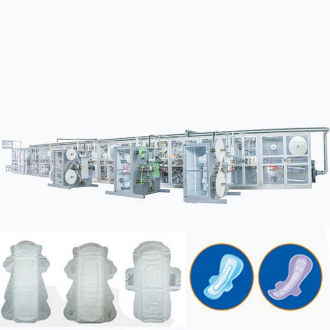
In China's thriving hygiene products sector, modern sanitary pad production lines showcase a blend of cutting-edge technology and meticulous efficiency. These facilities are typically segmented into core stages: raw material preparation, absorbent core assembly, coverstock lamination, shaping and cutting, and final packaging. What sets China's lines apart is their heavy reliance on automated machinery, such as high-speed converters that seamlessly integrate multiple layers—from the breathable top sheet to the moisture-proof back sheet—in a continuous flow. This automation not only boosts output, often exceeding thousands of units per minute, but also ensures consistent quality control with minimal human intervention. Many factories have adopted smart sensors and real-time monitoring systems to detect defects early, reducing waste and enhancing product reliability for both domestic and global markets.
A key highlight in Chinese production lines is the innovation in absorbent core technology, where super-absorbent polymers (SAP) are precisely distributed to optimize fluid retention and comfort. Unlike older methods, modern setups use advanced dosing systems that adjust material ratios on the fly, catering to diverse product variants like ultra-thin or overnight pads. Additionally, eco-friendly trends are reshaping these lines, with some manufacturers integrating biodegradable materials and energy-efficient processes to appeal to environmentally conscious consumers. This adaptability allows Chinese producers to quickly respond to shifting market demands, from basic pads to premium offerings with features like odor control or enhanced breathability.
Beyond machinery, China's sanitary pad production benefits from robust supply chain networks and skilled labor pools in regions like Guangdong and Zhejiang. The lines are often designed with modular flexibility, enabling quick retooling for new designs or sizes without major downtime. In practice, this means a factory might switch from producing standard pads to specialized ones for sports or sensitive skin in mere hours. Coupled with stringent hygiene protocols and certifications, these production lines underscore China's role as a global leader, blending speed, precision, and innovation to meet the nuanced needs of modern users while maintaining competitive costs.
Revolutionizing Hygiene: Key Technological Breakthroughs in Chinese Manufacturing
Chinese manufacturing has dramatically transformed global hygiene standards by integrating cutting-edge technologies like automation and AI. For instance, factories now deploy smart robots for precision cleaning and sterilization, reducing human error and enhancing efficiency in sectors from healthcare to food processing. This shift isn't just about speed; it reflects a deep commitment to quality control, with real-time monitoring systems ensuring every product meets rigorous hygiene protocols.
Innovations in materials and processes are also pivotal. Breakthroughs in antimicrobial coatings and nanotechnology have led to durable, self-sanitizing surfaces in medical devices and consumer goods. Companies leverage local R&D to create solutions tailored to diverse markets, such as UV-C disinfection technologies that adapt to varying environmental conditions, setting new benchmarks for safety and sustainability.
Moreover, the synergy between digitalization and traditional manufacturing is fostering a culture of continuous improvement. Through data analytics and IoT integration, production lines optimize hygiene measures dynamically, minimizing waste and contamination risks. This holistic approach not only elevates hygiene but also strengthens global supply chain resilience, positioning China as a leader in innovative, health-conscious manufacturing practices.
Streamlining Output: How Chinese Machines Boost Production Efficiency
In global manufacturing, Chinese machines have become pivotal in enhancing production efficiency through innovative design and advanced automation. By integrating smart technologies such as IoT sensors and AI-driven predictive maintenance, these systems minimize downtime and optimize resource allocation, leading to faster output cycles and reduced operational costs. Companies worldwide are adopting these solutions to stay competitive in fast-paced markets, where streamlined processes directly translate to higher profitability and adaptability.
A key factor in this efficiency boost is the emphasis on modular and scalable machine architectures, which allow factories to quickly reconfigure production lines without major overhauls. Chinese manufacturers often provide customized solutions tailored to specific industries, from electronics to automotive, ensuring that machines not only increase speed but also improve precision and quality control. This approach has led to significant leaps in productivity, with some facilities reporting up to a 30% reduction in waste and energy consumption, showcasing a sustainable edge alongside operational gains.
Beyond hardware, the integration of real-time data analytics and cloud-based management tools enables continuous improvement in production workflows. Operators can monitor performance metrics remotely, identify bottlenecks, and implement adjustments on the fly, fostering a dynamic environment where efficiency is constantly refined. This holistic strategy, combining robust machinery with digital intelligence, positions Chinese-made equipment as a cornerstone for modern industrial advancement, driving forward both local and international production landscapes with resilient and agile methodologies.
Eco-Friendly Innovations in China's Sanitary Pad Equipment
China's sanitary pad manufacturing industry is rapidly adopting eco-friendly innovations, driven by both environmental regulations and growing consumer demand for sustainable products. These advancements focus on reducing waste and energy consumption throughout the production process. For instance, many companies now integrate biodegradable materials, such as corn-based fibers, into pad components, which decompose more quickly than traditional plastics. Additionally, equipment upgrades include closed-loop water systems that recycle water used in manufacturing, minimizing resource use and lowering pollution. This shift not only helps protect ecosystems but also aligns with China's broader goals of promoting a circular economy, where materials are reused and waste is minimized. As a result, factories are becoming more efficient and less harmful to the environment, setting new standards in the hygiene products sector.
Innovators in China are also pioneering smart technologies that enhance the energy efficiency of sanitary pad equipment. Advanced machinery now incorporates sensors and AI-driven controls to optimize production lines, reducing electricity usage by up to 30% in some cases. For example, automated systems adjust heating and cooling based on real-time data, preventing energy waste during idle periods. Moreover, the adoption of solar panels and other renewable energy sources in manufacturing facilities further cuts carbon emissions. These tech-savvy solutions not only lower operational costs but also demonstrate a commitment to sustainability that resonates with eco-conscious consumers. By blending traditional manufacturing with cutting-edge tech, China's industry is creating a more resilient and green future for personal care products, without compromising on quality or affordability.
Beyond materials and energy, design innovations are making sanitary pad equipment more adaptable and less wasteful. Companies are developing modular machines that allow for easy upgrades and repairs, extending the lifespan of equipment and reducing electronic waste. For instance, some systems feature replaceable parts made from recycled metals, which can be swapped out as needed rather than discarding entire units. This approach not only conserves resources but also supports local economies by fostering reuse and repair industries. In parallel, efforts to reduce packaging waste include using plant-based inks and minimalistic designs on pad wrappers. These holistic improvements showcase how China's manufacturers are tackling environmental challenges from multiple angles, making sanitary pads more sustainable from production to disposal, and inspiring similar efforts globally.
Customization and Flexibility in Chinese Manufacturing Solutions
When it comes to Chinese manufacturing solutions, the ability to tailor products to specific needs is a standout feature. Unlike mass-produced items that often come with limited options, many factories in China excel at offering bespoke services. This means businesses can adjust materials, dimensions, or functionalities based on their unique requirements. For instance, a company might request a modified design for electronics or custom colors for textiles, ensuring the final product aligns perfectly with their brand identity or market demands.
Flexibility in production processes further enhances these customization options. Chinese manufacturers often leverage scalable operations that adapt to varying order sizes and timelines. Whether it's a small batch for a startup testing the waters or large-scale runs for established brands, the infrastructure supports quick pivots. This agility allows clients to iterate on designs without lengthy delays, fostering innovation and reducing the risk of overproduction. It's this blend of adaptability and efficiency that makes Chinese solutions a go-to for many global enterprises.
Beyond mere adjustments, the depth of customization extends to integrating advanced technologies and sustainable practices. Many facilities in China are increasingly incorporating smart manufacturing techniques, such as IoT and automation, into flexible production lines. This enables not only personalized products but also enhanced quality control and faster turnaround times. By prioritizing these dynamic approaches, Chinese manufacturing continues to evolve, offering solutions that are both responsive and forward-thinking in a competitive global landscape.
Future Trends: What's Next for Sanitary Pad Machinery in China
The landscape of sanitary pad machinery in China is poised for exciting transformations, driven by a blend of technological innovation and shifting consumer demands. Industry experts predict that manufacturers will increasingly focus on high-speed automation to meet booming production needs, with machines capable of faster outputs while maintaining strict hygiene standards. Additionally, a shift towards more sustainable and eco-friendly designs is likely to gain traction, as companies respond to environmental concerns and adopt recyclable materials in machinery components.
Smart manufacturing is set to become a game-changer, integrating IoT sensors and AI-driven systems into sanitary pad equipment for real-time monitoring and predictive maintenance. This not only enhances efficiency but also reduces downtime, ensuring consistent quality in the competitive market. Moreover, there's a growing emphasis on customization, with machinery being adapted to produce pads tailored to diverse consumer preferences, such as organic or ultra-thin variants, reflecting the demand for personalized products.
Looking ahead, collaborations between tech firms and hygiene product manufacturers may spur the development of more compact, energy-efficient machines that align with China's green initiatives. As the industry evolves, we can expect to see a stronger focus on user-friendly interfaces and remote control capabilities, making operations smoother for factory workers and contributing to overall productivity gains in the sanitary pad sector.
FAQ
Chinese manufacturers have introduced advanced features like automated quality control systems, eco-friendly materials processing, and modular designs for flexible production lines.
They enhance speed and reduce waste through precision cutting, real-time monitoring, and smart automation that optimizes output and minimizes downtime.
Hygiene product companies, startups focusing on sustainable solutions, and global exporters looking for cost-effective, high-quality production equipment.
Yes, many machines now support biodegradable materials, energy-saving mechanisms, and recycling processes to reduce environmental impact.
Challenges include initial investment costs, training staff on new technologies, and ensuring compatibility with existing production systems.
China is a leading hub, offering competitive pricing and rapid innovation, often outpacing other regions in integrating digital and green technologies.
A recent development involves AI-driven adjusters that fine-tune thickness and absorbency on-the-fly, adapting to varying raw material qualities.
Conclusion
Exploring Sanitary Pad Manufacturing Machines in China reveals a dynamic sector where innovation and efficiency converge to reshape global hygiene standards. The anatomy of modern production lines in China integrates advanced automation and precision engineering, streamlining output through high-speed machinery that minimizes waste and maximizes throughput. This surge in production efficiency is driven by key technological breakthroughs, such as smart sensors and real-time monitoring systems, which enhance quality control while reducing operational costs. As manufacturers prioritize eco-friendly innovations, Chinese equipment now incorporates sustainable materials and energy-saving designs, setting new benchmarks for environmental responsibility in the industry. This blend of cutting-edge tech and sustainable practices positions China as a leader in sanitary pad machinery, pushing the envelope in hygiene product manufacturing.
Beyond raw efficiency, Chinese manufacturing solutions excel in customization and flexibility, allowing for tailored production runs that meet diverse market demands and consumer preferences. From adjustable machines that handle various pad sizes and materials to modular designs that facilitate quick upgrades, these advancements support rapid adaptation to changing trends. Looking ahead, future trends in China's sanitary pad machinery point toward greater integration of artificial intelligence and IoT connectivity, promising even smarter, more responsive systems. This forward-thinking approach ensures that the industry not only keeps pace with innovation but also anticipates global shifts, reinforcing China's role as a hub for pioneering and efficient manufacturing in the hygiene sector.
Contact Us
Contact Person: Jessie Lai
Email: [email protected]
Tel/WhatsApp: 86-188594442931
Website: https://www.wm-machinery.com