

EPDM Granule Production Line Exporter: A Buyer’s Guide to Quality and Reliability
2026-11-25
Sourcing an EPDM granule production line from an exporter is rarely just about comparing equipment lists. A low upfront quote can hide thin rotor shafts, underpowered motors, or after-sales support that disappears once the deposit clears. This guide breaks down what actually separates a dependable line from an expensive lesson—and where SFC fits into that picture.
What a Dependable EPDM Granule Line Actually Needs
A line that earns its keep starts with compound flow. EPDM granules are only as uniform as the rubber entering the mixer and extruder, so feed rates need to stay steady without bridging or surging. Temperature control along the barrel matters more than raw speed; a few degrees off and the material either tears or turns sticky, which shows up later as odd-sized granules and poor color hold.
Downstream, the equipment has to handle heat and moisture without slowing the whole process. Forced cooling and a proper dewatering step prevent granules from clumping before screening. Sieves and magnets do the quiet work of catching oversized chips and stray metal, while dust extraction keeps the workspace from turning gray. If any single section runs too hot, too fast, or too dirty, the finished bag never quite matches the sample.
What most operators learn is that dependability comes from boring, repeatable details: blade clearance, belt tension, sensor calibration, and clean filters. A line that needs constant fine-tuning cannot hold batch-to-batch color or size. The best lines are not necessarily the most automated, but the ones where every stage gives early warning before a small drift becomes a full shift of rejected material.
How to Tell an Exporter’s Real Track Record from Marketing
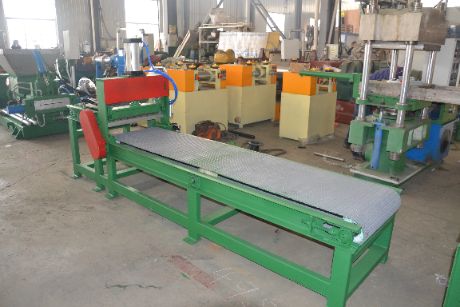
Most exporters can put together a glossy brochure, but real shipments leave a trail that no brochure fully controls. Ask for bill of lading numbers from the past six to twelve months, then cross-check those against customs data or a freight forwarder. Consistent volume over several quarters says more than a single large order that could have been a one-off.
Watch how the company answers questions about past orders. A genuine track record includes messy details—delays, changed specifications, packaging adjustments, one difficult buyer who was eventually sorted out. If every story sounds like a case study from a sales deck, that uniformity is itself a warning. Ask to speak with a previous customer, not just read a testimonial.
Compare what the exporter claims about capacity and lead times with what their actual shipping timeline shows. A factory that truly serves overseas buyers will usually be able to point to a sequence of smaller trial orders growing into repeat business. Phrases like “trusted by hundreds of clients” mean little without at least a few verifiable names, ports of destination, and product categories.
Where Granule Quality Is Decided Long Before the First Batch
Granule quality rarely begins at the granulator. It starts with the character of incoming powder, the way a formulation drifts with ambient moisture, and decisions made about binder addition before anyone presses a start button. A batch can fail simply because the particle size span of the raw material was wider than assumed, or because the chosen liquid addition rate ignored how the powder compacts under its own weight in the bowl.
What matters is not just the recipe but the alignment between material behavior and equipment settings. Small changes in impeller speed, spray nozzle position, or the timing of wet massing alter how granules densify and break apart. If those parameters are not matched to the actual surface properties of the powder, downstream problems—poor flow, uneven drying, tablet weight variation—are already locked in.
The first batch therefore becomes a confirmation of earlier choices, not a moment of discovery. Operators who treat the granulator as the place to fix quality often find themselves adjusting too late, because the real control points sit further back: in raw material lots, storage conditions, and the way the process was designed around the material's faults rather than its ideal behavior.
After-Sales Promises Worth Testing Before You Commit
A lifetime warranty sounds reassuring until you realize it covers only the parts most likely to outlive the product itself. Before signing, ask what happens when the motor burns out at month thirteen. If the answer involves shipping costs, inspection fees, or a six-week wait, the promise is thinner than the paper it is printed on.
Repair turnaround time matters more than any certificate. A company that promises a replacement in three days but staffs one support agent on Fridays will fail you exactly when you need them. Call the support line before purchasing, pretend you already own the product, and see how long it takes to reach a human who can actually schedule a fix.
Check the fine print on software updates and spare parts. Some brands guarantee updates for five years, but only if you register within thirty days and keep the original receipt in a fireproof box. Others stop making replacement batteries after two years, turning a perfectly good device into e-waste. Test the promise by asking for a written copy of the after-sales terms, not a smiling salesperson's summary.
Customization That Fits Your Product Instead of Forcing Compromises
Most platforms quietly push you toward their own assumptions: a rigid field here, a fixed layout there, a checkout flow you can't rearrange. This one works the other way around. The interface is modular enough that you can hide what you don't need, rename what your team actually calls things, and rearrange the order until it matches how your product already works in real life.
That flexibility extends below the surface too. Custom properties, conditional visibility, and role-based views mean different users see different things without you maintaining separate dashboards. A support agent gets the quick-action panel, an operations lead sees the reporting slice, and a customer only touches the three fields that matter to them.
The point isn't just configuration for its own sake. It's that your internal logic doesn't have to bend to someone else's template. Whether you're selling hardware with serialized inventory, a subscription with pause rules, or a service with multi-step approvals, the system adapts to those quirks rather than treating them as edge cases to work around.
Verifying Line Reliability Without Standing on the Factory Floor
Walking the production line used to be the only real way to know if a line was reliable. Someone had to be there, watching for hesitation, listening for odd noises, checking if a sensor was misaligned or if a conveyor belt was drifting slightly off track. That kind of first-hand observation catches things no spreadsheet ever will.
But being physically present comes with obvious limits. You cannot stand in three plants at once, and you certainly cannot watch a line through the night shift from your living room. The trick is to recreate that same level of attention without relying on boots on the ground. Modern monitoring setups pull in vibration patterns, cycle times, and subtle variations in motor current, then flag anomalies the way an experienced operator would, only around the clock.
The goal is not to replace the people who know the machinery best. It is to give them a way to see what is happening when they are not standing right there. A sudden change in a bearing frequency, a slight increase in cycle time on one station, or a slow drift in temperature can all show up in the data long before a breakdown. When those signals are visible from anywhere, reliability stops being a guess made during a site visit and becomes something you can actually track over time.
FAQ
Look beyond the brochures and ask for footage of lines running similar EPDM compounds. A shortlist should be based on installed capacity, years handling EPDM specifically, and whether the exporter can name the core component brands before you ask. If they hesitate on motor, gearbox, or control system details, treat that as a warning sign.
Request reference contacts from buyers in your region, not just polished testimonials. Ask about the exporter’s own factory, batch records, and which parts they actually produce versus outsource. A video walkthrough of their workshop and an active export license add more weight than a glossy certificate collection.
The mixer, extruder or granulator, and cooling section usually decide consistency. Temperature control around the die head matters more than most buyers realize; uneven heat leads to rough edges and weak batches. Knife condition and screen mesh also influence particle size distribution, so check their replacement cost and frequency.
Yes, but the depth varies. Some exporters sell standard machinery and leave formulation to your chemist. Others will run trials with your rubber, pigment, and filler to match shore hardness and color. Be clear about whether formulation support is included or billed separately before you compare quotes.
At minimum you should expect installation guidance, operator training, and a clear warranty with named spare parts lists. Ask how remote support works when the line goes down at 2 a.m. in your time zone. A reliable exporter will have someone on call and can often ship common wear parts within a few days.
A standard EPDM granule line usually takes 60 to 120 days depending on capacity. Custom layouts add time, and sea freight can stretch that by several weeks. Confirm packaging for humidity, whether the quote is FOB or CIF, and who handles port clearance documents. A slightly longer lead time from a proven factory often beats a rushed order that arrives incomplete.
Watch for low headline prices that quietly downgrade motors, PLC brands, or safety guards. Some quotes exclude the EPDM formulation, installation travel, spare knives, or even essential dust collection. Ask for a line-by-line breakdown and compare it against the rated output under normal operating conditions, not just peak numbers.
Insist on a trial run using a sample of your own raw material when possible. Request the test report, video of the run, and confirmation of output per hour. Before loading, the exporter should provide a detailed packing list, electrical drawings, operation manual, and any relevant safety certifications.
Conclusion
A practical evaluation of an EPDM granule production line exporter starts with evidence, not polished claims. The equipment itself has to handle filler loadings, steady heat history, and precise cutting without drifting after long runs, so asking for a detailed bill of materials, screw and barrel specifications, temperature control zones, and motor sizing tells you more than a brochure ever will. Exporter history should be checked through line-specific references, repeat orders, and the age of machines still operating in the field. Marketing often highlights capacity, but real track records show up in wear part replacement intervals, unscheduled downtime logs, and how the supplier handled past failures. Much of granule quality is fixed before the first batch: formulation accuracy, mixing sequence, cooling length, and cutter design determine particle shape, density, and surface finish far more than final inspection.
After-sales commitments deserve pressure before signing. Ask for written spare parts lead times, local service availability, remote diagnostic access, and whether the exporter keeps a history of software or mechanical updates. Customization should work around your product profile, such as adjustable die heads, interchangeable cutting rotors, or extended cooling sections, rather than forcing your compound into a standard layout. If travel is limited, request live-streamed factory acceptance tests, long-run footage without edits, and exported PLC trend data showing temperatures, motor loads, and pressures over several hours. These records often expose stability problems that a short demo cannot. Combining those checks gives a far clearer picture of whether the line will stay productive after commissioning.
Contact Us
Contact Person: Chen Zhengwei
Email: [email protected]
Tel/WhatsApp: +86-13963975727
Website: https://www.sfcrubbermachine.com