

Eco Solution Road Hardening Agent: The Sustainable Choice for Stronger Roads
2026-07-17
Paved paths that withstand heavy traffic without harming the planet might sound like a distant goal, but MST is turning that vision into reality. This eco solution road hardening agent tackles the twin challenges of durability and environmental care head-on, reshaping how modern roads are built. If you’re ready to explore a smarter, greener way to create stronger surfaces, you’re in for a surprising ride.
Turning Dusty Trails Into Lasting Thoroughfares
What begins as a narrow path worn into the earth by footsteps and wagon wheels often holds the promise of something far more enduring. Those dusty trails, shaped by daily necessity, eventually demand a transformation that balances utility with resilience. The shift from a simple track to a reliable roadway isn't just about laying down pavement—it's about understanding the land's contours, the seasonal rains that wash away loose soil, and the steady rhythm of those who travel it.
Creating a lasting thoroughfare means working with materials that can withstand both time and weather. Instead of quick fixes, the focus turns to compacted foundations, proper drainage, and surfaces that remain stable under heavy use. Local stone, carefully graded gravel, and layered construction techniques often replace the uneven dust, ensuring that the route stays passable during spring thaws and autumn downpours. It's a quiet art, informed by generations of road builders who learned that durability comes from respecting the ground beneath.
In the end, the dusty trail becomes more than a mere connection between points. It becomes a lifeline—carrying goods, stories, and gatherings from one place to another without faltering. The thoroughfare that emerges is a testament to careful planning and communal effort, blending seamlessly into the landscape while serving those who rely on it every day. It's a reminder that the paths we forge, if built with foresight, can endure for generations to come.
The Soil Science Behind Unbreakable Pavement
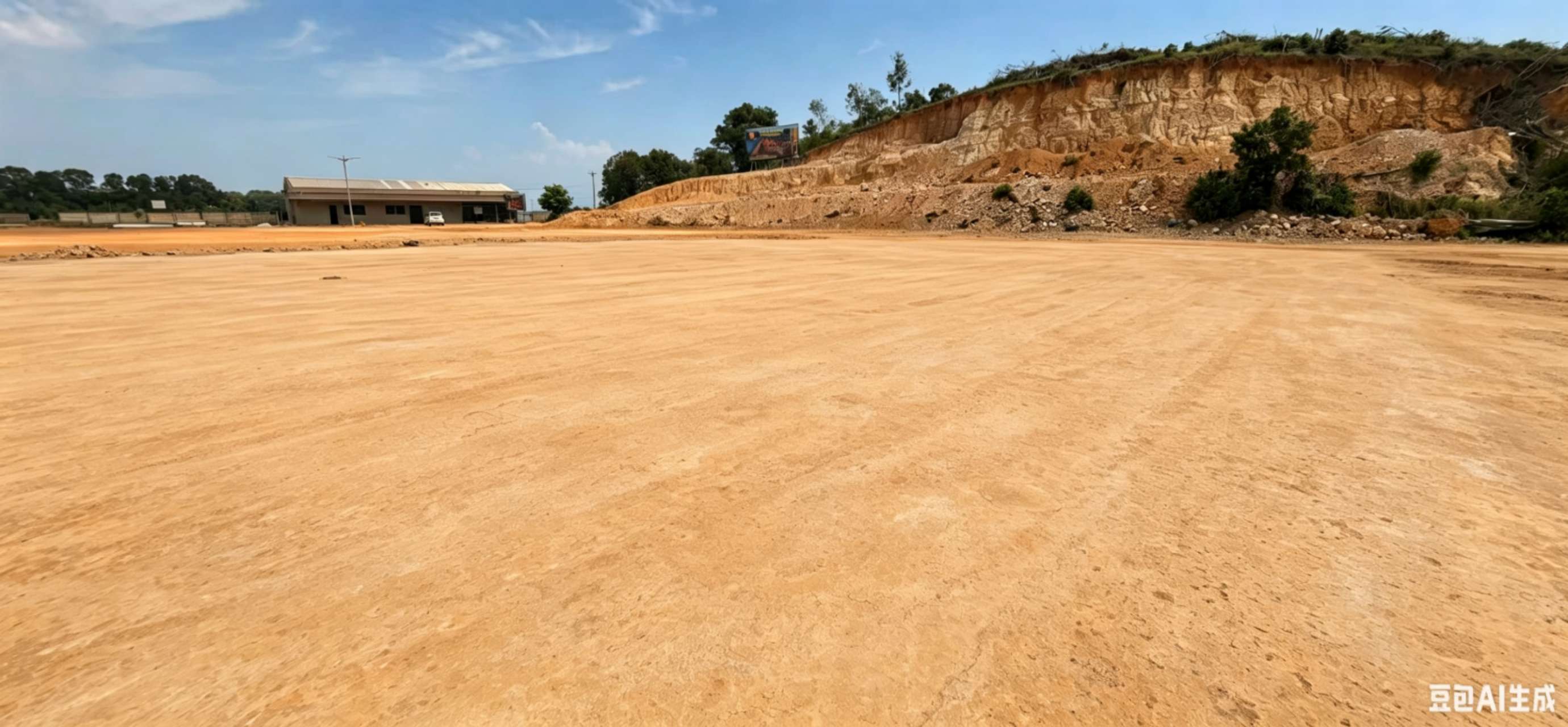
The strength of any pavement lies hidden beneath the surface, in the layers of soil that bear every load. Soil isn't just dirt; it's a complex matrix of mineral particles, air, water, and organic matter whose behavior dictates whether a road will endure or deteriorate. When engineers speak of soil compaction, they're not simply flattening earth—they're rearranging particles to eliminate gaps and increase density, boosting the soil's load-bearing capacity and resistance to settling. The ideal soil composition has a balanced gradation of particle sizes, from coarse gravel down to fine silt, creating a tight interlock that distributes stress evenly.
Water is the silent adversary in this underground battle. Excess moisture lubricates soil particles, reducing friction and turning a solid base into a slurry that heaves under freeze-thaw cycles or erodes beneath moving tires. Proper drainage design, with permeable layers and graded slopes, keeps the subgrade dry and stable. In weak soils, treatments with lime or cement trigger chemical reactions that bind particles together, forming a rigid, waterproof crust. This fusion of geology and chemistry ensures that the pavement stays unyielding, even as seasons shift and traffic pounds relentlessly overhead.
How One Application Strengthens Roads for Decades
When a road is treated with this advanced stabilization method, the benefits extend far beyond the initial paving. The application penetrates deep into the existing base, forming a resilient, water-resistant layer that actively fights deterioration. Unlike surface-level fixes that wash out or crack within a few seasons, this process bonds the aggregate at a molecular level, turning ordinary materials into a monolithic slab that spreads loads evenly and resists the freeze-thaw cycles that tear typical roads apart.
Once in place, the treated roadbed becomes virtually maintenance-free for decades. The chemistry locks out moisture, the primary enemy of pavement, preventing the weakening that leads to potholes and rutting. Heavy traffic and extreme weather lose their destructive power, as the stabilized base remains intact, flexing just enough under stress without fracturing. It's not a patch or a coating—it's a permanent upgrade that keeps gravel or asphalt rural routes, haul roads, and highways solid long after conventional repairs would have failed and been redone multiple times.
Communities and agencies that invest in a single application find their budgets freed from the endless cycle of patching and resurfacing. What starts as a construction project becomes a decades-long shield against the elements. The road stays smoother, safer, and stronger year after year, with no hidden regressions. It's the kind of transformation that quietly saves millions while drivers simply notice a road that never seems to get bad.
No Heavy Machinery, No Problem: The Simple Path to Stability
You don't need a fleet of excavators or compactors to achieve lasting ground stability. Long before modern equipment came along, ancient civilisations built enduring roads, terraces, and foundations using nothing more than manual labour and natural materials. The secret lay in understanding soil behaviour—layering, moisture control, and compaction by foot or simple hand tools. These time-tested beliefs still hold true today for smaller projects like garden paths, shed bases, or low-impact driveways. What matters isn't the weight of your machines but the care you take in preparing the base.
Start by stripping organic topsoil and then compact the subgrade in thin lifts—no more than six inches at a time. A hand tamper or a rented plate compactor does the job just fine. Add a geotextile fabric if the soil is soft, then layer crushed stone in steps, moistening and packing each one. The real trick is patience: letting water settle the particles naturally overnight often works better than forcing it. Mistakes come from rushing, not from a lack of horsepower.
Finally, don't overlook simple drainage. Even perfectly compacted ground will shift if water pools underneath. A slight slope, a French drain made from gravel and perforated pipe, or just a smart choice of permeable surface can prevent most failures. There's a quiet satisfaction in putting down a stable base with your own hands, knowing it rests on the same principles the Romans used. Stability isn't about how big your gear is; it's about working with the soil, not against it.
Making Every Mile Greener, From Base to Surface
Sustainability isn't just a buzzword for us—it's woven into the very foundation of how we build and maintain roads. From the aggregates packed deep under the asphalt to the final surface layer, every choice we make aims to reduce environmental impact without compromising durability.
We start at the base course, where recycled materials often replace virgin aggregates, cutting down on mining and transportation emissions. Advanced stabilization techniques let us reuse existing subgrades, so fewer trucks roll out to haul away old pavement. That alone slices a surprising chunk off the carbon footprint of a project before the first paver even arrives.
Up top, our surface mixes incorporate warm-mix asphalt that requires significantly less energy to produce and lay. The finish is smooth and long-lasting, yet it comes together at lower temperatures, meaning crews can work with less fuel and fumes. Every mile reflects a deliberate balance—keeping roads tough enough for decades of traffic while gently treading on the land around them.
Why Road Builders Are Abandoning Traditional Methods
The shift away from conventional road construction isn’t just about chasing novelty—it’s a response to mounting pressures that traditional methods can no longer handle. Rising material costs, tighter environmental regulations, and the need for longer-lasting infrastructure have exposed the limitations of asphalt and concrete-heavy approaches. Crews are finding that sticking to legacy techniques often means more frequent repairs, higher lifecycle expenses, and greater vulnerability to extreme weather. The industry is realizing that what worked decades ago struggles to keep pace with modern traffic demands and climate realities.
Technology has reshaped expectations on the ground. Tools like intelligent compaction systems, 3D paving controls, and real-time density sensors allow for precision that manual methods simply can’t match. Instead of relying on experience and guesswork, teams can now achieve consistent compaction and smoother surfaces in fewer passes. This doesn’t just cut down on fuel and labor—it dramatically reduces the risk of premature cracking and rutting. When a roadway can be laid with millimeter accuracy and verified instantly, the margin for error shrinks, and the long-term performance gets a noticeable boost.
Another driving force is the growing emphasis on sustainability, which goes far beyond recycling old pavement. Builders are exploring alternative binders, warm-mix asphalts that lower emissions, and even geopolymer-based materials that sidestep cement’s carbon footprint entirely. These aren’t fringe experiments—they’re becoming practical options that align with tightening government mandates and public demand for greener infrastructure. By letting go of outdated formulas, road builders are not only improving durability but also cutting project delays and winning favor in communities that are increasingly vocal about environmental impact.
FAQ
It's a blend of natural polymers and mineral-based compounds that react with soil to create a dense, durable surface. Unlike cement or asphalt, it doesn't rely on petroleum byproducts or high-energy manufacturing.
The agent binds soil particles together at a molecular level, filling voids and forming a water-resistant matrix. This process turns loose gravel or dirt into a hard, load-bearing surface that can handle regular traffic.
Yes, significantly. It cuts carbon emissions by avoiding the need for hot-mix asphalt plants, reduces quarrying for aggregates, and often uses locally available soil, slashing transport pollution.
Rural access roads, farm tracks, forestry paths, construction site entrances, and even parking lots. It’s ideal where traditional paving is too expensive or logistically difficult.
With proper application and maintenance, expect 5 to 10 years of service. Longevity depends on traffic volume and climate, but it holds up well against erosion and rutting.
Application works best in dry, moderate temperatures, but once cured, the surface withstands rain and freeze-thaw cycles. Special formulations exist for challenging conditions.
It eliminates the need to haul heavy materials over long distances. Mixing equipment is simple, and local labor can often do the work, making it a practical, low-cost upgrade.
Conclusion
Eco Solution Road Hardening Agent redefines road construction by offering a sustainable alternative that turns dusty trails into lasting thoroughfares. Grounded in sophisticated soil science, it works by interacting with clay minerals and silts to form a hardened, bound matrix that rivals traditional asphalt or concrete in strength, yet without the heavy carbon cost. One application penetrates deep into the ground, triggering a pozzolanic reaction that essentially petrifies the soil, ensuring roads remain stable and unyielding for decades, even under harsh conditions. What sets it apart is the simplicity of implementation: no need for heavy machinery, no lengthy construction timelines—just a straightforward process that can be carried out with basic equipment, drastically reducing energy use and disruption.
Beyond its technical prowess, this hardening agent is a champion for the environment. By utilizing in-situ soil, it eliminates the need for virgin aggregates and the trucking associated with their transport, cutting emissions at every stage. From the base layer to the riding surface, every mile built with this agent becomes a greener corridor, seamlessly blending durability with ecological responsibility. It’s no wonder that road builders are rapidly abandoning traditional methods in favor of this approach, which not only lowers costs but also aligns with modern sustainability mandates, proving that the path to stronger roads can also be a path to a healthier planet.
Contact Us
Contact Person: Helen
Email: [email protected]
Tel/WhatsApp: 86 18630661160
Website: https://www.roadmilestone.com/