
Discover Dongba Culture in Lijiang: An Enriching Yunnan Adventure
2026-08-10
Tucked away in the shadow of Jade Dragon Snow Mountain, Lijiang holds more than just picturesque canals—it guards the soul of the Dongba, the last living pictographic script. Yet, for the uninitiated, the culture can feel like a closed book. That changes when you step into Jade Water Village, where the Naxi spirit isn't just preserved; it breathes in every ceremony, mural, and melody. Ready to crack the code of an ancient world?
Whispers of an Ancient Script: Meeting the Dongba Priests
High in the foothills of the Himalayas, where the Jinsha River carves its way through deep gorges, the Naxi people have preserved a script that seems to breathe with the spirit of the mountains. It’s not just a writing system; it’s a living memory, etched onto handmade paper with bamboo pens. When you sit with a Dongba priest, you realize these characters—pictographs of wind, trees, and animals—aren’t merely symbols. They are whispered conversations with ancestors, guiding rituals that have survived dynasties and revolutions.
The priests themselves are storytellers, healers, and keepers of a fragile thread. Their chants, half-sung in a language even many Naxi no longer understand, fill the air with a rhythm that feels older than the terraced fields outside. I once watched an elderly Dongba draw a ceremony’s script by candlelight, his hand steady despite his years. He explained that each stroke was a dialogue with the past, and if he made a mistake, the spirits might misunderstand. That sense of sacred precision stayed with me—the weight of a culture resting on a single brushstroke.
But meeting them isn’t like visiting a museum piece. It’s messy, human, and quietly urgent. Young people are rarely learning the script, tempted away by city lights and easier lives. Yet in their homes, around a fire, the Dongba priests share not just knowledge but a way of seeing the world: where every rock may hold a story and every breeze a voice. You leave with the echo of their prayers and a question that lingers—how long can a whisper survive before the wind sweeps it away?
A Walk Through Time in Lijiang's Old Town
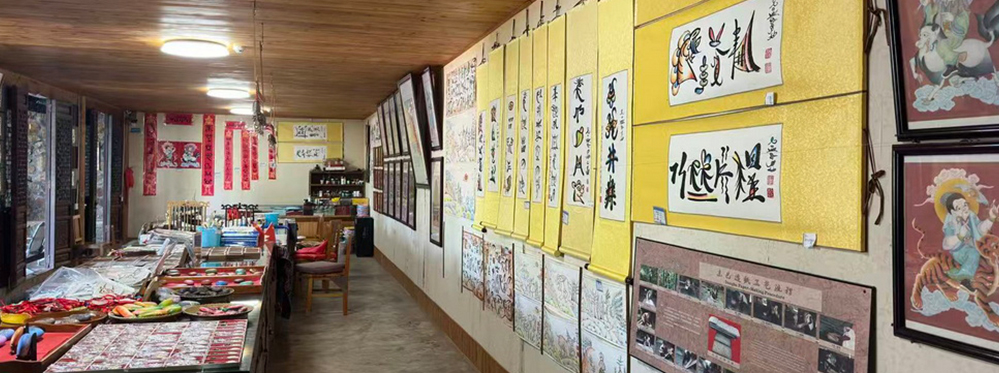
Cobbled lanes weave through an 800-year-old maze where the distant rumble of Jade Dragon Snow Mountain’s meltwater echoes beneath stone bridges. Stepping past weathered wooden facades adorned with Naxi pictographs, you can almost hear the clip-clop of tea horse caravans that once paused here before vanishing into the Himalayan foothills.
Unlike other ancient towns muffled by mass tourism, Lijiang still breathes its own rhythm in the early hours—when canal-side poplars throw long shadows and an old woman in traditional indigo vest sweeps her doorstep with slow, deliberate strokes. The real charm hides in moments the crowds miss: a calligrapher grinding ink under a paper lantern, or the sudden scent of simmering baba bread drifting through a narrow alley.
Climb Lion Hill as dusk settles and watch the gray-tiled rooftops ripple outward like a disturbed pond. In that hazy light, the town doesn’t feel preserved—it feels alive, still negotiating a thousand-year conversation between mountain silence and human footfall.
Unlocking the Secrets of Dongba Pictographs
Dongba pictographs, the sacred script of the Naxi people in southwest China, present a world where language and art intertwine. Unlike linear alphabets, each symbol is a miniature story, a visual echo of nature, ritual, and daily life. Deciphering these ancient marks is like peeling back layers of a culture that has preserved its voice through the silence of remote mountains.
At the core of their mystery lies a unique mnemonic system—the pictographs hint at narratives rather than dictate them, relying on the oral traditions of Dongba priests to fill the gaps. A single glyph of a man with a feathered headdress might invoke an entire ceremony, while a stylized tree could stand for a clan’s origin myth. This interplay between written symbol and spoken word creates a dynamic code, one that resists easy translation and invites a deeper engagement with the Naxi worldview.
Today, scholars and enthusiasts alike are uncovering these secrets through meticulous fieldwork and digital archives, breathing new life into a fading literary heritage. Each deciphered glyph not only expands our linguistic knowledge but also reveals the Naxi’s profound connection to their environment—where mountains, winds, and animals are all part of a living conversation. In a world of fleeting texts, the Dongba script stands as a testament to the enduring power of human expression etched in ink and memory.
Sacred Dances Under Jade Dragon Snow Mountain
High on the slopes where the mist clings to the peaks, the Naxi people gather in a circle that has remained unbroken for centuries. Their feet trace patterns older than the stone terraces below, each step a prayer whispered to the mountain. The dance is not merely movement; it is a living scripture, enacted with bodies as vessels for the spirits of wind and water. Beneath the watchful gaze of the Jade Dragon Snow Mountain, the rhythm of drums echoes the heartbeat of the earth, pulling participants into a trance where the boundary between the human and the sacred dissolves.
Dongba shamans, draped in robes adorned with symbols of the cosmos, lead the ceremonies with a quiet intensity. Their chants, drawn from pictographic scripts etched onto bark, summon ancestors and nature deities to join the circle. Every gesture—a raised arm, a bowed head—mirrors the contours of the surrounding landscape, as if the dancers are extensions of the mountain itself. The dance becomes a conversation between the village and the unseen, a plea for harmony carried upward by the thin mountain air, where the snowcaps glisten in silent response.
Outsiders rarely witness the full depth of these rites. Tourists might catch a glimpse of the vibrant costumes and spirited movements during festivals, but the true essence remains veiled in a rhythm that outsiders can never fully step into. The dances are a keeper of secrets—of harvests, sorrows, and the delicate balance between human existence and the wild. Under the towering white peaks, each performance renews an ancient contract: the mountain provides, and in return, the people dance their gratitude, ensuring the snow will never melt from its crown.
The Enchanting Rites of a Living Tradition
In the quiet hours before dawn, the rhythmic beat of drums begins to pulse through the village. It is a sound that has echoed across generations, calling forth the spirits of ancestors and nature alike. These rites are not relics stored in glass cases; they breathe with the people, shifting ever so slightly with each new season yet holding fast to an ancient core.
What makes a tradition truly living is its ability to embrace the present without severing its roots. Here, ceremonial masks carved by elder hands are painted with modern pigments, and chants once murmured in secret are now sung openly, their melodies weaving through the laughter of children who learn them by heart. The enchantment lies not in rigid preservation, but in the dance between memory and motion.
Visitors often stand at the edges, hesitant, until a weathered hand reaches out and pulls them into the circle. Suddenly, they are no longer spectators but part of a story that spans centuries. The air thickens with incense and dust, and for a fleeting moment, time itself softens, reminding us that some magic can only be found when history is still being written.
Sipping Tea with Wisdom: Stories from the Naxi Elders
In the old town of Lijiang, where cobbled streets wind like the threads of a story, I once sat with an elder who poured Pu'er tea with the steadiness of generations. As the steam curled upward, she began to speak—not in lessons or lectures, but in tales of the Naxi people, of their pictographic Dongba scripts and the sacred Snow Mountains that stood as silent witnesses. Her words were not just history; they were water for a thirsty traveler, offering a way to see the world not as a series of events, but as a web of connections between ancestors, nature, and the simple act of sharing a cup of tea.
What struck me most was how these stories refused to moralize. There was a tale about a young herder who learned patience from a river that seemed to whisper in an ancient tongue, another about a couple whose love was immortalized in the petals of a local flower. Through each, the elder would pause, refill my cup, and let the silence do its own teaching. It was a reminder that wisdom in Naxi tradition isn't handed down as rigid doctrine but steeped gently into moments—waiting to be tasted, not swallowed whole.
I left that afternoon with a notebook barely touched, yet my memory was full. The real education wasn't in the facts but in the feeling of sitting there, the faint smokiness of the tea mingling with the elder's soft laughter. These are the kinds of teachings that don't fade with time; they settle like a quiet companion, ready to resurface when life calls for a slower pace and a listening heart.
FAQ
Dongba culture is the soul of the Naxi people, blending animism, Tibetan Buddhism, and native wisdom. Unlike many text-based religions, it's a living practice guided by shamans called Dongba, who use a unique pictographic script for ceremonies. I was drawn to how every dance, chant, and painting tells a story of harmony between humans and nature—something you feel deeply when you visit the holy Jade Dragon Snow Mountain.
The best way is to connect with a local Naxi family or a small guesthouse that arranges intimate experiences. Avoid large tour groups—I joined a sunrise blessing at a village shrine near Baisha, and the Dongba priest invited us to light incense and tie prayer flags. Remember to dress modestly and always ask before taking photos. It's not a performance; it's a sacred act.
Absolutely! I stumbled upon a workshop in the old Shuhe town where a patient teacher handed me a bamboo pen and mulberry paper. The characters are so visual—'mountain' is a jagged peak, 'love' is two hearts side by side. You'll leave with a framed piece and a new appreciation for this 1,000-year-old script still used in traditional texts.
Baisha Old Town is the treasure chest. The Baisha Frescoes, painted during the Ming Dynasty, fuse Dongba, Buddhist, and Daoist motifs. I spent hours in the quiet Dabaoji Palace marveling at the electric blues and golds depicting heaven and hell. For a less touristy spot, hike to the Yuhu village, where some old residences hide faded but powerful murals.
Don't leave without tasting Naxi grilled fish, often prepared with a crust of mountain herbs and chili. I had it in a courtyard near Black Dragon Pool—the smoky flavor paired with a cup of locally grown high-altitude tea was unforgettable. It's simple food, but the connection to the land is what Dongba culture is all about.
Lijiang is a perfect base. In the morning, cycle to a Naxi village for a calligraphy class, then in the afternoon trek the Tiger Leaping Gorge. I arranged a homestay where the host was a Dongba lineage holder—he told stories under the stars before I set off to climb the Haba Snow Mountain. The rhythm of culture and nature is seamless here.
Conclusion
Stepping into Lijiang feels like walking into a living museum where the Dongba culture still breathes through every cobblestone and carved lintel. The ancient town itself is a time capsule, its waterways guiding you past weathered wooden doors behind which Naxi elders share stories over cups of bitter tea. Their laughter echoes the same cadence as the Dongba priests' chants, those guardians of a pictographic script that predates most written languages. Sitting with them, tracing the delicate strokes of symbols that tell tales of gods and nature, you realize this isn't a dead language—it's a whispered conversation between generations, kept alive by sheer devotion.
Under the gaze of Jade Dragon Snow Mountain, the culture erupts into motion through sacred dances and rites that have survived centuries of change. The priests move in elaborate costumes, their steps a dialogue with the spirits, while the hypnotic rhythm of drums and cymbals vibrates through your chest. It's enchanting to witness rituals that are not performances for tourists but genuine acts of faith, binding the community to their ancestors and the land. From the intricate pictographs to the mountain ceremonies, every encounter leaves you with a quiet understanding: the Dongba tradition doesn't just survive in Lijiang—it thrives, offering a rare glimpse into a worldview where every element of life is sacred.
Contact Us
Contact Person: Changhong He
Email: [email protected]
Tel/WhatsApp: 086-0888-5190152
Website: https://vip.e-baixing.com/ysh