

Cutting-Edge Chemical Equipment & Technology: Pioneering the Future of Industrial Innovation
2026-05-16
Industrial innovation is being reshaped by breakthroughs in chemical equipment and technology. From modular reactor designs to AI-driven process controls, the landscape is evolving faster than ever. Yet with so much change, the key question remains: how do you separate fleeting trends from tools that truly transform operations? At ICIF, the conversation goes beyond theory—it’s where real-world solutions meet the next wave of industrial demands. In this blog, we’ll unpack the technologies rewriting the rulebook and what they mean for tomorrow’s factories.
Revolutionizing Reactor Design for Unmatched Efficiency
Traditional reactor layouts often sacrifice flexibility for stability, but a fresh look at fluid dynamics and heat transfer has sparked a shift toward geometrically liberated cores. By breaking away from cylindrical symmetry and embracing asymmetric flow paths, engineers are now able to push conversion rates past legacy thresholds without compromising safety margins.
At the heart of this transformation is a reimagined catalyst arrangement that dramatically shortens diffusion distances while evening out temperature gradients. Instead of relying on massive, monolithic beds, the new design distributes active sites in a porous, hierarchical structure that pulls reactants through with lower pressure drop. The result is a cooler-running system that extracts more value from every kilowatt of energy fed into the process.
Crucially, the design eschews one-size-fits-all scaling rules. Modular internals and adaptive flow control allow operators to fine-tune performance for varying feedstock compositions, turning what was once a rigid chemical assembly into a responsive, tunable platform. Early pilot data points to double-digit efficiency gains while cutting downtime, rewriting the playbook for next-generation industrial reactors.
Smart Materials and Surfaces Redefining Process Equipment
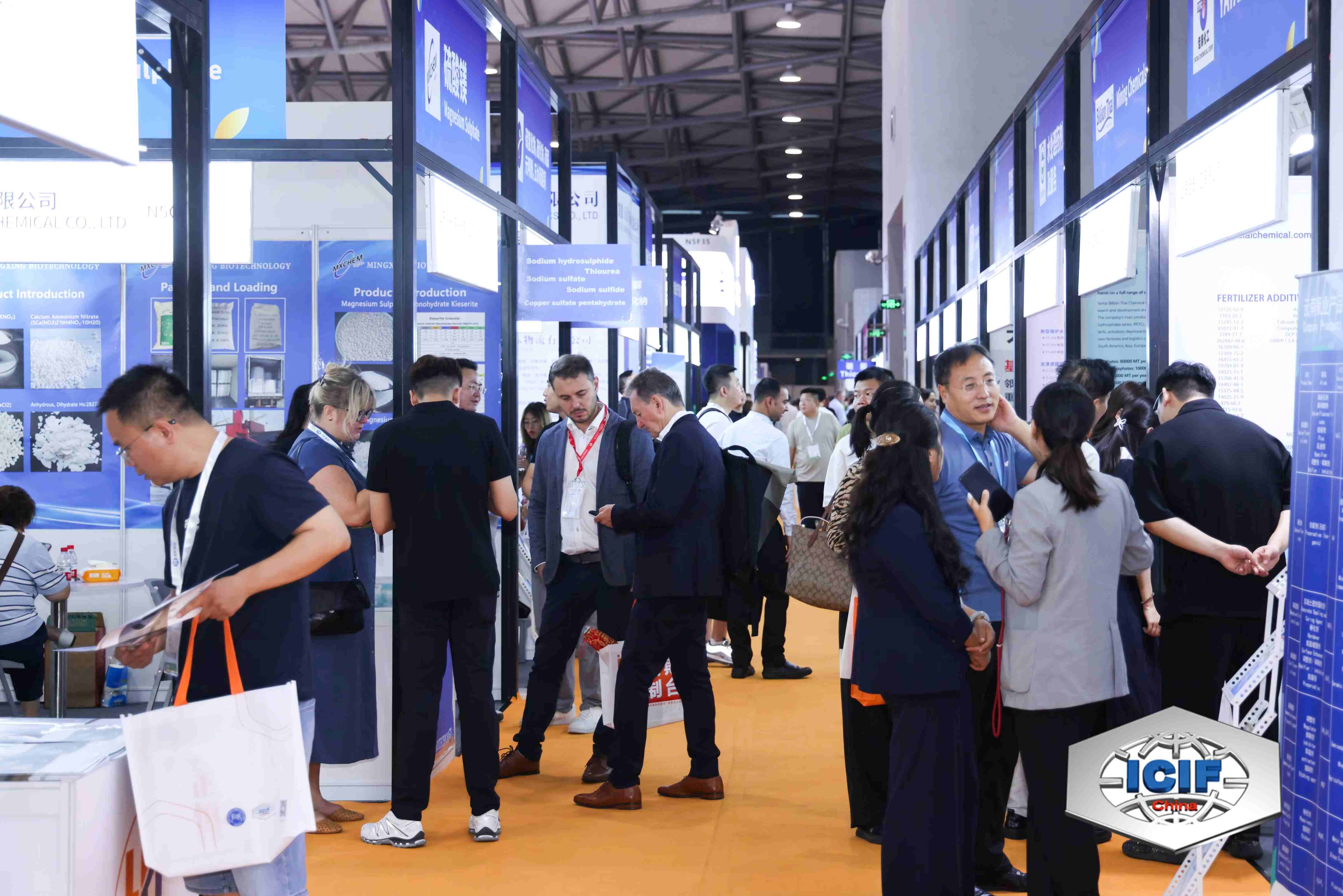
The shift toward intelligent process equipment isn't just about faster microchips or more precise sensors—it's increasingly about the materials themselves. Engineers are moving beyond traditional stainless steel and inert coatings, embracing smart materials that respond dynamically to their environment. Shape-memory alloys, for instance, can alter their geometry in reaction to temperature changes, enabling valves and seals that self-adjust without external actuators. Meanwhile, piezoelectric ceramics embedded in reactor walls convert mechanical stress into real-time data, flagging micro-vibrations long before they become equipment failures. It's a quiet revolution where the boundary between structural component and sensing device becomes beautifully blurred.
Surfaces are no longer passive bystanders in chemical and pharmaceutical processing. A new generation of functional coatings actively repels fouling, kills microbes, or even catalyzes reactions on contact. Imagine a heat exchanger that sheds biofilm the way a lotus leaf sheds water—no harsh cleaning chemicals, no downtime. These surfaces often draw from nature's playbook, mimicking the micro-texture of shark skin or the enzymatic slickness of pitcher plants. But the real magic happens when such coatings incorporate stimuli-responsive polymers that flip their properties with a shift in pH or light. A pipe wall that switches from hydrophobic to hydrophilic on command can completely transform flow dynamics, slashing energy consumption in separation processes.
What makes this redefinition profound is the move toward systems that learn and adapt without central control. Researchers are embedding nanoparticle networks into composite materials, creating distributed sensor skins that monitor corrosion, strain, and chemical exposure across entire vessels. When a tank's lining detects a localized acid attack, it doesn't just send an alert—it can trigger a self-healing mechanism, releasing encapsulated inhibitors exactly where needed. This convergence of material science and process engineering is upending maintenance paradigms. Instead of scheduled overhauls, equipment might soon tell us when it needs attention, and perhaps even handle the repair itself while we sleep.
Modular Miniaturization: Scalable Solutions for Agile Production
Shrinking production footprints doesn't mean sacrificing capability—it's about rethinking how systems are built. Modular miniaturization breaks complex manufacturing processes into compact, self-contained units that can be rapidly reconfigured. This approach turns rigid lines into fluid networks, where each module handles a specific task yet communicates seamlessly with the whole. The result is a production environment that adapts to shifting demands without costly overhauls, making it ideal for high-mix, low-volume scenarios.
Scalability becomes organic when modules can be added or removed based on real-time needs. Instead of betting on oversized machinery, companies can start lean and expand in precise increments. This not only reduces initial capital outlay but also slashes lead times for new product introductions. By decoupling processes, updates or maintenance affect only isolated modules, keeping the rest of the line humming. It's a strategy that turns agility from a buzzword into a day-to-day operational reality.
Energy Integration Breakthroughs Slashing Operational Footprints
Imagine a factory where waste heat doesn't vanish into the air but instead powers the very machines that produced it. This isn't a distant dream—it's the emerging reality of energy integration, where breakthroughs are fundamentally redefining how industrial operations consume and reuse power. By weaving together previously isolated systems—like capturing thermal exhaust to preheat raw materials or channeling excess pressure from one process to drive another—facilities are achieving double-digit reductions in overall energy use. The ripple effect goes beyond efficiency: it slashes the operational footprint, trimming both carbon emissions and operational costs in one stroke.
One captivating advance is the rise of smart thermal grids within manufacturing plants. These systems use real-time data to constantly redirect heat from high-temperature processes to low-temperature needs, such as space heating or water pre-treatment. Instead of relying on separate boilers or chillers, the entire facility becomes a self-balancing ecosystem. In a recent retrofit at a chemical plant, engineers integrated heat pumps with existing distillation columns, recovering enough energy to eliminate the need for a natural gas boiler—cutting site-wide emissions by nearly 30 percent. This kind of dynamic, cross-process synergy is where traditional energy audits fall short; it requires a holistic, almost biological view of energy flow.
Looking ahead, the convergence of electrolytic hydrogen production with intermittent renewables is unlocking further gains. Rather than simply storing excess solar or wind power in batteries, some operators are feeding it directly into hydrogen electrolyzers, then blending the resulting green hydrogen into existing fuel streams or using it to regenerate electricity during peak demand. This not only stabilizes the grid but also replaces fossil fuels in high-heat applications. Because the integration happens at the system level—spanning generation, storage, and consumption—the overall operational footprint shrinks dramatically, proving that the cleanest megawatt is indeed the one you never have to buy.
Autonomous Control Systems Driving Predictive Maintenance
Autonomous control systems are reshaping maintenance strategies by removing the guesswork from equipment upkeep. Instead of relying on fixed schedules or reactive fixes, these systems use real-time sensor data and adaptive algorithms to forecast when components will actually need attention. They learn from operational patterns, adjusting thresholds and alerts based on subtle shifts in vibration, temperature, or pressure that human operators might overlook. This shift means maintenance happens precisely when it’s needed—not a moment too soon or too late.
The driving force behind this transformation is the ability to embed intelligence directly into machinery controls, allowing them to self-assess and communicate impending issues without human intervention. When a pump begins to draw more current or a motor’s harmonic signature changes, the autonomous system doesn’t just log an anomaly—it cross-references historical failures, projects the remaining useful life, and initiates a work order with detailed diagnostic data. This closes the loop between detection and action, minimizing downtime while extending asset life.
What sets these systems apart is how they continually refine their own predictive models. As new failure modes emerge, the control layer adapts, making the maintenance ecosystem more resilient over time. Facilities running such technology often see a drop in emergency repairs and spare part inventories, not because they’re cutting corners, but because they’re finally matching interventions to actual mechanical reality. The result is a plant floor where decisions are no longer calendar-driven but evidence-driven, with autonomous controls serving as both the watchful eye and the decision engine.
Green Chemistry Hardware Enabling Circular Manufacturing
Circular manufacturing hinges on the ability to recover and reuse materials without degrading quality, and that’s where purpose-built chemical hardware makes all the difference. Traditional batch reactors often trap catalysts and solvents in waste streams, but newer continuous-flow systems are designed to keep these inputs in play. By shrinking reaction volumes and improving heat transfer, these setups prevent side reactions that normally create hard-to-separate impurities. The hardware itself becomes a tool for waste prevention, not just treatment.
Membrane separation units and reactive distillation columns now work alongside catalytic reactors to pull products out while pushing unreacted material back into the loop—no manual intervention required. Biocatalytic systems embedded with enzyme-coated surfaces enable reactions at ambient conditions, dramatically lowering energy demand. What’s clever is how the equipment is modular: swapping out a distillation module or adding a membrane skid lets a single production line shift between materials without retooling, making closed-loop manufacturing flexible rather than fixed.
Sensors and adaptive controls breathe intelligence into this hardware, adjusting temperatures and flow rates on the fly to match real-time feedstock variations. When a sensor detects a buildup of byproducts, the system automatically diverts the stream to a regeneration unit, keeping the circular flow smooth. This blend of precision engineering and automated feedback turns green chemistry principles into tangible, reliable operations where nothing is wasted simply because the hardware won’t allow it.
FAQ
Cutting-edge chemical equipment refers to advanced machinery and systems that integrate the latest scientific breakthroughs—such as microreactors, modular process intensification units, and smart sensors—to dramatically improve reaction control, throughput, and safety. They often incorporate real-time data analytics to self-optimize, operating at extremes of temperature and pressure that were previously unworkable, enabling new chemical pathways while minimizing waste and energy consumption.
Digital twins create virtual replicas of entire production lines, allowing engineers to simulate and tweak processes without physical risk. When combined with machine learning, these systems predict maintenance needs, adjust parameters on the fly to maximize yield, and even design novel catalysts. This shift from reactive troubleshooting to proactive optimization slashes downtime and accelerates scale-up from lab to full production.
Flow chemistry systems stand out. Unlike traditional batch reactors, continuous flow reactors allow precise control over reaction time and mixing, which drastically increases selectivity and reduces hazardous intermediate buildup. They have enabled the safe, scalable synthesis of high-energy compounds and pharmaceutical intermediates that were once too dangerous or inefficient to produce at scale, transforming how companies approach complex molecule manufacturing.
Sustainability pressures—from carbon pricing to resource scarcity—push engineers to invent equipment that operates with lower solvent use, generates less toxic byproduct, and utilizes renewable feedstocks. Membrane bioreactors, electrocatalytic cells powered by green electricity, and CO₂ capture-integrated reactors are direct responses. Equipment that can close material loops or convert waste to value isn't just good for the planet; it's increasingly the only way to meet regulatory and market demands.
Advanced chemical equipment often embeds predictive safety features: sensors that detect microscopic cracks before leaks occur, automated shutdowns triggered by anomaly algorithms, and inherent process designs that avoid high-holding inventories of volatile materials. For instance, microchannel reactors limit the volume of reactive mixture at any instant, effectively eliminating explosion risks in exothermic reactions. This proactive safety architecture reduces incidents and builds a culture of reliability.
High initial capital expenditure and the need for specialized workforce training top the list. Many cutting-edge systems require a complete rethinking of plant layout and supply chain logistics. There's also a knowledge gap—integrating data science with chemical engineering doesn't come naturally to traditional teams. Additionally, regulatory frameworks often lag behind, meaning companies must navigate uncertain compliance pathways for novel processes, which can delay adoption.
Conclusion
The landscape of chemical engineering is undergoing a tangible shift as novel reactor configurations break away from legacy constraints, embracing geometries and mixing regimes that push conversion rates and selectivity into uncharted territory. Alongside these intensified process cores, smart materials and functionalized surfaces are quietly redefining what equipment can endure—self-healing coatings, anti-fouling interfaces, and catalytic walls that turn passive containment into active reaction zones. These advances aren’t just incremental; they collapse the boundary between hardware and chemistry, enabling plants to operate at extremes while slashing energy penalties. Meanwhile, modular miniaturization is dismantling the dogma that scale equals economy, allowing production lines to flex with demand through containerized, plug-and-play units that maintain precision even at kilolab dimensions. When paired with breakthroughs in energy integration—think heat pumping at sub-boiling duties and pressure recovery loops that reclaim kinetic energy—the result is a silent revolution in operational footprints, where every joule and cubic meter is scrutinized and optimized.
Beneath the hardware evolution, a digital nervous system is taking root: autonomous control platforms that fuse real-time spectral data with physics-informed neural networks, predicting maintenance needs before symptoms surface and dynamically adjusting process setpoints to compensate for sensor drift or feedstock variability. This predictive choreography keeps plants running in so-called “self-driving” mode, unlocking uptime that conventional PID loops can’t approach. Crucially, these engineering feats align with circular economy principles because green chemistry hardware—solvent recycling membranes, electrocatalytic conversion cells powered by renewables, and compact on-demand synthesis modules—embeds sustainability into the asset itself rather than relying on downstream offsets. By marrying hardware that thinks with materials that regenerate, the new frontier of chemical technology is deliberately blurring innovation with responsibility, proving that industrial competitiveness and ecological accountability are not a trade-off but a shared design target.
Contact Us
Contact Person: Shaozhen Zhou
Email: [email protected]
Tel/WhatsApp: 0086-18612117599
Website: https://en.icif.cn/