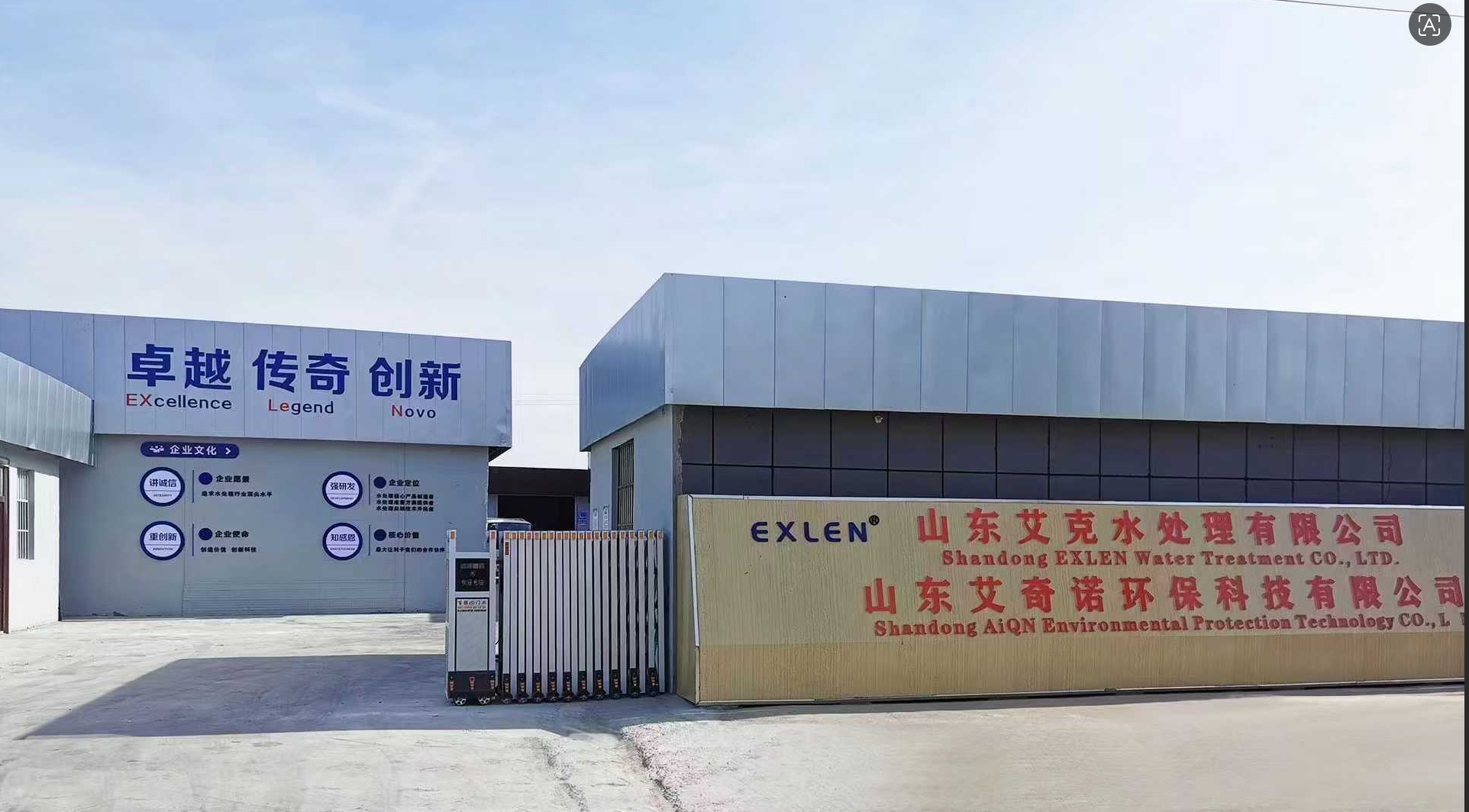

Corrosion and Scale Inhibitor Supplier: Your Partner in Industrial Water Treatment
2026-07-09
Industrial water systems face a silent but costly threat: corrosion and scale buildup. Left unchecked, they can cripple efficiency and shorten equipment life. That’s where the right supplier makes all the difference. Enter EVO, your dedicated partner in industrial water treatment—delivering tailored inhibitor solutions that keep your operations running smoothly, safely, and sustainably.
Why Corrosion and Scale Demand Specialized Attention
In many industrial and commercial systems, corrosion and scale are not immediately visible threats. They develop gradually inside pipes, heat exchangers, and boilers, slowly undermining efficiency and structural integrity. Because the symptoms often mimic normal wear, they can go unnoticed until a sudden failure or dramatic drop in performance occurs. This hidden nature demands a proactive and specialized approach—one that goes beyond routine maintenance checks.
Generic off-the-shelf treatments rarely address the unique combination of water chemistry, operating conditions, and metallurgy found in each facility. A one-size-fits-all chemical inhibitor might work in one setting but fail miserably in another, sometimes even accelerating the problems it was meant to solve. Specialized attention means evaluating the entire system holistically, considering variables like temperature fluctuations, flow rates, and existing material sensitivities. Only then can truly effective prevention and remediation strategies be designed.
The consequences of neglecting these issues are severe and cascade quickly. Energy consumption spikes as scale insulates heat transfer surfaces, forcing equipment to work harder. Corrosion pits deepen, risking catastrophic leaks, production downtime, and costly emergency repairs. In critical environments, such as healthcare or food processing, the stakes are even higher, where compromised systems can lead to safety hazards or regulatory violations. Investing in expert analysis and tailored solutions is not just about preserving assets—it's about ensuring operational reliability and long-term peace of mind.
The Hidden Costs of Overlooking Water Treatment
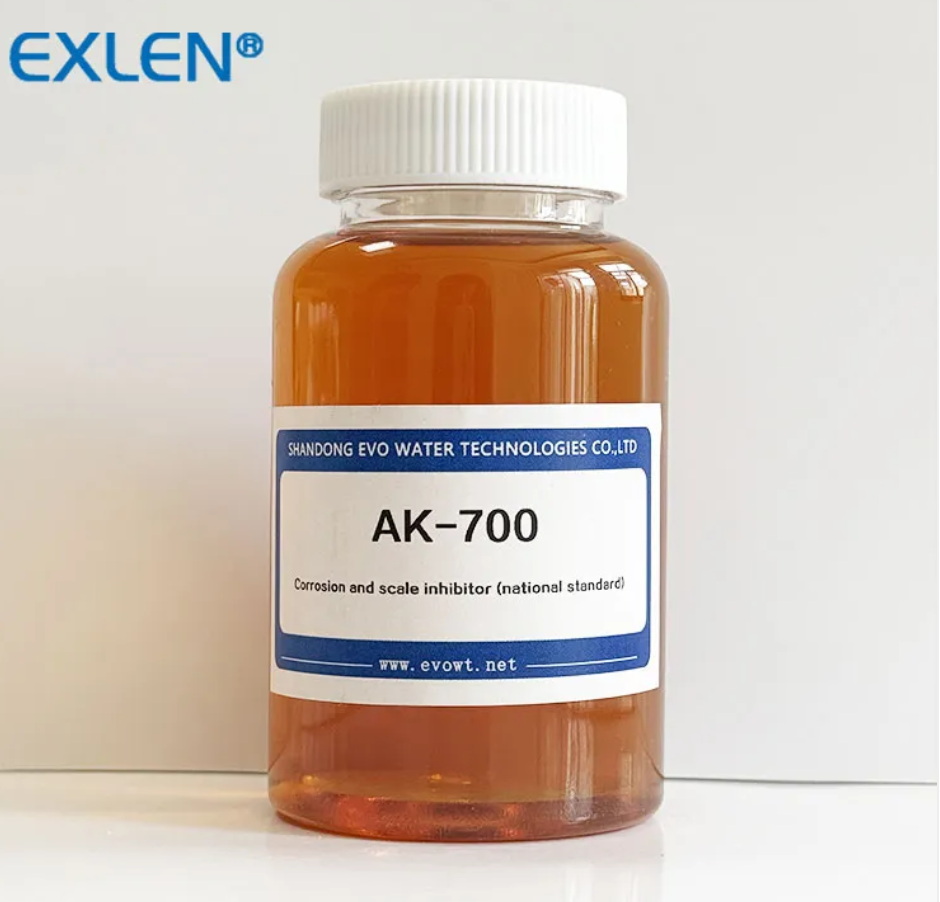
Ignoring water treatment might seem like a cost-saving measure in the short term, but the long-term financial burden can be staggering. Facilities that skip proper treatment often face accelerated equipment corrosion, leading to frequent repairs or premature replacements. For instance, untreated water can cause scaling in boilers and cooling towers, reducing their efficiency and driving up energy bills by as much as 30%. These expenses accumulate quietly, hitting budgets harder than any upfront treatment investment ever would.
Beyond the direct mechanical damage, there's a ripple effect on operational continuity. Unplanned downtime from clogged pipes or failed heat exchangers disrupts production schedules, delays deliveries, and strains customer relationships. Employees may also be forced into reactive maintenance, pulling them away from proactive tasks that drive growth. In many cases, the cost of lost productivity and emergency interventions far exceeds the price of a well-maintained water treatment program.
Then there's the intangible toll on safety and reputation. Poor water quality can breed harmful bacteria like Legionella, posing serious health risks and potential legal liabilities. A single outbreak or compliance violation can trigger fines, lawsuits, and irreversible damage to a company's brand. These hidden repercussions often surface only when it's too late, underscoring why water treatment is never truly optional—it's a safeguard for both assets and trust.
Tailored Solutions That Fit Your System’s Unique Needs
Every setup has its quirks—hardware that ages gracefully, software that demands specific versions, or workflows shaped by years of refinement. Off-the-shelf approaches often force compromises, squeezing your processes into a mold they were never designed for. We believe your tools should adapt to you, not the other way around. That means taking the time to understand the subtle rhythms of your infrastructure before proposing anything, ensuring the solution slots in like a missing puzzle piece rather than a square peg in a round hole.
Customization goes deeper than surface-level tweaks. It’s about aligning with your team’s habits, your long-term goals, and the unspoken rules that keep operations running smoothly. Whether it’s integrating legacy components that others deem obsolete or crafting a performance profile that respects your resource budget, the result is a system that feels native—built for your reality, not a generic blueprint.
The payoff is sustained efficiency without the constant friction of workarounds. When the tool fits the hand, daily tasks become lighter, and growth doesn’t trigger a cascade of compatibility headaches. It’s the difference between wearing a tailored suit and one pulled off the rack: both cover you, but only one lets you move freely.
Behind the Science: How Our Inhibitors Work at a Molecular Level
At the core of our inhibitor design lies a deep understanding of enzyme kinetics and binding thermodynamics. Unlike conventional approaches that simply block active sites, our molecules are engineered to exploit subtle structural features unique to the target protein. By mapping the energy landscape of the protein-ligand interface, we identify transient pockets and allosteric sites that remain invisible to standard screening methods. This allows our inhibitors to latch onto the target with exceptional precision, often locking it in an inactive conformation that prevents downstream signaling even when the primary binding site is occupied by natural substrates.
The molecular dance between inhibitor and enzyme is governed by a network of non-covalent interactions—hydrogen bonds, van der Waals forces, and hydrophobic contacts—that our team fine-tunes atom by atom. We prioritize binding motifs that are not only strong but also remarkably specific, reducing off-target effects that plague many drug candidates. By leveraging cryo-electron microscopy and molecular dynamics simulations, we can observe how water molecules reorganize around the inhibitor as it nestles into the binding cleft, turning entropic penalties into favorable bonding enthalpies. This dynamic view reveals how our compounds maintain their grip even as the protein flexes and breathes under physiological conditions.
What truly sets our inhibitors apart is their ability to modulate protein-protein interactions rather than just catalytic activity. Many disease-relevant targets function through large, flat interfaces that were once considered undruggable. Our team has developed a proprietary platform that maps hot-spot residues along these interfaces and designs rigidified scaffolds that mimic the structural features of natural binding partners. The result is a class of inhibitors that can disrupt complex formation with nanomolar potency, effectively short-circuiting pathogenic pathways at the source. This approach has enabled breakthroughs in targeting transcription factors and scaffolding proteins that were previously out of reach for small-molecule therapeutics.
Real-World Impact: From Efficiency Gains to Extended Equipment Life
Efficiency gains don’t just show up in faster cycle times or lower energy bills—they trickle down into how long critical assets remain in service. When machinery operates within optimal parameters, stress on components drops sharply. Startup surges, friction wear, and thermal cycling all become less aggressive, meaning bearings, seals, and drives face fewer punishing moments each shift. One factory extended hydraulic pump life by nearly 40% simply by smoothing acceleration ramps in their automation routine, keeping pressure spikes below the fatigue threshold that previously sent seals to early graves.
What’s often overlooked is the compound effect of small efficiency tweaks over months. A motor that runs consistently near its ideal load point doesn’t just sip power—it sheds less insulation-damaging heat and avoids the micro-vibrations that loosen windings. In heavy manufacturing, this translates to gearboxes that outlast their design life by tens of thousands of hours, transformers that dodge premature coil breakdown, and conveyor systems where every roller bearing sees a gentler duty cycle. The real-world payoff is fewer midnight breakdowns and a maintenance team that shifts from reactive firefighting to proactive tune-ups.
Beyond the machinery itself, extended equipment life reshapes capital planning. Instead of budgeting for replacements every five years, plants stretch that horizon to seven or eight, freeing up funds for other upgrades. The ripple effect shows up in spare-part inventories that shrink, vibration analysis routines that catch fewer serious faults, and operators who notice their lines run quieter and cooler. Those daily observations aren’t just anecdotes—they’re leading indicators that the equipment base is aging gracefully under the protection of efficiency-first engineering.
Choosing a Partner Who Prioritizes Your Long-Term Success
Not everyone you date will see your potential the way you do. Some partners get stuck on where you are right now, rather than where you're headed. When you find someone who actively supports your ambitions and respects your journey, it transforms the relationship into a shared mission. That kind of alignment doesn't just feel good—it shapes the trajectory of your life in ways you might not notice at first.
Pay attention to how they talk about your goals. Do they ask questions that show genuine curiosity, or do they redirect the conversation back to themselves? A partner who prioritizes your long-term success won't just tolerate your late nights working on a project—they'll bring you coffee and ask how they can help. They celebrate your wins without envy and hold space for your setbacks without judgment. This isn't about grand gestures; it's about consistent, quiet investment in your future.
The biggest mistake people make is assuming that love means unconditional support. In reality, a partnership that fuels your growth requires a rare blend of honesty and encouragement. The right person will challenge you when you're playing small and cheer you on when you take calculated risks. They understand that your success doesn't diminish them—it elevates what you can build together.
FAQ
Look for increased energy consumption, unexpected equipment shutdowns, reduced heat transfer efficiency, visible rust or scale deposits, and unusual changes in water chemistry. If you notice any of these, it's time to review your treatment approach.
Start with a thorough water analysis and system audit. Evaluate materials, operating temperatures, flow rates, and existing treatment methods. A reputable supplier can tailor a blend that addresses both general and localized corrosion while effectively dispersing scale-forming minerals.
A dedicated partner offers customized solutions, ongoing technical support, and proactive monitoring. They help optimize dosage, reduce waste, and adapt to changing conditions, leading to long-term cost savings and reliable system performance.
Modern sensors and data analytics allow you to track corrosion rates, scale thickness, and chemical residuals instantly. This helps you respond quickly to upsets, fine-tune inhibitor dosing, and prevent problems before they cause damage.
Yes. By using precise dosing and eco-friendly formulations, you minimize chemical discharge and water usage. Extending equipment life and improving energy efficiency further reduce your overall environmental footprint.
Avoid under- or over-dosing due to guesswork, neglecting system changes like new piping or water sources, ignoring proper pre-cleaning, and failing to train operators. Effective programs require careful planning, follow-up, and adjustment.
Conclusion
In industrial settings, corrosion and scale are more than just nuisances—they silently eat away at equipment integrity and system efficiency. A dependable corrosion and scale inhibitor supplier does more than deliver chemicals; they become a strategic partner who understands that every facility has its own water chemistry, operational pressures, and performance targets. Generic treatments often fail to address hidden costs like unplanned downtime, energy waste, and premature equipment replacement. That’s why specialized attention is essential. By tailoring inhibitor formulations to your system’s unique metallurgy, flow dynamics, and water composition, a true partner helps you avoid the pitfalls of one-size-fits-all approaches.
Behind the scenes, advanced inhibitors work at the molecular level to disrupt scale formation and form protective films on metal surfaces, effectively shielding against corrosive attacks. This science-driven precision translates into real-world gains: heat exchangers stay cleaner, energy consumption drops, and asset lifespans stretch far beyond typical expectations. When you choose a supplier who prioritizes your long-term success, you invest in peace of mind—proactive monitoring, ongoing optimization, and a relationship built on trust rather than transactions. In the end, the right partnership turns water treatment from a cost center into a competitive advantage, keeping your operations smooth, sustainable, and profitable for years to come.
Contact Us
Contact Person: Fiona Su
Email: [email protected]
Tel/WhatsApp: 8619963724144
Website: https://www.evo-chemical.com/