

Commode Chair Supplier Options for Reliable Patient Care
2026-11-03
Finding the right commode chair supplier can feel overwhelming when patient safety and comfort are on the line. From adjustable height to heavy-duty frames, every detail matters. Suncare brings clarity to your search, offering durable solutions designed for dependable daily care.
When a Supplier’s Lead Times Matter More Than Their Catalog Size
A buyer sourcing specialty fasteners for a custom robotics line rarely benefits from a supplier offering forty thousand SKUs if half of them sit in a warehouse on another continent with a six-week turnaround. In build-to-order or repair-heavy operations, the real bottleneck is not choice but continuity. A smaller catalog with clearly published, dependable lead times lets production planners commit to dates without holding excess safety stock or stalling assembly over a missing bracket. The supplier who can ship a limited range within three days often beats the one who can theoretically source anything in a month.
This dynamic becomes sharper when demand is lumpy or tied to contract renewals. A wide product list does not help if the items actually ordered are the same twenty parts month after month. What matters is whether the supplier can absorb a sudden doubling of volume for those parts, communicate early about capacity constraints, and avoid forcing the customer to redesign around unavailable components. A focused supplier with short, honest lead times acts more like an extension of the buyer's own inventory than a distant catalog.
There are also hidden costs in chasing catalog breadth. Every additional SKU a supplier claims to carry adds procurement overhead: more quoting, more substitutions, more time spent verifying that a listed item is truly in stock or merely listed. When lead times stretch, buyers compensate with larger orders, expedited freight, or overtime on the receiving dock. In those moments, the leaner catalog with a proven two-day dispatch record stops looking like a limitation and starts looking like the only viable option.
Reading Between the Lines of Weight Capacity and Frame Warranty Claims
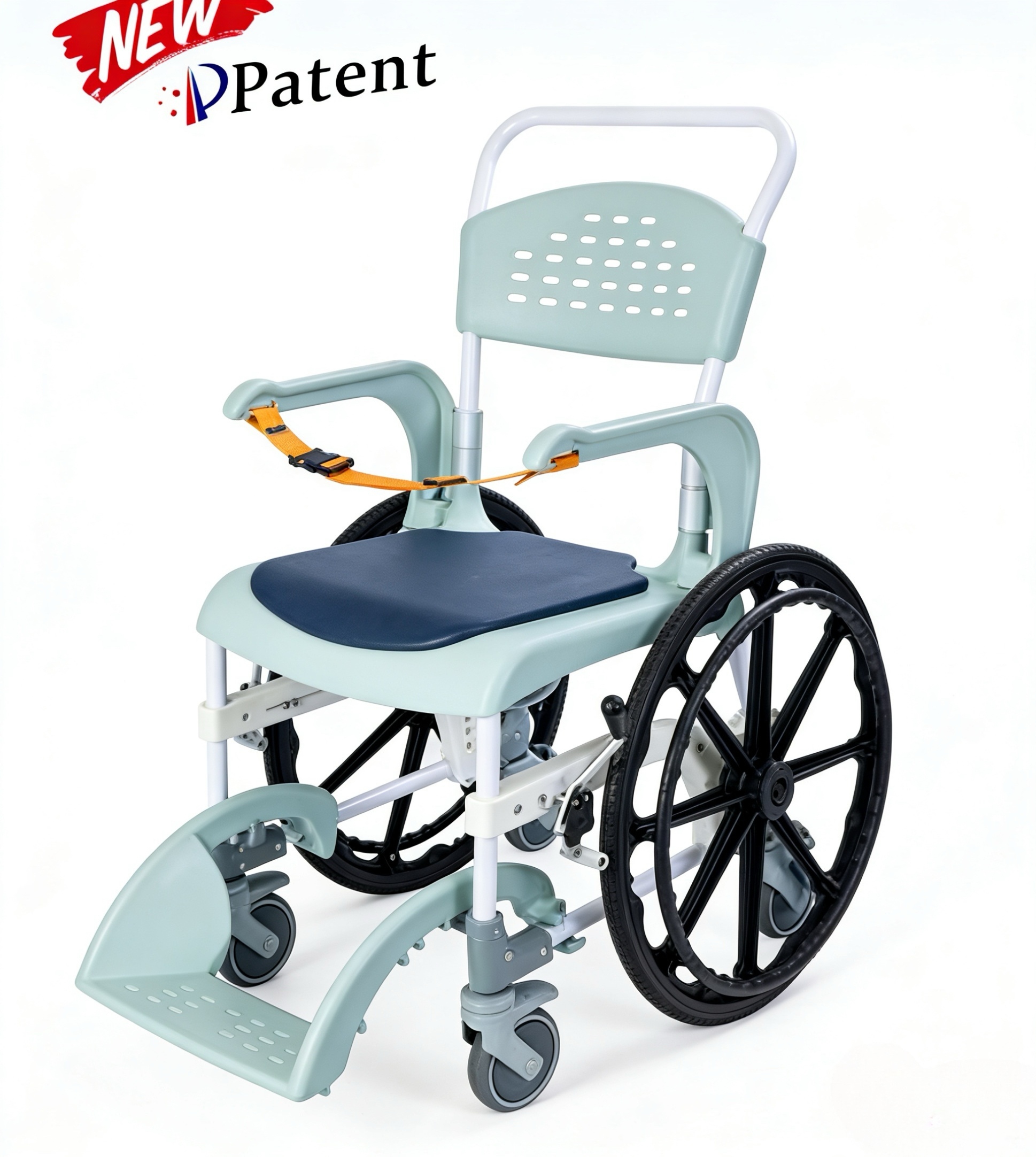
A chair stamped with a 300 lb weight capacity might sound reassuring, but that number rarely tells you how the product was tested. Some brands use static loads applied for a few minutes, while others run cyclic fatigue tests that mimic years of sitting, leaning, and shifting. Without knowing the protocol, a higher rating can simply mean the manufacturer chose a less demanding test, not that the frame is stronger.
Frame warranty claims are another place where the fine print quietly shifts the risk back to you. "Lifetime warranty" often covers only defects in materials or workmanship—like a cracked weld that appears under normal use—but excludes damage from exceeding the weight limit, even briefly, or from using the product on uneven floors. Some warranties also require you to pay shipping for replacement parts, which can make a claim feel less like protection and more like a hurdle.
A more useful comparison is to look at the overlap between the weight rating and the warranty's exclusions. If a company is confident enough to back a 400 lb capacity with a clearly stated structural warranty that includes fasteners and joints, that says more than a vague lifetime promise. Real-world reviews from users near the upper weight range can also reveal whether the frame creaks, sags, or holds its shape after a year of daily use.
Why Chair Weight and Foldability Directly Affect Caregiver Injury Rates
When a chair weighs more than it needs to, every lift becomes a calculated risk. Caregivers often move chairs multiple times a day—pulling them out for meals, pushing them back against the wall, loading them into vehicles—and the cumulative strain lands directly on the lower back and shoulders. A chair that tips past twenty pounds turns a simple repositioning into a two-person task, and in real-world settings, that second person isn't always available. The result is a quiet pattern of overexertion injuries that rarely trace back to a single incident but build steadily over weeks and months.
Foldability matters just as much, though it's easy to overlook. A chair that folds flat or compacts into a narrow profile eliminates the need to twist, reach, or contort around bulk when clearing a hallway or loading a trunk. Non-folding designs force caregivers to lift with the chair extended, which multiplies torque on the spine and increases the chance of a sudden pivot gone wrong. Even small improvements in fold mechanics—smooth joints, locking latches, balanced weight distribution—change how a caregiver approaches the task, reducing the instinct to muscle through a bad angle.
Injury rates don't rise because caregivers are careless; they rise because the equipment quietly demands more than the body can safely repeat. Lightweight materials and reliable folding mechanisms shift that demand downward, leaving more physical reserve for the actual work of caregiving. When facilities and families choose chairs with these two factors in mind, they're not just buying convenience—they're removing a predictable source of strain from a job that already asks too much.
Questions to Ask About Casters, Brakes, and Floor Surface Compatibility
Most caster selection mistakes start with a simple mismatch between the wheel material and the floor it rolls on. Instead of assuming all concrete or all tile behaves the same, ask what the actual surface is made of, whether it's sealed or coated, and how even the joints or expansion gaps are. A hard phenolic wheel might roll beautifully on smooth sealed concrete but chatter and leave marks on unsealed porous floors. Softer polyurethane treads often handle debris and minor cracks better, but they can pick up grit and grind it into softer wood or vinyl. If you're not sure, run a weighted test across the floor with the exact wheel you plan to use.
Brakes and locks need their own set of questions before you commit. Total-lock casters stop both wheel rotation and swivel action, which sounds great until an operator needs to reposition the cart slightly and starts fighting the locked swivel. Ask whether the brake has to hold a cart on a slope, how often it will be engaged, and whether it will be activated by foot, hand, or a central lever. Also check clearance around the caster when the brake is on, because side-mounted pedal brakes can become a tripping hazard or get bent in tight aisles. For wheel brakes on softer floors, confirm the brake shoe won't leave indentations after sitting overnight with a full load.
Floor compatibility goes beyond material hardness. Ask about moisture, grease, metal shavings, temperature swings, and chemical spills, because each changes how a wheel grips and wears. A wheel that works fine in a dry warehouse may slide on a wet epoxy floor, while a non-marking rubber tread can swell or degrade around cleaning solvents. If the cart will cross thresholds, elevator gaps, or floor mats, those transitions matter as much as the main walking surface. The cheapest way to avoid a bad fit is to ask for a sample set and push the fully loaded equipment over the actual route before placing a bulk order.
The Case for Evaluating Real-World Cleanability Before Committing to Bulk Orders
A spec sheet can tell you a surface resists staining, but it won't show you what happens after six months of muddy shoes and spilled coffee. Many materials that pass lab abrasion tests still develop a dull, grimy film in real conditions because standard cleaning crews don't use the exact chemicals or dwell times from the test protocol. If you place a bulk order based on those numbers, you inherit a maintenance burden that no amount of elbow grease can fully reverse.
The problems compound quickly. When a material doesn't clean easily in place, staff start using stronger detergents or more aggressive scrub pads, which accelerates wear and voids warranties. Customers or employees notice the dingy appearance long before management does, and the only fix becomes a costly replacement cycle that repeats the same mistake. A handful of sample panels placed in actual high-traffic zones for a few weeks costs almost nothing and reveals exactly how grime settles into the texture.
The narrow window before a bulk order is the only time you have real leverage. Once pallets arrive, you're locked into the product's cleanability profile—good or bad. A pilot test might delay procurement by a month, but it can prevent years of hidden labor costs and premature refurbishment. Betting a large order on an untested surface is a risk that rarely makes sense once you've seen how dirt behaves outside the showroom.
How Supplier Responsiveness During Product Recalls Protects Your Facility
When a recall hits, the last thing you need is a supplier who goes silent. Fast, clear communication from your supply chain partners can stop a minor issue from turning into a full shutdown. A responsive supplier shares contamination details, affected lot numbers, and replacement timelines before your team has to chase them down. That early warning gives you time to isolate suspect inventory, adjust production schedules, and keep your own customers informed without guesswork.
Quick action from suppliers also protects your facility from cross-contamination and prolonged downtime. If they can trace the problem batch and confirm which shipments are clean, you avoid throwing away good stock or halting lines unnecessarily. In practical terms, a supplier who answers calls and provides documentation within hours—not days—lets you maintain normal operations on unaffected products while containing the risk to a single corner of your plant.
Over time, this responsiveness becomes a form of insurance. You build a reputation for handling recalls without drama, which keeps regulators and clients confident. Facilities that work with proactive suppliers tend to face fewer audit findings and less scrutiny during inspections, simply because their recall records show controlled, transparent responses rather than firefighting. In the end, the supplier's speed is your front-line defense.
FAQ
Look for suppliers that offer reinforced frames, tool-free height adjustment, and replacement parts instead of treating the chair as disposable. A good supplier also provides clear weight capacity ratings and responsive support for fitting questions.
Check the frame material and joint construction. Welded aluminum or powder-coated steel tends to outlast plastic brackets. Ask about the weight rating, then test the chair with more than the patient's weight if possible. Also confirm the seat and bucket are made from easy-to-clean, crack-resistant materials.
Yes, some suppliers carry models with seamless or snap-out seats, smooth pail covers, and non-porous armrests. These reduce areas where bacteria can hide. Ask for documentation on cleanability and whether the surfaces tolerate hospital-grade disinfectants without dulling or degrading.
Look for adjustable seat height, swing-away footrests, wider seat widths, and optional drop arms for lateral transfers. A supplier that offers modular add-ons like padded seats, safety belts, or extended backrests gives you more flexibility as patient needs change.
It matters more than people expect. A reliable supplier should offer tracked shipping, clear assembly instructions, and a direct line for troubleshooting. Some will even pre-assemble the chair or provide a short video walkthrough. If a part arrives damaged, the supplier should send a replacement quickly without requiring you to return the whole unit.
Renting can work if the supplier sanitizes the chair between users and certifies that all locking mechanisms function properly. For home use longer than a few months, buying is usually cheaper and lets you choose exactly the right size and features. Ask about rent-to-own options if the recovery timeline is uncertain.
Avoid suppliers that don't list weight capacity, use stock photos without close-ups of the frame, or offer no return policy for defects. Vague answers about materials, missing safety certifications, and pressure to buy expensive add-ons are also warning signs. A trustworthy supplier will answer technical questions before purchase.
Some do, especially those that work with durable medical equipment providers. Ask if they can supply a detailed invoice with HCPCS codes, a prescription-friendly product description, and a letter of medical necessity template. Not all suppliers offer this, so confirm before ordering if you plan to seek reimbursement.
Conclusion
A big supplier catalog can hide a weak supply chain. For reliable patient care, lead times often outweigh variety: a distributor with forty chair models but six-week backorders forces wards to keep broken equipment in rotation. Ask for written lead-time commitments per SKU before trusting the inventory list. Then read the fine print on weight capacity and frame warranty. A sticker saying "500 lb capacity" is meaningless if the warranty excludes welds, armrest attachments, or any failure after 90 days. Request the full warranty document and load-test a sample chair with real body weights, not just static dummies. Chair weight and foldability matter just as much for staff safety. A heavy, non-folding commode might feel robust, but it turns every bathroom transfer into a lifting hazard. Folding chairs under 15 pounds that lock in both positions reduce caregiver strain and storage clutter.
Floor compatibility is where a chair either holds or rolls. Casters and brakes need to match your actual hallways, bathrooms, and door thresholds, not a showroom floor. Test them on tile, carpet, and damp surfaces, and check that brakes stay locked on a mild slope. Cleanability deserves the same real-world treatment. Crevices, exposed bolts, and padded seams trap urine and feces, making infection control harder than any datasheet admits. Run your facility's cleaning protocol on one trial chair for a week before committing to bulk orders. Finally, recall responsiveness reveals whether a supplier will stand behind their product after the invoice clears. A vendor that tracks serial numbers, ships replacement parts fast, and alerts you before a defect causes harm is worth far more than one with a flashy brochure. Check their recall history and ask exactly how they would notify your facility if a frame weld failed. These practical filters turn supplier selection from a catalog exercise into a patient and staff safety decision.
Contact Us
Contact Person: Frank Chan
Email: [email protected]
Tel/WhatsApp: 0086-13924529088
Website: https://www.suncare-medical.com