

Color Changing Stainless Cup Manufacturers in China: A Guide to Quality and Innovation
2026-07-08
Imagine a cup that changes color with your drink, blending science with everyday moments. China’s stainless cup manufacturers are leading this innovation, and among them, APEXAL stands out for combining quality craftsmanship with eye-catching designs. As demand surges for personalized drinkware, understanding what sets these makers apart is key for buyers and enthusiasts alike.
The Magic Behind Thermochromic Coatings
Thermochromic coatings shift their appearance in response to temperature fluctuations because of molecular-level transformations embedded within the material. These smart layers typically contain liquid crystals or leuco dyes microencapsulated into the paint or substrate. When heated or cooled, the molecular arrangement changes, altering how light is absorbed and reflected. It’s a subtle chemical dance that turns a static surface into a dynamic visual indicator of thermal conditions, all without any external power source.
The real ingenuity lies in the tuning of each formulation to trigger at specific temperatures, from freezing to near boiling. Designers can tailor the onset point and the speed of color transition by adjusting the chemistry of the dye or the mix of solvents, allowing for applications as varied as battery safety indicators or novelty drinkware. Some coatings even reverse from one color to another and back, while others pass through a neutral phase, offering a palette of possibilities that traditional pigments simply can’t match.
Beyond the visual spectacle, the durability and integration of these coatings demand a delicate balance between the active particles and the binder system. Encapsulation protects the chromic agents from environmental degradation and chemical interference, ensuring consistent performance over thousands of cycles. As manufacturers refine the microcapsule walls and the base formulation, thermochromic surfaces are becoming more robust, finding their way into architecture, automotive interiors, and smart packaging—where the coating itself becomes a seamless interface between temperature and perception.
Selecting the Right Stainless Steel for Vibrant Color Shifts
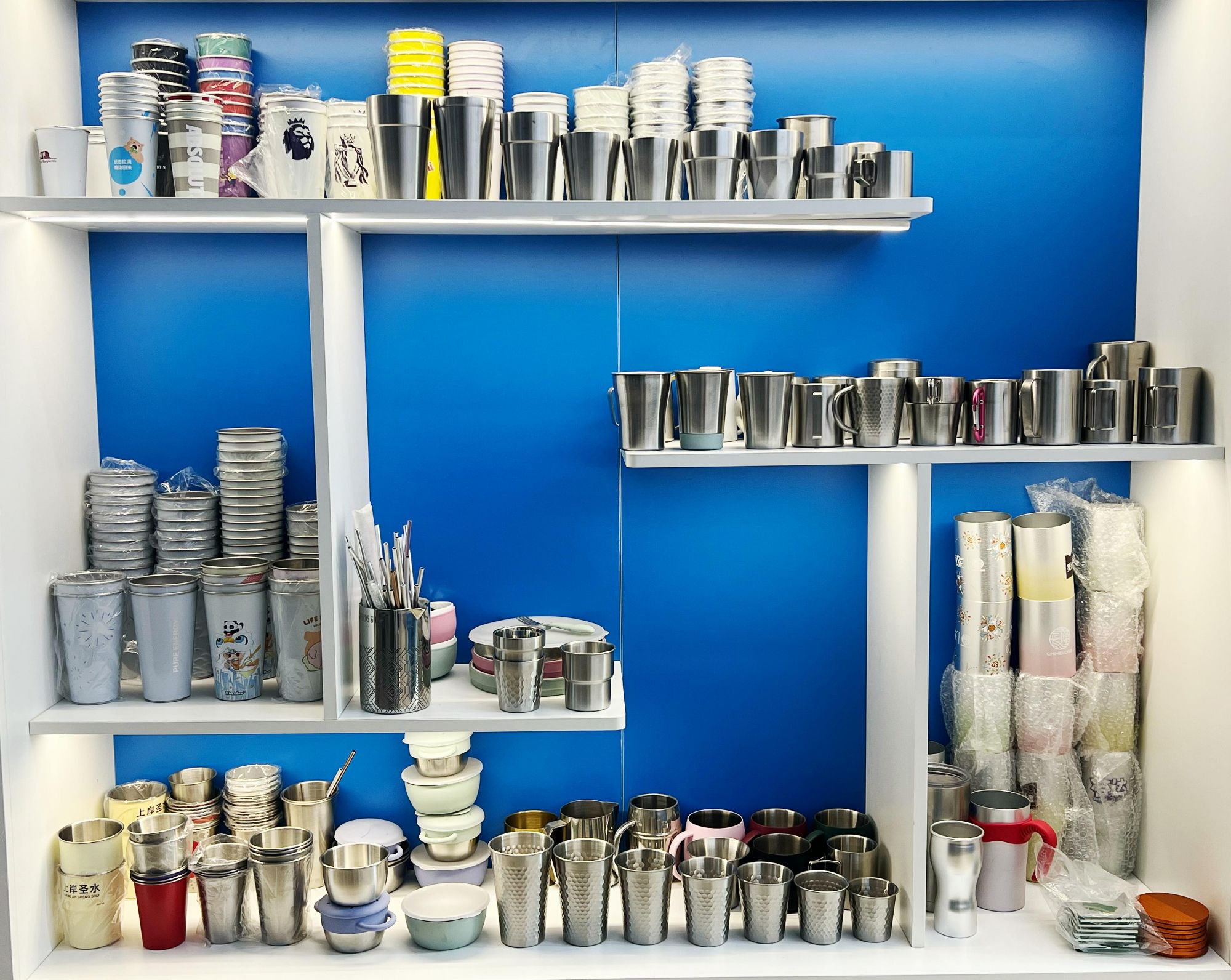
The key to achieving vivid color shifts on stainless steel lies in the alloy’s chromium and nickel content. Higher chromium levels, typically above 18%, encourage the formation of a thicker, more uniform passive oxide layer, which serves as the canvas for interference coloring. Nickel, when present in optimal amounts, enhances the metal’s ability to refract light at specific wavelengths, yielding richer blues and purples. However, too much nickel can dull the effect, making precise composition essential.
Surface preparation is equally critical. A mirror-polished finish, free of micro-scratches and contaminants, allows light to interact cleanly with the oxide layer, producing sharp, prismatic shifts. In contrast, brushed or matte surfaces scatter light, muting colors into pastel tones. For the most dynamic results, mechanical polishing followed by electropolishing is recommended, as it removes embedded impurities and evens out the surface at a microscopic level.
Finally, consider the intended environment. Stainless steels with molybdenum, like 316, resist saltwater corrosion better, preserving the color shift in marine settings. For indoor decorative pieces, 304 may suffice, but its lower resistance to acids can cause fading over time. Always match the steel grade to the expected exposure, and test a sample before committing to a large-scale project.
Quality Checks That Separate Top Manufacturers from the Rest
In manufacturing, the difference between a reliable product and one that fails prematurely often comes down to the rigor of quality checks throughout the production cycle. Top manufacturers don’t just inspect final goods—they embed quality control at every stage, from raw material intake to assembly and finishing. This means sampling alloy batches upon arrival, auditing supplier certifications, and running stress tests on early production units before full-scale runs ever begin. By catching inconsistencies early, they prevent flaws from compounding downstream, saving time and resources while ensuring every piece meets precise standards.
Beyond basic compliance, leading companies invest in cutting-edge testing methodologies that push products well past ordinary limits. They might simulate years of wear in a matter of hours using environmental chambers, or employ laser scanning to detect micron-level deviations invisible to the naked eye. These procedures aren’t just about passing industry regulations—they’re about understanding failure points and refining designs accordingly. When a manufacturer routinely cycles a component 50,000 times to verify its durability, or subjects it to corrosive salt sprays far beyond real-world exposure, they’re building a margin of safety that cheaper rivals simply ignore.
The real payoff of this meticulous approach is a reputation for dependability that transforms casual buyers into lifelong customers. When defects become rare and performance is consistent, word spreads naturally among engineers, contractors, and procurement teams who value reliability over short-term savings. These manufacturers also gather detailed quality data that feeds back into design improvements, creating a virtuous cycle of continuous refinement. In the end, what sets them apart isn’t just the tests they run today, but the institutional commitment to never resting on their laurels—a mindset that quietly elevates them above the competition.
Customization Options That Turn Cups into Brand Ambassadors
A well-placed logo is just the starting point. Today's customization options let you infuse personality into every curve of a cup, transforming a simple beverage holder into a storytelling piece that travels with your customer long after they leave your premises. From embossed textures that beg to be touched to full-wrap digital prints bursting with color, the right design choices make your cup impossible to ignore on a desk, in a car cup holder, or in the hands of someone walking down a busy street.
Think beyond the standard one-color imprint. Matte finishes paired with spot gloss accents create a striking visual contrast that feels premium, while subtle glow-in-the-dark elements add an element of surprise. Custom-shaped handles, color-changing coatings activated by heat, or even scented inks can spark conversation and turn a mundane item into a memorable experience. When people instinctively keep your cup for reuse because it looks too good to throw away, you've succeeded in making it an ambassador that works 24/7 without saying a word.
The goal is to align the cup's aesthetics with your brand's identity so seamlessly that customers become your advertisers by choice. A minimalist tech startup might opt for sleek, single-color line art with a soft-touch finish, while a lively coffee shop could embrace vibrant patterns that mirror its interior murals. By offering limited-edition designs or partnering with local artists, you create collectible cups that people chase, share on social media, and actively keep in circulation—amplifying your brand reach in a way that feels organic and genuine.
Innovations Shaping the Next Generation of Color-Changing Drinkware
The latest wave of color-changing drinkware goes far beyond simple temperature sensitivity. New materials respond to UV light, pH levels, or even the drink's carbonation, creating dynamic patterns that emerge as you sip. Imagine a glass that shifts from matte to shimmering finish when filled with a cold cocktail, revealing hidden floral motifs etched into the surface.
Manufacturers are embedding smart pigments that can be precisely tuned to activate at specific temperatures, allowing for customized visual cues. This technology is being paired with durable, food-safe coatings that won't degrade even after hundreds of dishwasher cycles. Some prototypes even integrate subtle LED accents that sync with the color shift, adding a futuristic glow for nightlife venues.
Sustainability is also driving innovation, with brands exploring biobased thermochromic compounds derived from algae and other renewable sources. These eco-friendly alternatives maintain vivid color transitions while reducing reliance on petroleum-based dyes. As the technology matures, we're likely to see drinkware that not only delights the eye but also provides functional indicators, like warning when a beverage is too hot to drink.
What to Look for When Partnering with a Chinese Manufacturer
A glossy sample and a well-rehearsed sales pitch can mask a messy reality. If you can't visit the factory in person, hire a local agent who can walk the floor unannounced. They should check not just the production line but also how raw materials are stored, whether safety protocols are actually followed, and if the workforce seems stable or perpetually in turnover. A quick scan of the canteen and dormitories often reveals more about management priorities than any presentation slide.
Language gaps are only the surface problem. Watch for hesitation every time you request a change or ask a technical question. The real snag is often a cultural reluctance to say no or flag an issue early, which means small misalignments balloon into costly batch errors. Find someone who can bridge that gap—not just a translator, but a person who understands both the production side and the way you think, and who isn't afraid to push back on your behalf.
Intellectual property leaks rarely happen through dramatic theft; they seep out through casual subcontracting, unauthorized extra shifts, or disgruntled employees leaving with USB drives. Your contract needs to spell out exactly what happens at each stage of the process, not just the headline penalties. Include a clear audit trail for every component batch and insist on using your own tamper‑evident packaging or serial numbers. And never skip the clause that defines who owns the molds—losing control of your tooling is like giving away the keys to your whole operation.
FAQ
China has a mature supply chain for stainless steel products, combined with advanced printing and coating technologies that are essential for color changing effects. Many factories have years of specialized experience and can produce at scale without compromising on design flexibility. They also offer competitive pricing because of lower labor and material costs, while constantly updating equipment to meet international standards.
The magic lies in a thermochromic coating applied to the cup’s exterior. When you pour in a hot or cold beverage, the temperature shift causes the coating’s molecular structure to change, revealing or hiding colors and designs. High-end versions use multiple color layers for more complex transitions, and the effect is reusable as long as the cup is treated with basic care.
First, verify their production credentials and past client lists. Ask for samples to evaluate color accuracy, transition temperature sensitivity, and coating durability. Communication is key—work with a supplier who responds clearly and promptly. Also look into their customization capabilities, lead times, and after-sales support. A factory visit (virtual or in-person) can give you deeper insight into their quality control.
Most factories offer full custom design—you can choose the base color, the color-changing pattern, and even specify the activation temperature. Some can embed logos or messages that appear only when the cup is hot or cold. The only constraints are your budget and minimum order quantity, which is often negotiable depending on the complexity.
Reputable manufacturers use food-grade 304 or 316 stainless steel for the inner walls and non-toxic, BPA-free coatings. Ask for certifications like FDA, LFGB, or EU food contact compliance. You can also request third-party lab test reports for heavy metal migration and overall safety. Responsible suppliers will have these documents ready and be transparent about their material sourcing.
The market is moving toward more durable UV-activated color changes, pastel and gradient fades, and full-wrap designs that cover the entire cup surface. Some innovators are experimenting with photochromic inks that react to sunlight, as well as glow-in-the-dark effects. Interactive patterns, like cups that reveal a hidden message when hot liquid is added, remain popular for promotional items.
Begin with a low minimum order quantity trial run—many Chinese manufacturers now accept smaller batches for first-time clients. Use a clear contract that specifies materials, coating durability expectations, and acceptable defect rates. Consider hiring a third-party inspection service before shipment. Also, ask for references from clients in your region to gauge their reliability and product consistency.
Conclusion
Color-changing stainless steel cups rely on thermochromic coatings that shift hues with temperature, a captivating effect born from precise material science. Top manufacturers in China pair these coatings with high-grade stainless steel, typically 304 or 316L, chosen for its reactivity and corrosion resistance to ensure vivid, uniform color transitions. The real differentiator lies in rigorous quality checks—adhesion tests, thermal cycling endurance, and food-safety certifications separate reliable producers from the rest. Without these protocols, coatings may peel or fade, undermining the product's magic.
Beyond function, customization transforms these cups into powerful brand tools: laser engraving, Pantone-matched color shifts, and bespoke shape designs let companies embed their identity. Innovations such as multi-stage color changes, UV-responsive layers, and eco-conscious materials are pushing the industry forward, offering fresher user experiences. When sourcing from Chinese partners, look beyond price—evaluate prototyping speed, in-house mold capabilities, and transparent supply chains. A manufacturer that invests in R&D and responds nimbly to design feedback will help you bring a standout product to market, rather than just another novelty item.
Contact Us
Contact Person: Milo
Email: [email protected]
Tel/WhatsApp: +86 18621923991
Website: https://www.dgbaide.com