

China FIP Injectable GS-441524: A Promising Treatment for Feline Infectious Peritonitis
2026-08-23
When feline infectious peritonitis (FIP) turns a routine vet visit into a race against time, the options can feel painfully limited—especially when the most talked-about antiviral sits out of reach. Injectable GS-441524 from China is changing that story, and Lucpets is helping cat owners understand why this treatment is gaining serious traction.
The Molecular Story Behind Injectable GS-441524
GS-441524 is a nucleoside analog whose structure hinges on a pyrrolotriazin core, modified to mimic adenosine but with a critical twist: a carbon-nitrogen bond replaces the usual glycosidic oxygen, making it resistant to the enzymes that would otherwise chop it apart. This subtle substitution lets the molecule slip into viral RNA synthesis, where it acts as a chain terminator. Unlike remdesivir, which carries a bulky phosphoramidate group to boost cell entry, GS-441524 is the stripped-down metabolite, relying on its own polarity and transport mechanisms to cross membranes—a simpler design that still manages to reach the intracellular compartments where coronaviruses replicate.
Once inside an infected cell, GS-441524 undergoes phosphorylation by host kinases, stepping through mono-, di-, and triphosphate forms. The active triphosphate competes with natural ATP for incorporation by the viral RNA-dependent RNA polymerase. Because the molecule lacks the 3'-hydroxyl group required for chain elongation, its insertion halts further nucleotide addition, effectively freezing the viral genome mid-copy. This isn't a gentle pause; the stalled complex triggers a delayed chain termination, allowing the drug to evade proofreading exonucleases that would normally remove mismatched analogs. This evasion is crucial, since coronaviruses possess robust proofreading machinery that renders many standard antivirals useless.
The injectable form of GS-441524 bypasses first-pass metabolism and delivers the compound directly into circulation, where its hydrophilic nature ensures rapid distribution to tissues with high viral burden, including the lungs and lymph nodes. Pharmacokinetic studies show a relatively short plasma half-life, necessitating frequent dosing to maintain inhibitory concentrations, but the payoff is a broad therapeutic window and minimal off-target effects on human polymerases. This molecular profile, built on a deceptively simple adenosine mimic, underscores why GS-441524 remains a cornerstone in experimental therapies for RNA viruses, even as newer prodrugs attempt to improve upon its fundamental scaffold.
What Chinese Cat Owners Are Witnessing with FIP Treatment
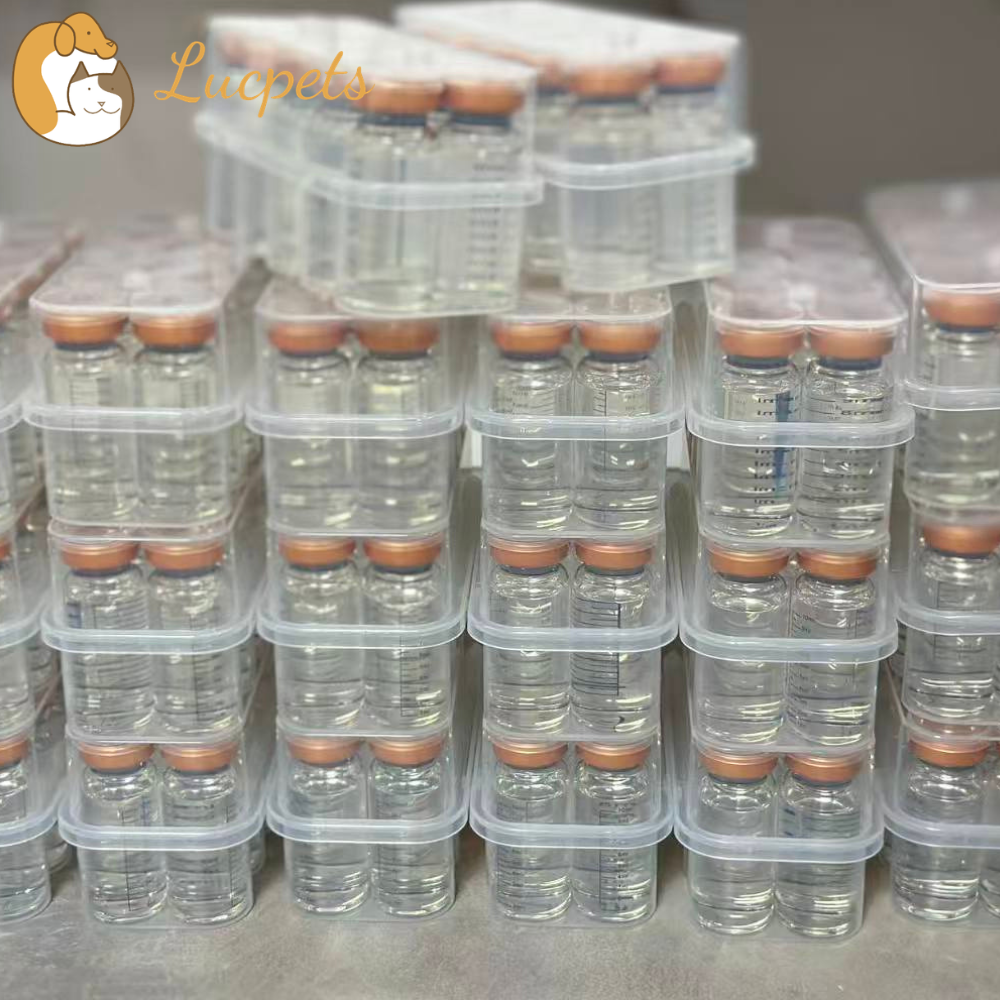
Across Chinese cities, from Shanghai's high-rise apartments to Chengdu's courtyard homes, cat owners are describing something that would have seemed impossible just a few years ago: cats with dry, wet, or neurological FIP walking away from the disease. The change didn't come from a licensed veterinary breakthrough but from a quiet network of owners, rescuers, and small clinics willing to use unregistered antiviral compounds. Many report that within days of starting injections, fever drops, appetite returns, and fluid in the belly visibly recedes. It's a grassroots phenomenon that has turned everyday cat lovers into amateur pharmacists, carefully calculating doses and sharing batch numbers in WeChat groups.
What owners are witnessing is not a single story but a patchwork of outcomes. Some cats bounce back dramatically, regaining weight and energy after a week of treatment. Others improve only to relapse when the drug is stopped too early, forcing owners into longer, costlier courses. A smaller number struggle with injection-site sores or liver strain, and a few deteriorate despite everything. The emotional arc swings from tearful relief when a cat starts eating again to quiet despair when savings run out halfway through an 84-day protocol. It's a strange middle ground where owners feel both empowered by firsthand success and abandoned by formal veterinary institutions that cannot legally guide them.
Perhaps the most striking thing is the shift in who holds authority. Chinese cat owners now trade clinical observations with the confidence of researchers, measuring effusion volume, tracking lymphocyte counts, and debating the merits of GS-441524 versus newer oral prodrugs. They are witnessing not just a treatment but a transformation in how pet medicine can move when official channels lag behind desperate need. And while questions about long-term safety and drug quality remain unanswered, the daily evidence is hard to ignore: cats that once lay limp in carriers now chase laser pointers again, and their humans are telling anyone who will listen.
Making Injectable GS-441524 Part of Daily Care
Making injectable GS-441524 part of daily care starts with anchoring the shot to a moment your cat already expects. Pair it with the morning meal, a favorite brushing session, or right after a nap. Set up your supplies in the same quiet corner each day, and handle the cat with slow, predictable movements. When the injection becomes a small part of an otherwise familiar routine, most cats stop fighting the process and simply tolerate it.
Comfort depends heavily on technique and preparation. Warm the vial in your palm for a minute or two before drawing the dose—cold liquid stings and turns a quick poke into a struggle. Rotate injection sites between the scruff and the loose skin over the flanks, and keep a mental or written note of which side you used last. If an area feels thickened or tender, skip it for a few days to let the tissue recover.
A simple log of each injection—time, site, volume, and any flinch or vocalization—helps you catch problems early. You might notice that a certain spot always triggers a reaction, or that the cat behaves better after a play session. That kind of detail matters more than a perfect routine. Share the notes with your vet if a lump forms or the skin looks angry, and adjust your approach as the treatment weeks unfold.
Dosing Patterns and Injection Comfort for Cats
Most cats settle into a dosing rhythm when the injection site is rotated predictably rather than randomly. Owners often find that pairing the injection with a daily routine—such as right after the evening meal or during a quiet lap session—reduces anticipatory struggling. The volume and temperature of the medication matter as much as timing; cold insulin or viscous suspensions sting more, so warming the vial briefly in your palm and using the smallest appropriate needle gauge can turn a tense moment into a barely noticed one.
Injection comfort also hinges on the restraint style. Scruffing triggers a defensive response in many adult cats, while a loose hold against a familiar blanket or a non-slip mat lets the cat stay grounded. Rotating between the loose skin along the flank and the scruff area—not just alternating left and right—prevents sore spots that make later injections harder. If the cat flinches before the needle touches skin, changing the location and the person’s posture often works better than increasing restraint.
Subtle signals like a tail flick before the poke or flattened ears after a dose can help refine the pattern. Some cats tolerate twice-daily injections better when the evening dose is given after play, while others do best with minimal handling and a treat immediately after. Keeping a simple log of injection site, volume, and cat’s reaction for a week usually reveals a pattern that no generic schedule would catch.
Side Effects and Vet Monitoring During GS-441524 Use
Most cats tolerate GS-441524 without dramatic reactions, but owners should stay alert for a handful of side effects that can surface during treatment. Mild injection-site discomfort, including temporary swelling or a firm lump under the skin, is common and typically fades within a day or two. Some cats develop sores or scabs if the drug leaks into surrounding tissue, so rotating injection spots and using proper technique matters more than many people realize. Digestive upset such as reduced appetite, occasional vomiting, or loose stools may appear early on and often resolves as the cat adjusts. More concerning signs like unusual lethargy, yellowing of the gums or skin, or sudden difficulty breathing call for an immediate call to the veterinarian, as these can point to liver stress, anemia, or fluid buildup in the chest.
Veterinary monitoring is not just a formality with GS-441524—it is the backbone of safe treatment. Bloodwork should be checked before starting the drug and repeated at regular intervals, usually every two to four weeks, to track kidney values, liver enzymes, and red blood cell counts. Some cats develop mild anemia or elevated liver readings that require dose adjustments or supportive care rather than stopping therapy altogether. Vets also keep an eye on body weight and hydration because even small changes can influence how well the drug is tolerated. For cats with wet FIP, repeat ultrasounds or chest taps may be needed to monitor fluid resolution, while neurological cases often need closer observation for worsening tremors or seizures. Owners should keep a simple daily log of appetite, energy, and any injection-site changes—this turns vague worries into concrete data the vet can act on quickly.
The goal of monitoring is not to scare owners but to catch problems early enough to fix them without interrupting the course. A cat that loses interest in food for a day or two may just need an anti-nausea medication or a temporary appetite stimulant, not a halt in treatment. Likewise, a slightly elevated liver enzyme can often be managed with a supplement like SAMe or milk thistle while continuing GS-441524. Communication with the vet should be honest and frequent: send photos of injection sites, report any change in breathing or behavior, and never assume a side effect is too minor to mention. When owners and veterinarians work as a team, most side effects remain manageable, and the cat stays on track for the full 84-day protocol with far less stress for everyone involved.
Injectable GS-441524 Next to Other FIP Remedies
Until recently, most FIP treatments leaned on immune modulators like polyprenyl immunostimulant or palliative steroids, none of which could reliably halt viral replication. Injectable GS-441524 changes that picture by acting as a direct nucleoside analogue, blocking the virus's RNA synthesis in infected macrophages. In field settings, owners often notice a temperature drop and return of appetite within 48 to 72 hours of starting daily subcutaneous injections, a response rarely seen with older supportive regimens.
Compared with GC376, an earlier protease inhibitor tested against FIP, injectable GS-441524 has shown more consistent remission rates across both effusive and non-effusive forms. GC376 sometimes requires more frequent dosing and shows weaker penetration into the central nervous system, whereas GS-441524 can clear neurologic signs in many cats when dosing is adjusted. The trade-off is local stinging and occasional sterile abscesses at injection sites, which pushes some caregivers toward compounded oral forms, but the injectable route still offers the most predictable absorption for critically ill cats.
When placed next to other remedies like feline interferon omega or polyprenyl immunostimulant, injectable GS-441524 stands out because it treats the cause rather than merely modulating the immune response. Those older options may still appear in less accessible regions or as adjuncts, but they rarely produce the durable, virus-negative outcomes documented with GS-441524. Cost and injection burden remain real drawbacks, yet for a disease once considered a death sentence, the injectable form remains the benchmark against which newer oral and intravenous candidates are measured.
FAQ
It's a nucleoside analog that interferes with viral RNA replication. FIP virus relies on RNA polymerase to copy its genetic material; when GS-441524 gets incorporated, it stops the copying process and the virus can't multiply. This lets the cat's immune system slowly clear the infection.
Injections deliver a steady amount of drug into the bloodstream and bypass the digestive tract, which is helpful when a cat is too sick to eat or keep pills down. Many owners find the injectable route especially useful in the early stages when the cat's condition is critical.
Field reports and clinical studies show high response rates, often above 80% in cats that complete a full 12-week course. Improvement can appear within days, though neurological and dry forms may take longer. Relapses happen but are less common when the treatment isn't stopped early.
Yes, many cat owners obtain compounded or generic versions from Chinese manufacturers because of lower costs and wider availability. However, quality can vary widely. It's crucial to ask for third-party purity and sterility testing, and to work closely with a veterinarian who can guide dosing and monitor the cat's response.
Cats usually receive daily subcutaneous injections for at least 12 weeks. The dose depends on whether the FIP is wet, dry, or involves the nervous system. Vets monitor weight, blood work, and clinical signs, adjusting the dose if progress stalls. After the injection period, an observation phase helps confirm the cat remains stable.
Injection-site reactions like sores, swelling, or discomfort are common because the solution is acidic. Some cats also experience transient lethargy, vomiting, or changes in blood values. Using proper injection technique, rotating sites, and providing pain relief can reduce these problems.
Before GS-441524, a diagnosis of FIP was almost always a death sentence. The drug has turned many cases into manageable or even curable conditions. Strong real-world evidence and ongoing research keep it promising, even while regulatory approval and legal access remain inconsistent.
Conclusion
Injectable GS-441524 has become a key option for FIP in China, offering hope where few treatments existed. The drug works at the molecular level by mimicking a nucleoside and disrupting viral RNA replication, which directly targets the coronavirus responsible for FIP. Chinese cat owners and veterinarians have reported noticeable improvements in cats with both wet and dry forms of the disease—fevers subside, appetite returns, and energy levels rise within days or weeks. However, the treatment is not a simple quick fix; it requires a consistent daily injection schedule, often for 12 weeks or longer, and owners need to learn proper technique to minimize injection-site pain. Many have found that using smaller gauge needles, rotating sites, and warming the solution slightly before administration makes the process more tolerable for cats.
While GS-441524 injections are widely regarded as the most reliable FIP therapy in China, side effects such as transient skin sores, mild lethargy, or elevated liver enzymes can occur, making regular vet check-ups essential. Blood tests are usually done every few weeks to monitor organ function and adjust dosing if needed. Compared to other remedies like the oral prodrug GS-441524 or supportive care alone, injectable GS-441524 has the advantage of consistent bioavailability and a longer track record in real-world use. Some cat owners still turn to unregulated sources because the drug is not officially approved for veterinary use in many regions, which adds a layer of risk. Nevertheless, the growing body of anecdotal evidence and small-scale studies from China suggests that injectable GS-441524 remains a promising cornerstone for managing FIP when used responsibly under veterinary guidance.
Contact Us
Contact Person: Aaron
Email: [email protected]
Tel/WhatsApp: +86 18177165140
Website: https://www.lucpetsglobal.com