

China Box-type Transformer Buying Guide and Key Considerations
2026-09-06
Sourcing a box-type transformer from China often starts with a simple inquiry but quickly turns into a maze of voltage ratings, cooling methods, and protection features. This guide cuts through the confusion with key considerations that matter in real installations—and a closer look at what Chang Song brings to the table when reliability can't be left to chance.
What Actually Changes When You Choose a Chinese Box-Type Transformer Supplier
The first shift you notice is in the rhythm of production. Instead of waiting on standard lead times from a distant factory floor, you are suddenly dealing with a network that can reconfigure enclosures, voltage taps, and cooling options in a matter of days. A box-type transformer is not a one-size-fits-all unit, and Chinese suppliers often treat the base design as a starting point rather than a fixed blueprint. That means your project's footprint constraints, ingress protection needs, or local grid quirks become part of the conversation earlier, not as an afterthought squeezed into a generic datasheet.
Cost structure changes in ways that go beyond the invoice price. The savings are not just from labor arbitrage; they come from how the supply chain is laid out around component sourcing, sheet metal fabrication, and internal testing. Because many of these suppliers operate in industrial clusters where core materials and switchgear components are produced within a short radius, you avoid the hidden freight markups that pile up when a transformer crosses multiple borders as raw parts. But you also inherit a different kind of trade-off: your procurement team needs to be more hands-on with technical documentation review, because specification language that works with a domestic supplier may need to be translated into clearer, measurable tolerances rather than assumed industry shorthand.
After-sales support becomes less about quarterly check-ins and more about direct problem-solving loops. Many Chinese box-type transformer makers maintain dedicated engineering groups for export markets, which means a wiring question or a replacement gasket request often goes straight to the person who actually signed off on the drawing, not a call-center script. The real change is in accountability: you are no longer buying from a distant brand name with a local distributor as a buffer, but working closely enough that your field feedback can influence the next batch of units before they even ship.
Voltage Tolerances and Load Patterns That Separate Reliable Units from the Rest
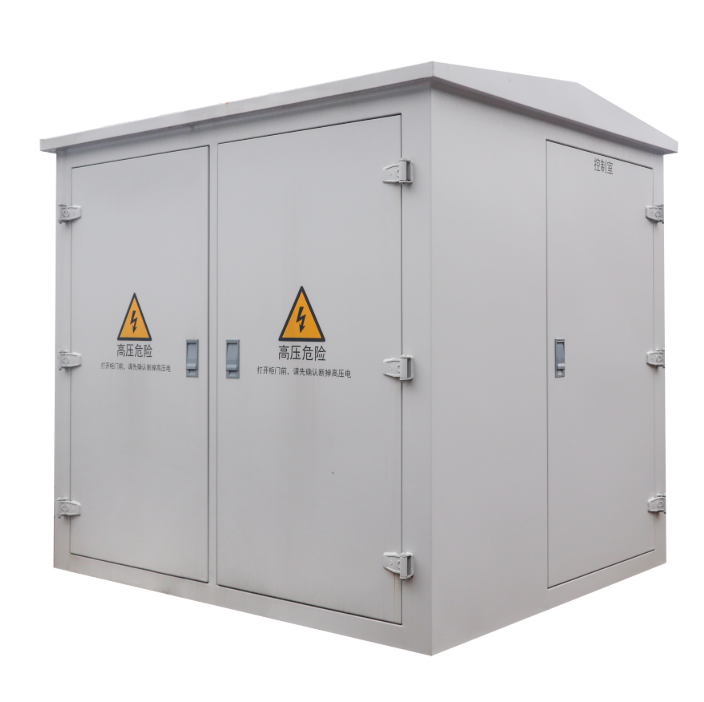
Reliable power units are not just defined by a narrow voltage window on a datasheet. In the field, they face sags, swells, and harmonic distortion from nearby equipment, and the way a unit handles these edges separates dependable hardware from the rest. A common tolerance of ±10% around nominal sounds good on paper, but real performance shows up at the extremes. Some supplies maintain stable output even at -15% input for several seconds, while others shut down or deliver ripple that corrupts sensitive loads. That gap between specified tolerance and actual behavior under stress is where many field failures begin.
Load patterns expose even deeper differences. Units that last are typically tested against step loads, motor starts, and cyclic surges that mirror actual usage, not just steady resistive loads. A reliable unit manages rapid current changes with minimal voltage dip and recovers within one or two cycles. If the output rings or takes tens of milliseconds to settle, downstream electronics feel it immediately. The best designs also account for unbalanced loads and non-linear loads such as LED drivers or small inverters, which generate current harmonics that cheaper units often fail to filter. That extra margin in load handling is what keeps a system stable when the unexpected happens.
Factory Audits, Test Certificates, and the Paper Trail You Should Demand
A factory audit is more than a box-ticking exercise—it's your first real look at whether a supplier can actually deliver what they promise. Ask for the full audit report, not just the summary page. Pay attention to sections covering production capacity, quality control processes, and labor conditions. If the report is older than six months or has unexplained gaps, treat it as a red flag rather than a formality.
Test certificates are only as useful as the lab that issued them. Demand certificates from accredited third-party laboratories, and verify the certificate number directly with the issuing body. A supplier who hesitates to share the raw test data or only offers an in-house “quality statement” is telling you something important about their confidence in the product. Keep a digital folder with every certificate, batch number, and date—this paper trail becomes your negotiating leverage if something goes wrong.
The real value of documentation shows up during a dispute. When a shipment arrives with defects, the supplier’s memory often gets foggy, but your paper trail doesn’t. Save emails, inspection photos, packing lists, and even WeChat messages. Strong buyers don’t just collect paperwork; they use it to push for replacements, refunds, or process changes. That stack of documents isn’t bureaucracy—it’s your insurance policy.
Customizing Enclosures, Cooling, and Protection Without Overpaying
Most off-the-shelf enclosures force you into standard sizes and hole patterns, but a local sheet metal shop can cut custom openings and powder coat a box for barely more than a catalog part once you factor in the time saved on rework. The trick is to skip exotic ingress ratings unless the environment genuinely demands them—an IP54 enclosure with a well-placed drain hole often outperforms an IP66 shell that traps condensation.
For cooling, don't start with the biggest fan you can find. Measure the actual heat dissipation from your components first. A small, variable-speed fan mounted to pull air across the hottest parts will usually beat a pair of roaring intake fans, and it keeps filter changes less frequent. In many cases, simply spacing heat-generating parts apart and adding a few vent slots removes the need for forced air entirely.
Protection is another area where money leaks. Instead of coating an entire board in conformal coating, mask the connectors and coat only the exposed traces and solder joints that might see moisture. For seals, pick a gasket material that matches your chemical exposure rather than defaulting to the most expensive silicone; a nitrile or EPDM gasket can often do the job at a third of the cost if you verify the compatibility chart.
Freight, Duties, and the Real Cost of After-Sales Service
When a machine breaks down three time zones away, the invoice for the replacement part is only the beginning. Freight charges for expedited air shipping can easily exceed the cost of the component itself, especially when the part is heavy, oddly shaped, or requires climate-controlled handling. Add import duties, brokerage fees, and local taxes, and a $200 sensor can land on your dock with a final bill closer to $600. These hidden costs multiply when the equipment is still under warranty but the fine print excludes freight, duties, or both—a common practice among manufacturers who advertise "comprehensive" coverage.
The real cost of after-sales service goes beyond the line items on a shipping manifest. Every day a critical asset sits idle waiting for parts translates into lost production, missed deadlines, and sometimes contractual penalties. A duty delay at customs—perhaps because the harmonized code was misclassified or the commercial invoice lacked a required statement—can stretch a two-day repair into a two-week ordeal. Smart buyers map out these logistics before signing a purchase order: they ask for incoterms that clarify who pays for what, pre-clear parts with a customs broker, and keep a small stock of high-failure items locally, even if it means carrying inventory.
Vendors who genuinely care about total cost of ownership will volunteer freight-inclusive service contracts, pre-pay duties on warranty replacements, or maintain regional parts hubs to cut down on cross-border shipments. Those who don't often hide behind vague terms like "customer responsible for all transportation and import charges," leaving the buyer to absorb shocks that never appear in the initial quote. Comparing after-sales promises without comparing freight and duty policies is like comparing car prices without asking if the tires are included.
Lessons from Buyers Who Learned the Hard Way on Site
Several buyers I've met skipped the in-person walkthrough because the listing photos looked flawless. One couple bought a ground-floor unit after seeing wide-angle shots, only to discover the bedroom window faced a delivery ramp that started rumbling at 5 a.m. They admitted they'd assumed the listing agent would have mentioned noise, but photos don't record sound.
Another common regret involves trusting the floor plan without measuring doorways and corners. A buyer fell for a loft with soaring ceilings and an open layout, then couldn't fit her existing sofa through the stairwell. The cost of renting a crane and replacing a window ate into the budget she'd set aside for renovations.
The hardest lessons usually come from what buyers didn't do: standing in the space at rush hour, knocking on a neighbor's door, or checking water pressure in the shower. Those small checks reveal more than any polished brochure or video tour, and they cost nothing except a little time before signing.
FAQ
Most Chinese manufacturers offer high-voltage sides rated at 6kV, 10kV, 11kV, 20kV, and 35kV, with low-voltage outputs of 0.4kV or 0.69kV. Don't assume a standard exists—verify the exact rating against your local grid frequency and voltage tolerance before placing an order.
Oil-immersed units handle higher overloads and run cooler in dusty outdoor environments, but they require containment pits and regular oil testing. Dry-type transformers are safer for indoor or fire-sensitive sites, though they are physically larger for the same kVA rating. Ask for temperature rise test reports rather than relying on nameplate data.
Common options include ONAN (oil natural air natural), ONAF (oil natural air forced), and KNAN for dry-type units. If your site regularly exceeds 40°C, request an ONAF design with oversized radiators and confirm the derating curve from the factory's type test. Avoid compact enclosures without ventilation gaps in hot climates.
IP23 is typical for ventilated outdoor enclosures, but IP54 or higher is needed if you have blowing sand, heavy rain, or salt spray. Check the material thickness—many cheap units use 1.5mm steel that corrodes within two years. For coastal areas, insist on 2mm galvanized steel or stainless steel hinges and locks, not painted carbon steel.
Many factories design to GB/T 17467 or GB 1094, which are broadly harmonized with IEC 60076, but some low-cost suppliers skip short-circuit impedance tests or use thinner insulation. Ask for a copy of the actual type test certificate, not just a compliance letter. If your project requires IEEE C57, confirm the factory has exported to North America before.
Look beyond the showroom. Inspect the winding machine calibration records, the drying oven temperature logs, and the oil filtration setup. Ask to see a transformer being impulse-tested. A serious supplier will have in-house testing for turns ratio, winding resistance, and partial discharge—not just a final hi-pot check. Shy away from factories that outsource all testing.
Standard units up to 2000kVA can ship in 30–45 days after drawing approval, but custom voltage taps or special enclosures add two to three weeks. Sea freight to Europe or North America takes 25–40 days, plus port clearance. Always factor in the weight—oil-filled units need special handling and may be subject to hazardous material fees if oil is shipped inside.
Yes, most mid-size factories accept custom orders for winding configuration (Dyn11, Yyn0), tap changers, cable entry positions, and even color-matched enclosures. Provide a single-line diagram and the exact short-circuit level at the point of connection. Avoid vague 'make it robust' instructions—specify core steel grade (e.g., 27ZH100) and conductor material (copper vs. aluminum) in the PO.
Conclusion
Choosing a Chinese box-type transformer supplier changes more than the invoice amount. You are really buying into a specific factory's interpretation of voltage tolerances, their winding discipline, and how honestly they document routine tests. Many units look similar on a spec sheet, but field behavior under unbalanced loads or frequent switching is where the separation happens. A dependable supplier will not just hand you a generic IEC certificate; they will walk you through impulse test reports, partial discharge readings, and the actual routine test data tied to your serial number. If they hesitate on that paper trail, treat it as the first red flag. Customizing enclosures, cooling, and protection is not about adding expensive options. The smarter approach is to ask what standard modifications are already proven in production. A well-designed IP54 enclosure with natural ventilation often beats a costly forced-air setup for most distribution sites. Pay for changes that reduce long-term maintenance, not for cosmetic upgrades.
Then comes the part buyers rarely price correctly: freight, duties, and after-sales support. A cheap transformer can arrive with damaged bushings, and if the supplier has no local service partner or clear warranty response time, the savings vanish quickly. Experienced buyers insist on a clear Incoterm, pre-shipment inspection photos, and a defined process for spare parts before the container leaves the port. Lessons from past projects show that most site failures trace back to unclear loading assumptions or ignored harmonic content, not a sudden manufacturing defect. Ask the supplier to confirm the transformer's behavior with your actual daily load profile, including any motor starts or UPS interaction. The difference between a reliable unit and a costly lesson is rarely the core steel; it is how the factory handles the details you cannot easily see from a distance.
Contact Us
Contact Person: Tonglun Chen
Email: [email protected]
Tel/WhatsApp: 8618906642555
Website: https://www.cncsele.com