
Baby Diaper Machine Manufacturing: Innovations and Solutions for Modern Producers
2026-03-02
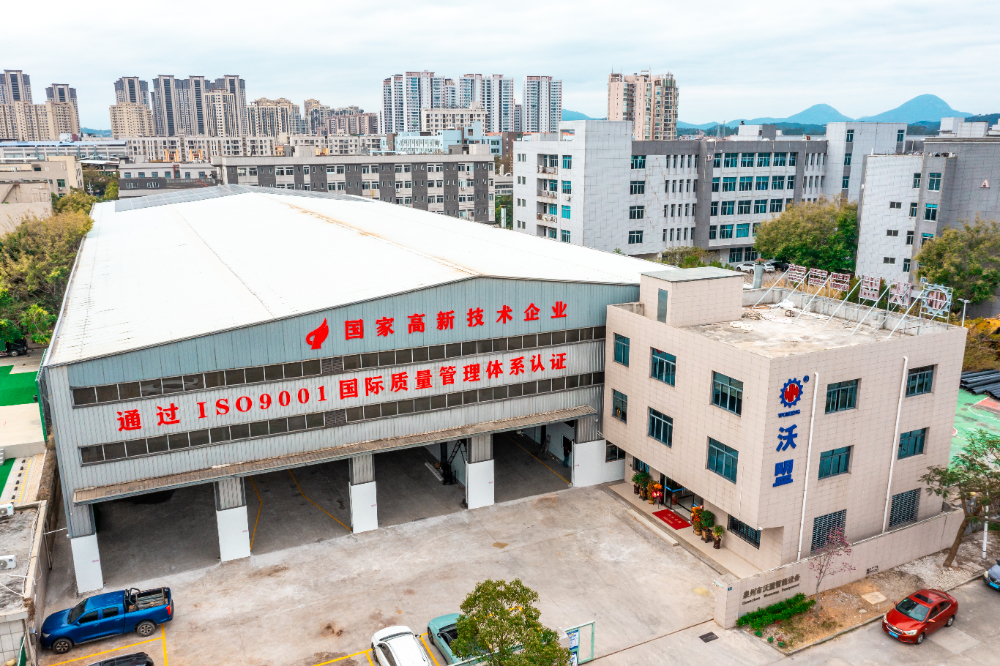
In the fast-evolving landscape of baby diaper production, manufacturers face a constant challenge: how to keep pace with innovation while ensuring quality and efficiency. At Womeng, we understand that modern producers need more than just machines—they need tailored solutions that adapt to changing consumer demands and environmental standards. This blog delves into the latest advancements in baby diaper machine manufacturing, exploring cutting-edge technologies and practical strategies that can transform your production line. Whether you're looking to enhance speed, reduce waste, or integrate smart systems, you'll discover insights that not only spark curiosity but also pave the way for a more sustainable and profitable future. Read on to uncover how Womeng is leading the charge in empowering producers with innovative tools and expertise.
Revolutionary Materials for Enhanced Diaper Comfort and Performance
The latest advancements in diaper technology have introduced groundbreaking materials that significantly boost both comfort and performance. For instance, ultra-thin, multi-layered cores with advanced absorbent polymers can lock away moisture more effectively, reducing bulk while maintaining dryness for longer periods. This innovation not only enhances the wearer's comfort by preventing rashes and irritation but also improves overall diaper performance by minimizing leaks and ensuring a snug fit.
Beyond absorption, breathable outer layers made from eco-friendly, sustainable fabrics are revolutionizing the diaper industry. These materials allow for better air circulation, keeping babies cooler and reducing the risk of skin issues like heat rash. By integrating such fabrics, manufacturers can deliver diapers that feel softer and more flexible, providing a noticeable upgrade in everyday comfort without compromising on durability.
Additionally, the use of innovative smart fabrics in diapers is setting new standards for performance. Some of these materials can adapt to temperature changes or signal moisture levels, offering parents real-time feedback for timely changes. This not only maximizes comfort by preventing prolonged exposure to wetness but also enhances the diaper's functionality, making it a reliable choice for active infants and toddlers throughout the day.
Smart Automation Systems for Streamlined Production Efficiency
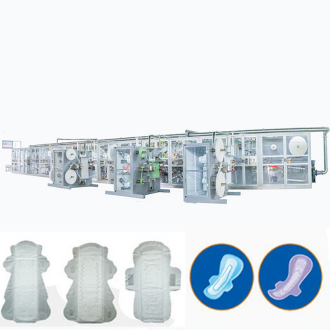
In today's fast-paced industrial landscape, smart automation systems are revolutionizing how we approach production efficiency, seamlessly integrating advanced technologies to optimize workflows and reduce bottlenecks. These systems leverage real-time data analytics and machine learning algorithms to predict maintenance needs and adjust processes dynamically, ensuring that every component of the production line operates at peak performance. By minimizing manual intervention, they not only cut down on human error but also free up skilled workers to focus on more strategic tasks, fostering a more innovative and responsive manufacturing environment.
One standout feature of these systems is their ability to adapt to changing demands without costly downtime. Through interconnected sensors and IoT devices, they provide continuous monitoring of equipment and output, enabling proactive adjustments that maintain consistency and quality. This agility allows companies to respond quickly to market shifts, from scaling up production for high-demand periods to fine-tuning processes for specialized products, giving them a competitive edge in industries where speed and precision are paramount.
Beyond mere automation, these systems enhance sustainability by optimizing resource use and reducing waste. By analyzing energy consumption patterns and material flows, they identify inefficiencies and suggest improvements that contribute to greener operations. This holistic approach not only boosts productivity but also aligns with growing consumer and regulatory pressures for eco-friendly practices, making smart automation a key driver for both economic and environmental success in modern manufacturing.
Advanced Sustainability Solutions in Diaper Manufacturing
Driving eco-innovation in diaper production, companies are shifting from traditional materials to plant-based alternatives, such as bamboo and cornstarch, which not only reduce plastic dependency but also enhance biodegradability, creating a product that's gentler on the planet while maintaining the high performance parents expect.
Beyond material swaps, emerging technologies like waterless manufacturing processes and closed-loop recycling systems are transforming factories, dramatically cutting water usage and waste, leading to a circular economy approach that re-purposes materials from post-consumer diapers into new products or energy sources.
Innovations in design, such as modular diapers with replaceable absorbent cores, extend product life and minimize landfill contribution, supported by smart supply chain practices that prioritize renewable energy and transparent sourcing, ensuring sustainability is integrated at every stage from cradle to cradle.
Customizable Designs Tailored to Diverse Market Demands
In today's fast-paced global markets, one-size-fits-all solutions rarely cut it anymore. That's where customizable designs come into play, allowing businesses to adapt their offerings to meet the unique needs of different customer segments. By embracing this approach, companies can seamlessly adjust elements like color schemes, functionality, or packaging to resonate with local tastes and cultural preferences, ensuring that their products or services feel personal and relevant rather than generic and out-of-place.
Beyond just aesthetics, tailoring designs to market demands involves deep customer insights and agile production processes. For instance, a tech firm might modify user interfaces for various regions based on language nuances and accessibility standards, while a fashion brand could offer modular accessories that consumers can mix and match. This flexibility not only enhances user satisfaction but also builds brand loyalty as customers feel heard and valued, turning casual buyers into dedicated advocates who appreciate the thoughtful customization.
Ultimately, leveraging customizable designs is a strategic move that drives innovation and competitive edge. It empowers businesses to pivot quickly in response to emerging trends or regional regulations, minimizing waste and maximizing impact. By investing in such adaptable frameworks, companies can future-proof their operations, foster creativity, and unlock new revenue streams in diverse markets—proving that thoughtful personalization isn't just a trend but a cornerstone of sustainable growth.
Integrated Quality Control and Real-Time Monitoring Technologies
At the heart of modern industrial operations, integrated quality control and real-time monitoring technologies are transforming how businesses maintain standards and respond to issues as they arise. Instead of relying on periodic checks and post-production analysis, these systems provide a continuous stream of data, enabling immediate adjustments that prevent defects before they escalate. By embedding sensors and IoT devices directly into production lines, manufacturers gain a holistic view of every stage, from raw materials to final assembly. This proactive approach not only reduces waste and rework but also enhances overall efficiency, making it a cornerstone for industries striving for zero-defect manufacturing.
What sets today's integrated solutions apart is their ability to blend advanced analytics with real-time data feeds, creating a dynamic feedback loop that adapts to changing conditions. For instance, machine learning algorithms can analyze patterns in sensor data to predict equipment failures or quality deviations, alerting operators before a problem occurs. This predictive capability is complemented by automated control systems that can fine-tune processes on-the-fly, such as adjusting temperatures or pressures to maintain optimal conditions. The result is a more resilient and responsive production environment where quality is not just measured but actively managed, fostering a culture of continuous improvement and reducing downtime.
Beyond manufacturing, these technologies are making waves in diverse fields like healthcare, where real-time monitoring of medical devices ensures patient safety, and infrastructure, where sensors track structural integrity in real time. Their versatility lies in customizable platforms that integrate with existing workflows, providing actionable insights without disrupting operations. By empowering teams with instant access to critical data, organizations can make informed decisions faster, driving innovation and staying ahead in competitive markets. In essence, integrated quality control and real-time monitoring are not just tools but strategic assets that redefine excellence in an increasingly data-driven world.
Innovative Packaging Solutions for Eco-Friendly and Cost-Effective Distribution
Exploring innovative packaging solutions that prioritize both environmental sustainability and cost-effectiveness is essential for modern distribution networks. These approaches often involve using biodegradable materials like mushroom-based foam or recycled cardboard, which reduce waste and lower material expenses compared to traditional plastics. By integrating smart design, such as lightweight structures and compact shapes, companies can minimize shipping costs while ensuring products remain protected during transit, creating a win-win scenario for businesses and the planet.
Advanced techniques like modular or reusable packaging systems are gaining traction, allowing items to be assembled or disassembled effortlessly for efficient storage and transport. This not only cuts down on packaging waste but also streamlines logistics, reducing overall distribution expenses. For instance, collapsible boxes or inflatable packaging can be easily stored and reused, offering a practical solution that aligns with eco-friendly goals without compromising on durability or functionality.
Technological integrations, such as IoT-enabled packaging that monitors conditions like temperature and humidity, further enhance cost-efficiency by preventing spoilage and reducing returns. These innovations support a circular economy by promoting recyclability and longer product lifespans, ultimately fostering a more sustainable distribution model that appeals to environmentally conscious consumers while keeping operational budgets in check.
FAQ
Manufacturers are now focusing on integrating IoT sensors for real-time quality monitoring, implementing AI-driven predictive maintenance to reduce downtime, and using advanced servo motors for precise control and energy efficiency.
Modern designs incorporate improved energy recovery systems, water recycling loops, and biodegradable material handling, allowing producers to significantly reduce both waste and operational costs.
Flexible modular designs enable rapid retooling for different diaper sizes and styles, while automated changeover systems and customizable software allow switching between product lines with minimal manual intervention.
Yes, several manufacturers now offer scalable entry-level models with gradual upgrade options, along with leasing programs and localized support services to lower initial investment barriers.
Reputable machines typically comply with international standards like CE, ISO 9001, and specific hygiene certifications such as FDA approval for materials, ensuring both product safety and regulatory compliance.
Fully enclosed production lines minimize human contact, while integrated vision inspection systems and automated defect removal consistently detect and address imperfections in real-time.
Key trends include circular economy integration for material reuse, smart connectivity for remote diagnostics, and the adoption of additive manufacturing for producing custom machine parts on-demand.
Advanced tension control systems and precision bonding technologies ensure delicate or novel materials are handled reliably, maintaining performance without compromising on comfort or absorbency.
Conclusion
The manufacturing landscape for baby diaper machines has undergone significant transformation, driven by innovations that address both production efficiency and end-user satisfaction. Modern producers are leveraging revolutionary materials that enhance diaper comfort and performance, ensuring superior moisture management and skin protection. Concurrently, smart automation systems streamline production efficiency, reducing downtime and optimizing throughput. These advancements are complemented by integrated quality control and real-time monitoring technologies, which allow for continuous oversight and immediate adjustments, guaranteeing consistency and reliability in every batch produced.
Beyond operational enhancements, the industry is embracing advanced sustainability solutions in diaper manufacturing, focusing on biodegradable materials and energy-efficient processes to minimize environmental impact. Customizable designs are tailored to diverse market demands, enabling producers to cater to varying regional preferences and demographic needs. Moreover, innovative packaging solutions facilitate eco-friendly and cost-effective distribution, reducing waste and lowering logistical expenses. These multifaceted innovations collectively empower modern diaper machine manufacturers to deliver high-quality, sustainable products that meet evolving consumer expectations and regulatory standards in a competitive global market.
Contact Us
Contact Person: Jessie Lai
Email: [email protected]
Tel/WhatsApp: 86-188594442931
Website: https://www.womengmachines.com