

Air Compressor Working Principle: How Does It Work?
2026-07-13
Ever wondered how a simple machine can turn air into a powerhouse for your tools and machinery? Air compressors are the unsung heroes behind countless industrial and DIY tasks, yet their working principle is surprisingly straightforward. At Seize Air, we believe understanding the basics can help you choose the perfect compressor for your needs. Let’s dive into the mechanics that transform atmospheric air into a compact energy source, ready to tackle any job.
The Heart of the Matter: Powering Up the Compressor
The compressor sits at the very center of any refrigeration or air conditioning system, pumping refrigerant through the circuit and enabling heat transfer. Its performance directly dictates how efficiently the entire setup runs. Whether it's a reciprocating, scroll, or screw type, the compressor must maintain consistent pressure differentials while handling varying load conditions. Ignoring this component can lead to energy waste, capacity loss, and premature system failure.
Powering up the compressor isn't just about flipping a switch—it involves a careful sequence that protects the motor windings and lubricated surfaces. During startup, electrical inrush currents can spike several times higher than normal operating levels. Soft starters and variable frequency drives help manage this surge, reducing mechanical stress and extending the lifespan of internal parts. Proper voltage supply, phase balance, and adequate cooling for the motor housing are all critical factors that keep the compressor running smoothly.
Regular attention to the compressor's power environment prevents hidden issues from escalating. Monitoring parameters like superheat, subcooling, and oil pressure reveals early signs of strain. Even subtle fluctuations in power quality—such as harmonics or voltage dips—can degrade insulation and cause intermittent trips. By treating the compressor as the heart of the system and nourishing it with clean, stable power, equipment owners can avoid capital expenses and keep the entire cooling process reliable for years to come.
Squeezing the Air: The Compression Cycle Unveiled
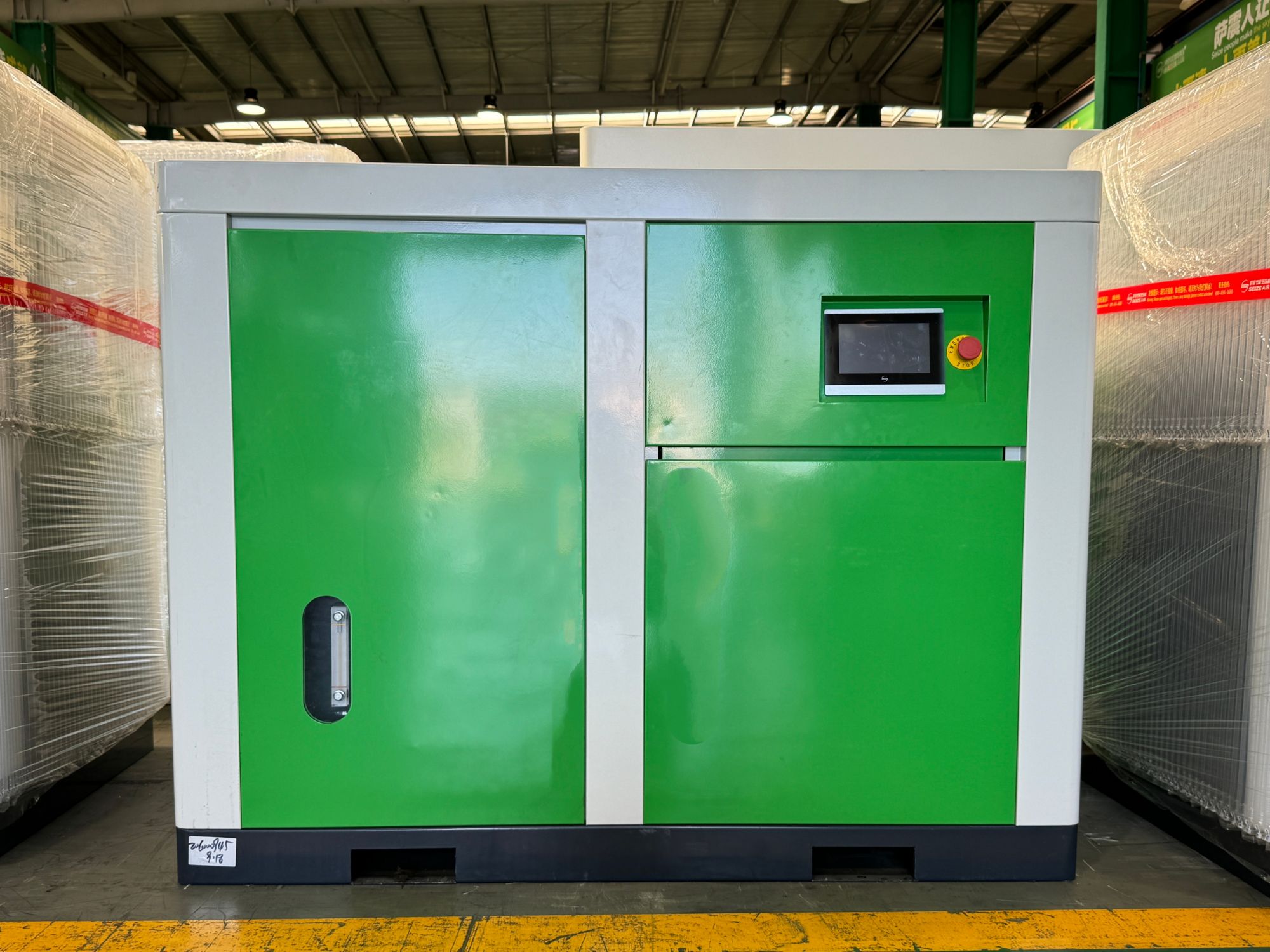
Inside the heart of the compressor, air is gripped and forced into a shrinking chamber where its molecules are driven ever closer together. The volume collapses, pressure spikes, and what was once atmospheric air becomes a tightly wound spring of potential energy. This transformation isn’t gentle—it’s violent, rapid, and exquisitely efficient when timed right.
The cycle then shifts: valves snap open and shut in a carefully choreographed sequence, expelling the compressed charge while simultaneously drawing in a fresh gulp of ambient air. There’s no pause, only a relentless rhythm of intake, compression, and discharge. Heat builds as a natural byproduct, radiating from cylinder walls and intercooler piping, a telltale sign that energy is being wrangled into a usable form.
What emerges is a dense, hot stream of air desperate to expand—a state perfect for feeding combustion or driving pneumatic tools. Engineers tune the compression ratio and port timing to balance power with longevity, wrestling with the inherent chaos of moving fluid under extreme conditions. In that dance of pistons, screws, or scrolls, the ordinary breath of the atmosphere is remade into industrial muscle.
From Pistons to Screws: Different Paths to Pressure
Hydraulic systems have long relied on piston pumps to deliver consistent, high-pressure flow—think heavy machinery rumbling through a workday. These pumps use reciprocating pistons inside cylinders, drawing fluid in and forcing it out with every stroke. They're rugged, efficient at high pressures, and dominate industries where brute force is non-negotiable. But they come with baggage: pulsation, noise, and a fair share of maintenance hours.
Then there’s the screw pump, a quieter contender that builds pressure through the intermeshing of precisely machined rotors. Instead of sharp pulses, you get a smooth, continuous stream—ideal for systems sensitive to vibration or where noise is a dealbreaker. Screw pumps thrive on steady, lower-pressure tasks, often in lubrication or fuel transfer, and they'll hum along for years with minimal fuss. It’s a classic trade-off: raw power versus refined consistency.
Choosing between these two paths isn’t about which is better, but which matches the temperament of your application. A mining excavator demands the gut-punch pressure of pistons, while a submarine’s hydraulic steering might lean on the screw pump’s steady hand. Sometimes hybrid setups blur the line, proving that the real engineering magic lies in knowing when to switch gears.
Cooling Down: Why Heat Management Matters
Heat is the silent killer of performance and longevity in everything from smartphones to industrial machinery. As components work harder, they generate thermal energy that, if left unchecked, can degrade materials, slow processing speeds, and even cause sudden failure. Effective heat management isn't just about preventing disaster—it’s about maintaining consistent output. Think of a laptop that starts lagging during a video render or an electric vehicle that throttles its charging speed on a hot day. These are everyday reminders that temperature control is woven into how reliably our technology performs.
The stakes climb even higher when you look at large-scale systems. Data centers, for instance, consume vast amounts of electricity, and up to 40% of that energy goes toward cooling alone. Without sophisticated thermal management, those facilities would be impossible to operate, and the digital services we rely on—cloud storage, streaming, real-time communication—would buckle under the strain. The same principle applies to renewable energy storage, where battery packs must stay within a narrow temperature window to remain safe and efficient. It’s a delicate balance: too much heat and you risk thermal runaway; too little and chemical reactions slow to a crawl.
Managing heat goes beyond just blowing air across a surface. Engineers now experiment with liquid cooling, phase-change materials, and even intelligent software that predicts thermal loads and adjusts performance preemptively. The goal isn’t just to dissipate heat but to move it away strategically, reusing it where possible—like warming a building with server exhaust. As our devices become more powerful and compact, the ability to direct thermal energy will define the next leap in innovation. At its core, cooling down is about preserving not only the hardware but the experience, ensuring that technology fades into the background and simply works.
Keeping It Clean: Filtration and Moisture Control
Every mechanical system that relies on fluid circulation\u2014whether hydraulic, lubrication, or fuel delivery\u2014shares a common vulnerability: contamination and moisture are constant threats that degrade performance and shorten component life. Effective filtration works to intercept the microscopic particles generated by normal wear, while moisture control strategies prevent the accumulation of water that can cause corrosion, cavitation, and fluid breakdown. Together, they form the core of a proactive maintenance philosophy that keeps equipment running as intended.
The behavior of moisture in oil is trickier than it seems. It doesn\u2019t always gather in visible puddles; more often it exists in dissolved form, silently accelerating oxidation and reducing the oil\u2019s ability to separate from air. That\u2019s why desiccant breathers and vacuum dehydration units have become integral in severe-duty applications\u2014they tackle the problem before it escalates. In parallel, modern filter elements with multi-layer media and high dirt-holding capacity are designed to remove particles down to a few microns, not just large debris. The result is a system where fluid life is extended significantly, and unplanned downtime becomes far less frequent.
It\u2019s easy to treat filtration and moisture control as afterthoughts, but the difference they make is most apparent in the long run. Operators who invest in properly sized breathers, regular fluid sampling, and condition-based filter changes are rewarded with lower total cost of ownership and fewer surprises. The goal isn\u2019t just to catch dirt and water\u2014it\u2019s to maintain a stable environment inside reservoirs and piping, where fluids can do their job without interference. When that stability is maintained, equipment reliability stops being a concern and starts becoming a given.
Smart Controls: How Modern Compressors Think
At the heart of a modern compressor lies a sophisticated network of sensors and microprocessors that constantly monitor operating conditions. These systems track variables like pressure, temperature, and load in real time, adjusting motor speed and valve positions to maintain optimal efficiency. Instead of simply cycling on and off like older models, smart compressors modulate output to precisely match demand, reducing energy waste and mechanical strain.
Beyond basic control, advanced algorithms learn from usage patterns and anticipate future needs. For instance, a compressor in a manufacturing plant might recognize the daily start-up schedule and preemptively reach standby pressure just before production begins. This adaptive intelligence not only ensures a seamless supply of compressed air but also warns operators of potential issues before they escalate, recommending preemptive maintenance. The machine essentially develops a feel for its own rhythms.
Connectivity plays a crucial role, integrating compressors into broader industrial ecosystems. Through wireless interfaces, these units report performance data to centralized management platforms, enabling facility managers to oversee multiple machines from a single dashboard. Some even adjust their behavior based on external factors like peak electricity pricing, shifting heavy tasks to off-peak hours. It’s a quiet revolution where the compressor isn’t just a tool but a collaborative partner in energy management.
FAQ
At its core, an air compressor pulls in ambient air, traps a fixed volume of it inside a chamber, and then physically reduces that chamber’s space. This action forces the air molecules closer together, raising the pressure. In a piston-type compressor, the piston moves down to draw air in through an intake valve, then moves up to compress it before pushing it out through a discharge valve. Rotary screw compressors use two interlocking screws that mesh together, progressively squeezing the air as it moves along the threads. The compressed air is then directed to a storage tank, ready for use.
Compression always generates heat because you’re expending energy to force gas molecules into a smaller volume, and that energy transfers to the air as thermal energy. Most compressors can reach temperatures over 100°C at the discharge. This heat is a natural byproduct but needs to be managed. If it gets excessive, it can degrade lubricants, damage seals, and reduce efficiency. That’s why cooling systems—either air-cooled (using fins and a fan) or water-cooled—are integrated into the design to dissipate the heat and keep the unit within safe operating temperatures.
Oil-lubricated compressors use oil to seal the compression chamber, cool the moving parts, and reduce friction. The oil mixes with the incoming air during compression, so the output air contains oil mist that must be filtered out later. Oil-free compressors, on the other hand, have specially coated cylinders, screws, or scrolls that don’t require oil for sealing. They rely on tight tolerances and non-stick materials like PTFE to function without metal-to-metal contact. The trade-off is that oil-free models often run hotter and may have a shorter lifespan in heavy-duty settings, but they deliver clean air ideal for sensitive applications like food processing or medical equipment.
The pressure switch is the brain that decides when the motor should turn on and off. It constantly monitors the pressure inside the storage tank. When the tank pressure drops to a preset lower limit—say, 90 PSI—because you’re using air tools, the switch closes the circuit and starts the motor. Once the pump refills the tank and hits the upper cutoff point, typically around 120 PSI, the switch breaks the circuit and shuts the motor down. This cycle prevents the tank from over-pressurizing and saves energy by not running the pump continuously. It also eliminates the need for manual intervention during normal operation.
Atmospheric air always holds water vapor. When that air gets compressed and then cools down in the tank and pipes, the vapor condenses into liquid water. This moisture can wreak havoc—rusting pipes, damaging pneumatic tools, and contaminating products. To combat this, most compressors have an aftercooler that lowers the air temperature right after compression, causing much of the water to drop out. Then, a mechanical separator or automatic drain valve removes the liquid from the tank. For drier air, you’ll see a refrigerated or desiccant dryer downstream. Refrigerated dryers chill the air to further condense moisture, while desiccant dryers use adsorbent materials to strip it out, often achieving dew points below freezing.
Yes, most compressors let you set the working pressure going to your tools, regardless of the tank’s higher internal pressure. This is done with a pressure regulator. The regulator uses an internal diaphragm and spring mechanism—turning the knob increases spring tension, counteracting the air pressure force on the diaphragm. When the downstream pressure reaches your set point, the diaphragm closes a valve, restricting flow from the tank. As you use air and downstream pressure dips, the spring forces the valve open again to let more air in. This simple feedback loop maintains a steady, adjustable output, so you can run a paint sprayer at 40 PSI and an impact wrench at 90 PSI from the same tank.
Conclusion
An air compressor works by drawing in ambient air and mechanically reducing its volume to increase pressure. At its core, a motor or engine provides the initial energy, driving a pump that performs the actual squeezing. In piston models, a crankshaft moves a piston inside a cylinder, compressing air on the upstroke and releasing it through a discharge valve. Rotary screw compressors use two interlocking rotors to trap and progressively compress air along the screw length, offering smoother, continuous flow. Regardless of design, this compression generates significant heat, which must be managed—often through intercoolers or aftercoolers—since excessive temperatures can damage components and reduce efficiency.
But raw compressed air isn’t ready for use: it carries moisture, oil droplets, and particulates. Dedicated filtration and drying stages remove these contaminants to protect downstream tools and processes. Modern units integrate smart controls that monitor pressure, temperature, and demand, automatically adjusting motor speed or unloading the compressor to save energy. Sensors and microprocessors enable features like predictive maintenance alerts and remote access. From the basic mechanic of squeezing air to the thoughtful orchestration of cooling, cleaning, and control, the working principle of an air compressor is a careful balance of physics and engineering, ensuring a reliable supply of clean, dry compressed air for countless industrial and commercial applications.
Contact Us
Contact Person: Mia
Email: [email protected]
Tel/WhatsApp: +86 19821985894
Website: https://www.seize-air.com